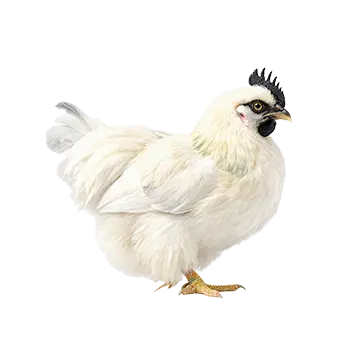

Television & Documentary Appearances

The Silkie Chicken has made numerous appearances on television over the past two decades, driven largely by the breed's instantly recognizable appearance and the broader cultural fascination with backyard poultry keeping. Lifestyle and homesteading programs have featured Silkies prominently, often introducing them as ideal starter chickens for families and urban dwellers. Shows focused on hobby farming, sustainable living, and rural lifestyle programming have highlighted the breed's docile temperament and manageable size, positioning the Silkie as the approachable face of the poultry world.

Nature and science documentaries have also turned their cameras toward the Silkie, typically in segments exploring unusual animal genetics or the diversity of domesticated breeds. The breed's fibromelanosis, which produces its characteristic dark skin, bones, and connective tissue, has been the subject of educational programming that uses the Silkie as a case study in how selective breeding and genetic mutation can produce strikingly different outcomes within a single species. These segments tend to emphasize the Silkie's ancient lineage and its connections to traditional Chinese medicine, providing viewers with a richer context than the breed's fluffy appearance alone might suggest.

Competitive poultry showing has occasionally found its way onto television as well, and the Silkie's popularity on the show circuit has made it a frequent subject in these broadcasts. Programs documenting agricultural fairs and poultry exhibitions often feature Silkie breeders preparing their birds for judging, discussing the fine points of feather quality, comb shape, and toe count that distinguish a champion specimen from an also-ran. These portrayals have helped demystify the world of poultry showing for general audiences and have reinforced the Silkie's status as a breed that commands serious attention from dedicated fanciers.

Cooking and food travel programs represent another significant avenue of Silkie television exposure, particularly on channels and streaming platforms focused on Asian cuisine. The preparation of Silkie chicken soup, with its distinctive dark meat and broth, has been featured in programs exploring regional Chinese cooking, Korean tonic foods, and Southeast Asian culinary traditions. These appearances introduce the Silkie to food-focused audiences who may be encountering the breed for the first time and who are often fascinated by the contrast between the bird's adorable living appearance and its role as a valued ingredient in restorative cooking.

Social Media & Internet Fame

No discussion of the Silkie Chicken's presence in modern media is complete without addressing its extraordinary popularity on social media platforms. The breed's fluffy, cloud-like plumage, round silhouette, and endearing facial expression make it exceptionally photogenic, and Silkies have become among the most shared and liked chicken images on Instagram, TikTok, Facebook, and other visual platforms. Individual Silkies have amassed followings in the tens of thousands, with dedicated accounts showcasing daily life, grooming routines, and the comedic interactions that arise from keeping such distinctive birds.

The rise of the backyard chicken keeping movement coincided with the growth of social media, creating a feedback loop that has amplified the Silkie's visibility enormously. Hashtags related to Silkies consistently rank among the most active in poultry-related social media spaces, and the breed is a perennial favorite in viral content cycles. Videos of Silkies being bathed, blow-dried, and groomed for shows regularly attract millions of views, as do clips of Silkie hens mothering chicks of other species, a visual that reliably generates warmth and engagement across platforms.

Meme culture has embraced the Silkie with particular enthusiasm. The breed's resemblance to a small, fluffy stuffed animal has inspired countless memes comparing Silkies to cotton balls, clouds, and various fictional creatures. This memetic circulation, while lighthearted, has had the tangible effect of introducing the breed to audiences who might never encounter poultry content otherwise. For many people, a viral Silkie meme or video represents their first awareness that such a breed exists, and the subsequent curiosity often leads to deeper engagement with poultry keeping communities.

The Silkie's social media presence has also created commercial opportunities. Breeders with strong online followings can command premium prices for hatching eggs and chicks, and Silkie-themed merchandise, including calendars, greeting cards, apparel, and art prints, has become a niche but viable market. The breed's visual appeal has made it a natural subject for pet photographers and artists, further expanding its cultural footprint in the digital age.

Literature & Children's Media

The Silkie Chicken has appeared in a variety of literary contexts, from agricultural reference works and breed guides to children's picture books and educational materials. In poultry literature, the breed commands substantial attention in virtually every comprehensive guide to chicken breeds published in the English language. Authors consistently highlight the Silkie's unusual physical characteristics, its ancient lineage, and its dual role as an ornamental bird and a valued ingredient in traditional medicine, ensuring that the breed occupies a prominent place in the written canon of poultry husbandry.

Children's literature has proven a particularly natural fit for the Silkie. The breed's soft, approachable appearance and gentle temperament make it an ideal subject for picture books and early readers aimed at young audiences. Several children's titles feature Silkie characters or use the breed as a vehicle for stories about acceptance, difference, and the beauty of being unique. The visual contrast between the Silkie and more conventional-looking chickens provides a ready-made narrative framework that authors and illustrators have used to explore themes of individuality and self-confidence in age-appropriate ways.

Educational materials for school-age children frequently include the Silkie as an example of genetic diversity within domesticated species. Science curricula that cover topics such as heredity, selective breeding, and animal adaptation often reference the Silkie's fibromelanosis, feather structure, and polydactyly as accessible, visually striking examples of how genes influence physical traits. The breed's ancient history provides additional pedagogical value, connecting biology lessons to geography, history, and cultural studies in a way that engages students across disciplines.

In adult literary fiction and nonfiction, the Silkie appears less frequently but is by no means absent. Memoirs and essays about rural life, homesteading, and the emotional bonds between humans and animals sometimes feature Silkies as characters or symbols. The breed's gentle disposition and distinctive appearance lend themselves to reflective, lyrical writing, and authors who keep Silkies often describe them with an affection and attentiveness that underscores the breed's capacity to inspire genuine attachment in ways that challenge conventional attitudes toward poultry.

Advertising, Branding & Visual Arts

The Silkie Chicken's striking visual profile has made it a recurring presence in advertising and branding, particularly for products and companies associated with natural living, organic food, artisanal craftsmanship, and small-scale agriculture. The breed's fluffy, approachable appearance communicates softness, warmth, and authenticity, qualities that marketers have leveraged in campaigns for everything from organic feed brands and farm-to-table restaurants to skincare lines and textile companies. The Silkie's visual shorthand for gentleness and natural beauty makes it a versatile branding asset.

In East Asian food marketing, the Silkie occupies a more specific commercial niche. Packaged Silkie chicken products, including whole frozen birds, pre-made soup bases, and herbal tonic kits, are marketed with imagery and language that emphasizes the breed's traditional medicinal value and its premium status relative to conventional poultry. Packaging often features the Silkie prominently, sometimes alongside illustrations of traditional herbs and health-related iconography, reinforcing the association between the breed and wellness that has persisted for centuries.

The visual arts have also engaged with the Silkie as a subject. Fine art photographers and painters have been drawn to the breed's unusual texture and form, producing work that ranges from realistic portraiture to more abstract or whimsical interpretations. The Silkie's plumage, which lacks the barbicels that give conventional feathers their flat, structured appearance, creates a visual effect that is inherently interesting to artists working with light, texture, and the boundaries between the familiar and the strange. Gallery exhibitions featuring poultry and farm animal art have included Silkie portraits alongside more conventional livestock subjects, and the breed's distinctive look ensures that it stands out in any such collection.

Craft and fiber arts communities have found inspiration in the Silkie as well. The breed's feathers, which resemble fur or down more than typical plumage, have inspired textile designers and fiber artists exploring the intersection of animal and fabric aesthetics. While Silkie feathers are not commercially harvested for textile use, the conceptual connection between the bird's plumage and the softness of luxury fibers has informed creative projects in knitting, weaving, and mixed-media art that reference or pay homage to the breed.

The Silkie in Asian Culinary Culture

While the Silkie Chicken's role in traditional Chinese medicine has deep historical roots, its presence in modern Asian culinary culture deserves attention as a distinct cultural phenomenon with significant media representation. Silkie-based dishes, particularly black chicken soup and herbal tonic preparations, are widely featured in Chinese, Korean, and Southeast Asian food media. Cooking shows, food blogs, and recipe platforms across Asia routinely publish Silkie recipes, and the breed's culinary applications have been the subject of dedicated episodes on prominent food programs in China, Taiwan, Hong Kong, South Korea, and Malaysia.

The visual impact of Silkie meat in food photography and videography is considerable. The dark purple-black color of the cooked flesh and broth provides a dramatic contrast to the more familiar appearance of conventional chicken dishes, making Silkie recipes inherently eye-catching in a media landscape where visual distinction drives engagement. Food photographers have capitalized on this quality, and images of elegantly presented Silkie soup in ceramic bowls, garnished with red goji berries and pale ginseng slices, have become iconic within Asian food media.

Culinary tourism has further elevated the Silkie's media profile. Travel and food journalists covering East Asian destinations frequently highlight Silkie dishes as signature local specialties worth seeking out. In cities such as Guangzhou, Shanghai, Taipei, and Seoul, restaurants specializing in medicinal chicken soup attract both locals and visitors, and these establishments have become regular features in travel guides, food documentaries, and online review platforms. The experience of eating Silkie for the first time has become a staple narrative in Western food writing about Asia, often framed as a moment of cultural discovery and gustatory surprise.

The global expansion of Asian food culture has brought the Silkie into culinary media beyond Asia as well. Western food writers, chefs, and content creators exploring Asian ingredients and techniques have increasingly included Silkie chicken in their coverage, introducing the breed to audiences accustomed to conventional poultry. This cross-cultural culinary media exposure has contributed to a growing awareness of the Silkie's edible dimensions among consumers who may have previously known it only as a fluffy backyard pet.

Community Events & Cultural Festivals

The Silkie Chicken holds a prominent place in the calendar of community events, agricultural fairs, and cultural festivals that sustain public engagement with heritage poultry breeds. At county and state fairs across the United States, Silkies are among the most exhibited and most visited breeds in the poultry barn, drawing attention from fairgoers who are often encountering them for the first time. The breed's approachable appearance and calm handling qualities make it a natural choice for educational displays, petting areas, and 4-H and FFA youth programs, where it serves as an accessible introduction to animal husbandry and responsible pet ownership.

Specialty poultry shows organized by breed clubs and national poultry organizations provide a more focused arena for Silkie exhibition. These events attract breeders from across the country and, in some cases, internationally, and competition at the top levels is rigorous. Judging criteria are exacting, and the preparation of a Silkie for show, which may involve careful bathing, blow-drying, and feather conditioning, is a skill in its own right. These shows generate coverage in breed-specific publications and online media, reinforcing the Silkie's status within the poultry fancy and providing a platform for breeders to showcase their breeding programs.

In East Asia, the Silkie's cultural significance is reflected in regional food festivals and agricultural celebrations that feature the breed as both a living attraction and a culinary ingredient. Markets and festivals in southern China and Taiwan often include live Silkie displays alongside vendors selling prepared Silkie dishes and medicinal products, creating a holistic cultural experience that connects the living bird to its traditional uses. Similar events in South Korea highlight the breed's role in samgyetang, the traditional ginseng chicken soup that is considered a restorative summer dish.

The backyard chicken keeping community has generated its own informal event culture around the Silkie. Coop tours, in which chicken keepers open their backyards to visitors, frequently feature Silkies as star attractions. Online communities organize virtual shows, photo contests, and breeding challenges that center on the Silkie and its various color varieties. These grassroots events, while lacking the formality of sanctioned poultry exhibitions, play an important role in sustaining enthusiasm for the breed and welcoming newcomers into the broader community of Silkie keepers and admirers.

Always consult a qualified professional before making any health-related decisions. This content is provided for informational reference only and should not replace professional guidance specific to your animal.