
Film & Television

The Senegal Parrot has not achieved the same level of on-screen celebrity as the scarlet macaw or the African Grey, but it has nonetheless appeared in a variety of film and television contexts. Its compact size and relatively calm demeanor make it a practical choice for productions that require a live parrot on set without the logistical challenges posed by larger, louder species. Animal trainers working in the entertainment industry have noted that Senegal Parrots can be trained to perform simple behaviors on cue, including stepping onto a hand, turning in place, and remaining still during scenes.

Documentary programming focused on African wildlife has occasionally featured the Senegal Parrot in segments covering the diverse birdlife of West African savannas and woodlands. These appearances tend to be brief and educational, showing the species in its natural habitat foraging in trees or flying between roosting sites. While not as visually dramatic as footage of large raptor species or flocks of flamingos, these segments contribute to public awareness of the parrot's existence and ecological role.

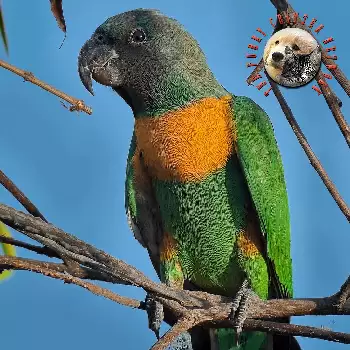
In fictional television, parrots of various species are sometimes used as set dressing or as character pets to signal eccentricity, warmth, or exoticism. The Senegal Parrot, with its vivid green, yellow, and grey coloring, photographs well and provides a pop of color in domestic scenes. Though specific on-screen credits for Senegal Parrots are not always publicly documented—trained animal actors are often listed generically—the species has been identified by aviculturists in background roles across a number of productions.

The rise of streaming platforms and nature-focused content channels has also expanded opportunities for the Senegal Parrot to appear in professionally produced media. Short-form nature documentaries, pet care series, and educational programs about companion animals increasingly feature Poicephalus species, giving the Senegal Parrot a growing presence in the media landscape.

Literature & Art

In ornithological literature, the Senegal Parrot has been depicted in field guides and natural history publications since the earliest European explorations of West Africa. Hand-colored plates from eighteenth- and nineteenth-century bird books captured the species' distinctive plumage with varying degrees of accuracy, and these illustrations remain sought-after by collectors of antique natural history art. The bird's compact proportions and clear color blocking make it a satisfying subject for illustrators, and modern field guides continue to feature detailed renderings of all three subspecies.

Contemporary avicultural literature has produced a modest but dedicated body of work focused on the Senegal Parrot. Care guides, breeding manuals, and behavioral studies written by experienced Poicephalus keepers provide detailed information about the species and often include personal anecdotes that humanize the bird and convey its personality. These publications circulate within the parrot-keeping community and serve as essential references for new and experienced owners alike.

In the broader world of animal art, the Senegal Parrot appears in paintings, digital illustrations, and craft projects shared through online art communities. Artists who specialize in bird portraiture find the species' color palette—the grey head contrasting with the green back and warm-toned belly—visually appealing and technically interesting to render. Commissions of pet Senegal Parrots are a steady niche market, with owners seeking personalized portraits of their companions.

Children's literature has also drawn on the appeal of parrots, though the Senegal Parrot is less commonly specified by name than more widely recognized species. When it does appear, it is typically presented as a friendly, clever character whose ability to learn words and tricks drives the narrative. These portrayals, while simplified, help introduce young readers to the idea of parrots as intelligent and engaging animals.

Internet & Social Media

The internet has been transformative for the Senegal Parrot's visibility. Social media platforms, video-sharing sites, and online forums have given Senegal Parrot owners a global stage to share their birds' personalities, and the species has developed a loyal and active online community. Dedicated hashtags on platforms like Instagram and TikTok aggregate thousands of posts featuring Senegal Parrots playing, eating, bathing, and interacting with their owners.

Video content has been especially effective in showcasing the Senegal Parrot's appeal. Short clips of Senegal Parrots performing tricks, mimicking sounds, or simply cuddling with their owners regularly accumulate substantial view counts. The species' expressive body language—pin-wheeling eyes, fanned tail feathers, and characteristic head-bobbing—translates well to video and gives viewers an immediate sense of the bird's personality. Some Senegal Parrot accounts have grown large enough to attract sponsorship deals with pet product companies.

Online forums and Facebook groups dedicated to Poicephalus parrots serve as important knowledge-sharing hubs. Members exchange advice on diet, behavioral issues, veterinary care, and enrichment strategies, creating a collective knowledge base that supplements published care guides. These communities also provide emotional support for owners dealing with challenging behaviors or health scares, fostering a sense of camaraderie among Senegal Parrot enthusiasts worldwide.

The species has also become a popular subject for memes and humorous content within the broader bird-keeping internet community. The Senegal Parrot's tendency to bond strongly with one person while being aloof or nippy with others is a frequently referenced theme, as is its reputation for being opinionated about food preferences. This lighthearted content helps normalize parrot ownership and introduces the species to audiences who might not otherwise encounter it.

Advertising & Branding

Parrots as a group have a long history in advertising, where they are used to evoke themes of color, exoticism, tropical environments, and verbal expressiveness. The Senegal Parrot, while not as frequently cast in major advertising campaigns as larger and more visually dramatic species, has appeared in marketing materials for pet supply companies, avian veterinary practices, and bird food brands. Its approachable size and attractive coloring make it a natural fit for promotional imagery aimed at companion bird owners.

Bird food and supplement manufacturers have used images of Senegal Parrots on packaging and in print advertisements to represent the mid-sized parrot market segment. Because the Senegal Parrot is one of the most commonly kept Poicephalus species, featuring it on product packaging signals to consumers that the product is appropriate for their bird. This targeted branding is especially common among companies that produce specialized diets for African parrot species.

Avicultural organizations, parrot clubs, and bird rescue groups frequently incorporate the Senegal Parrot into their visual identity. The species' distinctive silhouette and color pattern make it easily recognizable in logo designs, and its popularity within the pet bird community ensures that it resonates with the target audience. Regional bird clubs that focus on Poicephalus species often use the Senegal Parrot as their primary mascot or emblematic species.

In the broader pet industry, the Senegal Parrot occasionally appears in lifestyle advertising for products not directly related to birds, such as home furnishings or wellness brands seeking to convey a sense of vibrancy and companionship. These appearances are less common than those of dogs or cats but reflect a growing recognition that bird ownership is a significant segment of the pet market.

The Popularity Effect

Media exposure and online visibility have had measurable effects on the Senegal Parrot's popularity as a companion animal. As information about the species has become more widely available through social media and video content, interest from prospective owners has grown. Breeders report that inquiries often spike following the viral success of a particular Senegal Parrot video or social media post, demonstrating the direct link between media presence and consumer demand.

This increased demand carries both positive and negative consequences. On the positive side, greater awareness has led to improved husbandry standards as more owners seek out reliable information about diet, enrichment, and veterinary care. The wealth of online resources available to new Senegal Parrot owners means that birds acquired today are, on average, more likely to receive appropriate care than those purchased decades ago when information was harder to access.

However, popularity-driven demand can also lead to impulse purchases by owners who are not fully prepared for the commitment of caring for a parrot with a 25- to 30-year lifespan. Rescue organizations have noted that Senegal Parrots sometimes enter the rehoming pipeline when owners realize that the charming behaviors seen in short video clips come alongside challenges like hormonal aggression, feather-destructive behavior, and the need for daily social interaction. The gap between the curated online image and the full reality of parrot ownership remains a persistent issue.

Advocacy within the Senegal Parrot community has responded to this challenge by emphasizing education alongside entertainment. Many of the most popular Senegal Parrot social media accounts now deliberately include content about the difficulties of parrot ownership alongside the highlights, offering a more balanced portrait of life with these birds. This shift toward transparency reflects a maturing community that recognizes its responsibility to potential new owners and to the welfare of the birds themselves.

Always consult a qualified professional before making any health-related decisions. This content is provided for informational reference only and should not replace professional guidance specific to your animal.