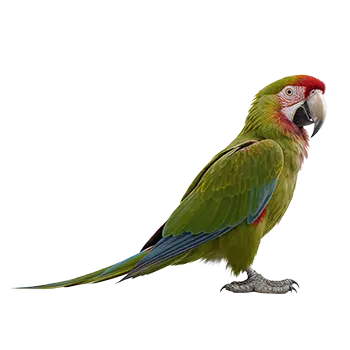

Traveling by air with a Red-Fronted Macaw requires careful planning and an understanding of airline-specific policies that vary considerably between carriers. Most major airlines that accept live animals offer two options for birds: cabin carry-on, where the bird travels in an approved carrier under the seat in front of the passenger, and cargo hold transport, where the bird is placed in a pressurized, climate-controlled section of the aircraft. The Red-Fronted Macaw's size, typically 21 to 24 inches in length including the tail, often exceeds the dimensions permitted for cabin carry-on by many airlines, which means cargo transport is frequently the only available option.
Carriers that do accept birds in the cabin generally impose strict size and weight limits for the travel container, and the combined dimensions of the carrier must fit within the under-seat space of the aircraft type being flown. Even when the macaw itself might fit, the tail length and the bird's need for a carrier that allows it to turn and perch comfortably can push the overall dimensions beyond what cabin policies allow. For this reason, keepers planning air travel with a Red-Fronted Macaw should contact the airline's live animal department well in advance to confirm whether cabin or cargo transport is available on their specific route and aircraft.
Cargo transport, while sometimes perceived as stressful, can be a safe and well-managed option when proper precautions are taken. Airlines that operate dedicated live animal programs maintain climate-controlled cargo areas and follow International Air Transport Association (IATA) Live Animals Regulations for the handling, loading, and monitoring of animal shipments. Keepers should request a booking on a direct flight whenever possible to minimize transit time and the risk of mishandling during layovers. Flights during extreme weather conditions, whether very hot or very cold, should be avoided, as temperature fluctuations in cargo areas during ground handling can pose risks to avian health.
Before booking any flight, owners must verify that the airline in question accepts psittacine birds and that the specific route does not pass through jurisdictions that restrict the transit of CITES-listed species. Some airlines have suspended or limited live animal transport programs in recent years, and policies can change with little notice. A direct conversation with the airline's live animal or special services team is always preferable to relying on information posted on websites, which may be outdated or incomplete. Confirmation in writing, including the booking reference and any special handling instructions, provides a valuable safeguard against misunderstandings on the day of travel.