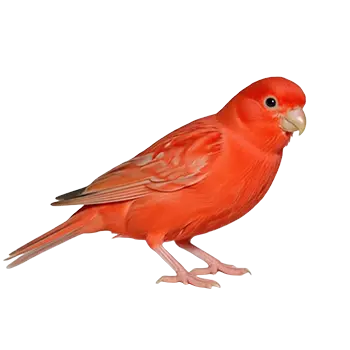

Preparing Your Canary for Travel

Preparation is the most important phase of any trip involving a Red Factor Canary, and it begins well before the bird is placed in a travel carrier. Canaries are small, metabolically active birds with limited energy reserves, and the stress of travel can deplete those reserves quickly if the bird is not in good physical condition at the outset. A pre-travel veterinary checkup is advisable for any journey of significant duration, particularly if the bird will be exposed to temperature changes, altitude shifts, or extended periods without access to its normal diet. The veterinarian can assess the bird's overall health, check for respiratory issues that could be exacerbated by travel stress, and advise on any supplements or medications that might be appropriate.

Conditioning the bird to its travel carrier in advance can significantly reduce stress during the actual journey. Placing the carrier in the bird's room several days before departure and allowing the canary to explore it voluntarily, with familiar food and water sources inside, helps the bird associate the carrier with safety rather than alarm. Some breeders who travel frequently to shows maintain dedicated travel cages that their birds occupy periodically throughout the year, ensuring that the experience of being in a smaller enclosure is routine rather than novel.

Diet management in the days leading up to travel requires thoughtful planning. Offering a slightly enriched diet with increased protein and fresh greens in the two to three days before departure can help build the bird's energy reserves without causing digestive upset. On the day of travel, a light feeding before departure is generally preferable to a heavy meal, as a full crop can cause discomfort during movement. Fresh water should be available at all times, though spill-proof water dispensers designed for travel cages are essential to prevent the bird from being soaked by sloshing water during transport.

For Red Factor Canaries specifically, travel during the molting period presents additional considerations. A bird that is actively growing new feathers is already under physiological stress, diverting significant metabolic resources to feather production. Travel during this period can disrupt the molt cycle, potentially resulting in stress bars, broken pin feathers, or uneven color deposition that will be visible in the finished plumage. Experienced breeders schedule travel around the molt whenever possible, reserving the active molting weeks as a period of minimal disturbance.

Choosing the Right Carrier

The travel carrier is the single most important piece of equipment for safely transporting a Red Factor Canary, and selecting the right one involves balancing security, ventilation, visibility, and practicality. Purpose-built bird travel carriers are widely available from avicultural supply companies and are strongly preferable to improvised containers such as cardboard boxes, which offer poor ventilation and no way to monitor the bird during transit. A good canary travel carrier is constructed from durable, non-toxic materials, provides adequate ventilation on multiple sides, and is sized to allow the bird to perch comfortably without being able to fly or flutter enough to injure itself against the walls.

For short-distance ground transport, such as trips to the veterinarian or a local bird show, small plastic carriers with wire ventilation panels are the standard choice among canary breeders. These carriers typically measure approximately eight to ten inches in length, six to eight inches in width, and six to eight inches in height, providing enough room for a single canary to perch on a fixed dowel without excessive space that would allow the bird to be thrown around during vehicle movement. The carrier should have a secure latch that cannot be opened accidentally and a removable bottom tray for easy cleaning.

For longer journeys or air transport, more robust carriers may be necessary to meet airline or shipping company requirements. The International Air Transport Association (IATA) publishes Live Animals Regulations that specify container construction standards for birds shipped as cargo, including requirements for ventilation area, structural integrity, perch placement, and food and water container attachment points. While these standards are aimed primarily at commercial shipments, breeders who ship birds to buyers or shows via air cargo must comply with them, and carriers that meet IATA specifications are available from specialty suppliers.

Multi-bird transport for show breeders who travel with several birds at once requires a different approach. Stackable show cages or modular transport units that hold multiple individual compartments within a single carrying frame allow breeders to move a string of birds efficiently while keeping each bird separated and secure. These systems are particularly popular among European show breeders, who may travel to regional and national exhibitions with dozens of birds and need equipment that can be loaded and unloaded quickly without exposing the birds to escape risk or environmental hazards.

Ground Transportation

Automobile travel is the most common mode of transport for Red Factor Canaries, whether the destination is a veterinary clinic, a show venue, or a new home. The primary concerns during car travel are temperature stability, vibration, noise, and the prevention of drafts. Canaries are sensitive to temperature extremes; prolonged exposure to temperatures below approximately 60 degrees Fahrenheit or above 85 degrees Fahrenheit can cause dangerous stress, and rapid temperature fluctuations are potentially more harmful than steady conditions at either end of the tolerable range. The carrier should be positioned inside the vehicle where temperature is most stable, typically on the floor of the rear seat or in a footwell, secured so that it cannot slide or tip during braking and turns.

Direct sunlight streaming through car windows can overheat a small carrier with alarming speed, even on days when the ambient air temperature seems mild. A lightweight cloth draped over the carrier to block direct sun while preserving ventilation is a simple and effective precaution. The cloth also serves to reduce visual stimulation, which can help keep the bird calm during the unfamiliar experience of travel. Air conditioning should be used judiciously, with vents directed away from the carrier to avoid subjecting the bird to cold drafts.

For journeys longer than two to three hours, periodic checks on the bird's condition are advisable. Pulling over in a safe location, turning off the engine to eliminate vibration, and briefly inspecting the bird allows the keeper to confirm that water is accessible, that the bird is perching normally, and that there are no signs of respiratory distress or overheating such as open-mouth breathing or wing drooping. Offering a small amount of fresh food during these stops can help maintain the bird's energy levels, particularly on full-day trips to distant show venues.

Shipping canaries via ground courier services is an option that some breeders use for domestic sales, though it carries inherent risks that must be carefully managed. Reputable bird shipping services use climate-controlled vehicles and experienced handlers, but the bird is nevertheless out of the owner's direct control for the duration of transit. Breeders who ship birds should use services with established track records in live animal transport, ensure that carriers are clearly labeled as containing live birds, and coordinate delivery timing so that the bird spends the minimum possible time in transit. Extreme weather conditions, both hot and cold, should prompt postponement of shipment until conditions moderate.

Air Travel with Canaries

Air travel with Red Factor Canaries is possible but involves considerably more planning, expense, and regulatory compliance than ground transport. Most commercial airlines do not permit birds in the passenger cabin, meaning that canaries must travel as checked baggage or as air cargo, both of which place the bird in the aircraft's cargo hold. While modern aircraft cargo holds are pressurized and temperature-controlled, conditions can vary, and the handling process at airports, which involves movement through outdoor areas, conveyor systems, and holding facilities, introduces exposure to temperature extremes, noise, and rough handling that can be stressful or dangerous for a small bird.

Airlines that accept live birds as cargo typically require compliance with IATA Live Animals Regulations, which specify container construction, labeling, and documentation requirements. The shipper must provide a health certificate issued by a licensed veterinarian within a specified number of days before travel, and some airlines require additional documentation such as proof of species identification and confirmation that the bird is not subject to trade restrictions. Booking a live animal shipment usually requires advance arrangement with the airline's cargo department, as capacity for live animals is limited and subject to seasonal embargoes during periods of extreme heat or cold.

The stress of air travel is a significant welfare concern for canaries. The combination of unfamiliar noise, pressure changes, vibration, and darkness in the cargo hold can cause acute stress responses including feather fluffing, loss of appetite, and temporary suppression of singing behavior. Some birds recover quickly upon arrival at their destination, while others may require several days of quiet, undisturbed rest in a familiar environment before returning to normal behavior. Breeders who ship birds by air regularly report that acclimating birds to their shipping containers well in advance of travel and providing high-energy food sources such as egg food or soaked seed in the carrier can mitigate the worst effects of transit stress.

For breeders transporting birds to international shows or shipping to overseas buyers, air cargo is often the only practical option. In these cases, working with a specialized live animal shipping agent can simplify the process considerably. These agents are familiar with airline requirements, customs documentation, veterinary certification procedures, and quarantine protocols at the destination, and they can handle logistics that would be difficult for an individual breeder to manage independently. The cost of professional shipping services is substantial but may be justified by the value of the birds being transported and the reduction in risk that professional handling provides.

Show Travel & Exhibition Logistics

For competitive Red Factor Canary breeders, travel to shows and exhibitions is a routine part of the hobby, and the logistics of show travel have been refined over generations of practice. The show season in most countries runs from late autumn through early spring, timed to follow the annual molt so that birds are displayed in fresh, fully colored plumage. Breeders may attend local, regional, national, and international shows over the course of a season, with travel distances ranging from a short drive to a cross-country or international journey requiring overnight accommodation.

Show preparation begins weeks before the event. Birds intended for exhibition are selected based on their conformity to the breed standard, color quality, feather condition, and overall vitality. In the days before the show, selected birds are moved into clean show cages that match the specifications required by the organizing body, as cage style and dimensions are standardized in competitive canary showing to ensure that all birds are presented uniformly. The birds are given time to settle into their show cages before transport, reducing the combined stress of a new enclosure and a journey.

Transport to the show venue requires equipment and techniques that protect both the birds and their carefully prepared plumage. Show cages are typically loaded into purpose-built carrying cases or racks that hold the cages securely and protect them from impacts, drafts, and sunlight during the drive. Temperature control in the vehicle is critical, as birds arriving at a show venue with ruffled or dampened feathers from exposure to cold or moisture will not present well on the bench. Many experienced show breeders invest in insulated transport boxes or even climate-controlled vehicle modifications to maintain optimal conditions during transit.

At the show venue, birds must adjust to a new environment that includes unfamiliar lighting, ambient noise from hundreds of other birds and spectators, and the proximity of birds from other breeders' collections. Arriving early enough to allow birds to settle before judging begins is a widely followed practice, as a calm, confident bird that sits well on the perch and displays its color to advantage will invariably score better than an agitated or fluffed-up specimen. After judging, birds remain on display for the duration of the show, which may last from a single day to a full weekend, before being packed up for the return journey. The return trip requires the same care as the outbound leg, with the added consideration that the bird has been under show stress for an extended period and may benefit from an especially quiet, warm ride home.

Emergency Planning & Contingencies

No matter how carefully a trip is planned, unexpected situations can arise that put a traveling Red Factor Canary at risk, and responsible keepers prepare for contingencies in advance. A travel emergency kit should accompany the bird on any journey of more than trivial distance. At minimum, this kit should include a spare water dispenser, a small supply of the bird's regular seed mix and any color-feeding supplement currently in use, a clean towel or cloth for covering the carrier in case of drafts or excessive light, a basic first-aid supply including styptic powder for minor bleeding, and the contact information of an avian veterinarian at or near the destination.

Vehicle breakdowns during summer or winter travel represent one of the most serious risks to a bird in transit. A canary in a small carrier inside a car that has lost heating in sub-freezing temperatures or air conditioning in extreme heat can reach life-threatening body temperatures within a surprisingly short time. If a breakdown occurs in extreme weather, the bird should be removed from the vehicle and taken to the nearest climate-controlled environment, whether that is a nearby business, a roadside assistance vehicle, or the cab of a tow truck. Keeping an emergency thermal blanket or a chemical hand warmer in the travel kit can provide temporary warmth for the carrier in cold-weather emergencies, though care must be taken to avoid overheating the confined space.

Flight cancellations and delays pose particular challenges for birds traveling as air cargo. If a shipment is delayed, the bird may spend extended time in an airport holding facility where conditions are less controlled than in the aircraft cargo hold. Shippers should inquire in advance about the airline's protocols for delayed live animal shipments, including whether the bird will be held in a climate-controlled area and whether airline staff will offer food and water during prolonged delays. Having a contingency plan that includes a local contact at the destination airport who can intervene if the shipment is delayed beyond acceptable limits is a prudent precaution for high-value birds.

Natural disasters, severe weather events, and other large-scale emergencies require broader planning that encompasses not just travel but the entire bird collection. Breeders in regions prone to hurricanes, wildfires, or severe winter storms should have evacuation plans that include their birds, with carriers, supplies, and documentation pre-staged for rapid departure. The Red Factor Canary's small size is an advantage in emergency situations, as a significant number of birds can be transported in a single vehicle with relatively compact equipment. Maintaining current health records and identification bands on all birds ensures that ownership can be verified and veterinary care obtained at evacuation destinations without delay.

Always consult a qualified professional before making any health-related decisions. This content is provided for informational reference only and should not replace professional guidance specific to your animal.