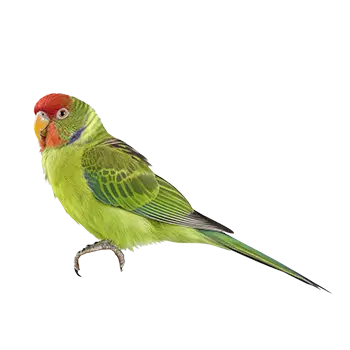

Kakariki occupy a unique legal position because they are both protected native wildlife in New Zealand and established avicultural species in many other countries. In New Zealand, all Cyanoramphus species are fully protected under the Wildlife Act of 1953, which makes it illegal to capture, kill, or possess wild kakariki without specific authorization from the Department of Conservation. This protection applies to all life stages, including eggs and chicks, and extends to all land within New Zealand's jurisdiction.
The level of protection varies among kakariki species based on their conservation status. The orange-fronted kakariki (Cyanoramphus malherbi), classified as critically endangered, receives the highest level of regulatory attention, with all management activities subject to strict oversight. The red-crowned and yellow-crowned species, while more numerous, remain fully protected and cannot be taken from the wild under any circumstances without government permits.
Outside New Zealand, the legal framework governing kakariki ownership depends on whether the species in question is listed under international conservation agreements and on local domestic laws. In most countries where kakariki are kept in aviculture, the birds available in the pet trade are captive-bred individuals whose lineage has been established outside New Zealand for generations. This distinction between wild-caught and captive-bred birds is central to the legal treatment of kakariki in international contexts.
Prospective owners should be aware that legal protections can change as conservation assessments are updated. A species that is currently permitted for private keeping in a given jurisdiction may become subject to new restrictions if its wild population declines or if international treaties are revised. Staying informed about current regulations is an essential part of responsible kakariki ownership.