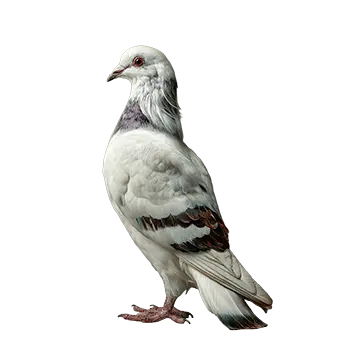

The Jacobin Pigeon, like all domestic pigeon breeds, is classified as Columba livia domestica, the domesticated form of the wild rock pigeon. This taxonomic classification is important from a legal standpoint because domestic pigeons generally occupy a different regulatory category from wild bird species. In most jurisdictions, domestic pigeons are not protected under the wildlife conservation statutes that govern native or migratory birds. Instead, they are treated as domesticated animals or livestock, subject to the regulations that apply to the keeping of animals in residential and agricultural settings.
In the United States, the Migratory Bird Treaty Act, which provides broad federal protection for native wild bird species, explicitly excludes the domestic pigeon from its coverage. This exclusion means that the keeping, breeding, and sale of Jacobin Pigeons does not require federal permits related to migratory bird protection. However, this federal-level exemption does not eliminate all regulatory considerations. State, county, and municipal laws may impose their own requirements on pigeon keeping, and these local regulations vary significantly from one jurisdiction to another.
In the European Union, domestic pigeons similarly fall outside the scope of the Birds Directive, the principal EU-level instrument for the protection of wild bird species. Member states regulate domestic pigeon keeping through national and local animal welfare laws, zoning ordinances, and agricultural regulations. The specifics differ considerably across the EU, with some countries imposing registration requirements for pigeon lofts and others treating domestic pigeons with minimal regulatory attention.
Prospective Jacobin keepers should be aware that the legal distinction between domestic and wild pigeons can sometimes be blurred in practice. Some local ordinances use broad language that may encompass all pigeons, wild and domestic alike, within their prohibitions or restrictions. In such cases, fanciers may need to seek clarification from local authorities or legal counsel to confirm that their keeping of domestic fancy pigeons is permitted under the applicable rules.