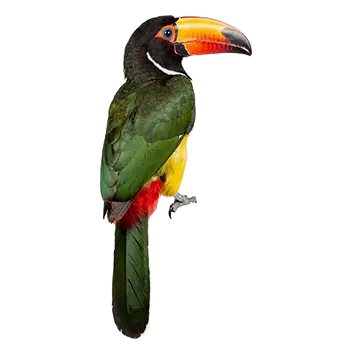

Planning & Preparation

Traveling with a Green Aracari requires considerably more preparation than transporting a dog or cat, and the process should begin well in advance of the intended travel date. The first step is to determine the legal requirements for transporting the bird to the destination. If the journey involves crossing state lines within the United States, some states require health certificates issued within a specific timeframe, and a few states mandate exotic animal permits for even temporary entry. International travel introduces a further layer of complexity, including CITES permits, import licenses from the destination country, and quarantine requirements that can last weeks or months.

A visit to an avian veterinarian is essential before any significant trip. The veterinarian can perform a health examination, issue the necessary health certificates, and advise on any vaccinations or tests required by the destination jurisdiction. For Green Aracaris, the veterinarian should also assess the bird's fitness for travel, particularly if the bird has any underlying health conditions or if the journey involves temperature extremes, altitude changes, or extended duration. Birds that are molting, breeding, or showing signs of illness should not be transported unless medically necessary.

Assembling a travel kit specific to the Green Aracari's needs is the next priority. This kit should include a sufficient supply of the bird's regular diet, particularly fresh fruits that can be prepared and offered during stops or layovers. Because toucans and aracaris do not crack seeds and rely on soft foods, the risk of dehydration and nutritional stress during travel is higher than for many parrot species. Water-rich fruits such as papaya and grapes serve double duty as both food and hydration, and a small supply of the bird's usual softbill pellet ensures that familiar nutrition is available even if fresh fruit runs short.

Timing the journey to minimize stress is another important consideration. Green Aracaris are most active during the early morning and late afternoon, and they tend to settle down as darkness falls. Scheduling travel during the bird's natural rest period, when possible, can reduce anxiety and make for a calmer journey. For car trips, early morning departures that allow the bird to doze through the first hours of travel are often the least stressful option.

Choosing & Preparing a Travel Carrier

The selection of an appropriate travel carrier is one of the most important decisions in preparing a Green Aracari for transport. The carrier must be large enough for the bird to turn around and shift position comfortably but not so large that the bird is thrown around during movement. For a species that measures roughly 12 to 16 inches in total length, including the tail, a carrier with interior dimensions of approximately 18 inches long, 12 inches wide, and 14 inches tall provides a reasonable balance between comfort and security.

The carrier should be constructed of sturdy, non-toxic materials and should have adequate ventilation on at least two sides. Hard-sided carriers designed for small animals or birds are generally preferable to soft-sided options for Green Aracaris, as the bird's bill, while not as powerful as a large parrot's, is capable of damaging mesh or fabric walls over time. The door or opening should be secure enough to prevent accidental escapes but operable quickly in case of emergency. A top-loading design can be particularly useful for toucans, as it allows the keeper to place and retrieve the bird without the risk of a startled escape through a front door.

Lining the carrier floor with an absorbent, non-slip material is essential. Paper towels or unprinted newsprint work well and can be changed during rest stops. Avoid loose substrates such as wood shavings or sand, which can be ingested and cause digestive problems. A low, stable perch secured near the bottom of the carrier gives the bird a natural resting surface, but it should be positioned low enough that the bird will not be jolted off during sudden stops or turbulence.

Before the day of travel, the Green Aracari should be given several opportunities to acclimate to the carrier in a low-stress setting. Placing the open carrier in the bird's familiar environment and allowing it to explore, enter, and exit voluntarily over a period of days or weeks can reduce the anxiety associated with confinement. Offering favorite treats inside the carrier reinforces positive associations and makes the bird less likely to panic when the door is closed on travel day.

Road Travel Considerations

Car travel is the most common mode of transport for Green Aracaris making short to moderate journeys, such as trips to the veterinarian, moves between residences, or visits to bird shows and expos. The primary concerns during road travel are temperature regulation, vibration and noise, and the prevention of escape. Green Aracaris are tropical birds with limited tolerance for temperature extremes, and the interior of a vehicle can heat up or cool down rapidly depending on weather conditions and climate control settings.

Maintaining a stable interior temperature between approximately 70 and 85 degrees Fahrenheit is ideal. In warm weather, the vehicle's air conditioning should be used to prevent overheating, but the vents should not blow directly on the carrier, as drafts can chill the bird. In cold weather, the vehicle should be preheated before the bird is loaded, and the carrier should be shielded from cold air currents during loading and unloading. Never leave a Green Aracari unattended in a parked vehicle, as temperatures inside a closed car can reach lethal levels within minutes, even on a mild day.

The carrier should be secured in the vehicle to prevent sliding and tipping during turns, stops, and acceleration. Placing the carrier on the floor behind the front seats or securing it on a seat with a seatbelt provides stability. The back seat is generally preferable to the trunk, which may lack adequate ventilation and temperature control. If the journey is long enough to require rest stops, the bird should be offered fresh fruit and water at each stop, and soiled carrier linings should be replaced to maintain hygiene.

Noise and vibration are unavoidable aspects of car travel, and while most Green Aracaris acclimate reasonably well, some individuals may show signs of stress such as rapid breathing, fluffed feathers, or attempts to escape the carrier. Covering the carrier partially with a lightweight cloth can reduce visual stimulation and help the bird settle. Playing soft background music at a low volume can mask sudden road noises that might startle the bird. If the bird shows persistent signs of extreme distress, pulling over to allow a period of calm before continuing is preferable to pressing on.

Air Travel & Airline Policies

Air travel with a Green Aracari is significantly more complex than road travel and requires careful research and advance planning. Most major airlines do not permit exotic birds in the passenger cabin, and those that allow birds at all typically restrict cabin travel to small psittacines such as budgerigars and cockatiels. Green Aracaris traveling by air will generally need to fly as checked baggage or as cargo, depending on the airline's policies and the availability of climate-controlled cargo holds.

When shipping a Green Aracari as cargo, the bird must be placed in an airline-approved carrier that meets the International Air Transport Association's Live Animals Regulations. These regulations specify minimum container dimensions, ventilation requirements, labeling, and the provision of food and water containers. The carrier must be clearly marked with orientation arrows, live animal stickers, and contact information for both the sender and the recipient. Airlines may impose additional requirements, including breed-specific restrictions, health certificate deadlines, and embargoes during periods of extreme heat or cold.

Temperature is the single greatest risk factor during air transport of a Green Aracari. As a tropical species, the Green Aracari is poorly equipped to handle the cold temperatures that can occur in aircraft cargo holds during flight, particularly at cruising altitude. Most airlines offer climate-controlled cargo options, but availability varies by route, aircraft type, and season. Owners should confirm that the specific flight and aircraft being used will provide a temperature-controlled environment and should avoid booking flights during extreme weather when ground delays could expose the bird to dangerous conditions on the tarmac.

The stress of air travel on a Green Aracari should not be underestimated. The noise, vibration, pressure changes, and unfamiliar handling associated with commercial aviation can be profoundly disorienting for a bird accustomed to the controlled environment of a home aviary. Whenever possible, direct flights should be chosen over routes with connections, as each transfer adds another episode of handling and environmental change. If air travel is unavoidable, consulting with an avian veterinarian about stress-reduction strategies, including the potential use of calming supplements or darkened carrier covers, is advisable.

Documentation & Border Crossings

Transporting a Green Aracari across state or national borders requires a package of documentation that must be assembled well before the travel date. Within the United States, most states that regulate exotic bird ownership require a Certificate of Veterinary Inspection, commonly known as a health certificate, issued by a licensed veterinarian within a specified number of days before travel. The exact timeframe varies by state, with most requiring the certificate to be dated within 10 to 30 days of entry. Some states also require specific disease tests or proof of origin from a licensed breeding facility.

International travel introduces the additional requirement of CITES documentation. Because the Green Aracari is listed under CITES Appendix II, any movement of the bird across national borders requires the appropriate CITES permits from both the exporting and importing countries. In the United States, CITES permit applications are processed by the U.S. Fish and Wildlife Service and can take several weeks or longer to approve. Applicants must provide documentation of the bird's captive-bred origin, identification details such as leg band numbers, and the purpose of the export or import.

Many countries impose their own import requirements that go beyond CITES. These may include quarantine periods, specific disease testing protocols, import permits issued by the destination country's agricultural or environmental ministry, and endorsement of health certificates by official government veterinarians. The European Union, Australia, and New Zealand are among the jurisdictions with particularly rigorous import procedures for live birds, and failure to comply with any element of the process can result in the bird being refused entry, placed in indefinite quarantine, or returned to the country of origin at the owner's expense.

Keeping a complete, organized file of all documentation associated with the bird is essential not only for travel but for the ongoing legal security of ownership. This file should include the original bill of sale, breeding records, leg band or microchip information, CITES certificates if applicable, health certificates from every veterinary visit, and any state or local permits. Having this documentation readily accessible during travel can prevent delays, resolve questions from authorities, and demonstrate compliance with the full chain of legal requirements governing the Green Aracari's status as a captive-bred exotic bird.

Post-Travel Care & Settling In

The period immediately following travel is critical for a Green Aracari's physical and psychological recovery. Even a short car trip to the veterinarian can leave a sensitive bird mildly stressed, and longer journeys by road or air can produce more significant effects that require attentive management. The first priority upon arrival at the destination is to place the bird in a quiet, warm, and secure environment where it can decompress without additional stimulation.

Offering familiar foods immediately after travel is important for both nutritional recovery and emotional reassurance. Fresh papaya, grapes, and blueberries, the staples of a well-managed aracari diet, should be available as soon as the bird is settled. Dehydration is a common concern after transport, particularly if the bird was too stressed to eat or drink during the journey, and water-rich fruits address this need effectively. A shallow dish of clean water should also be provided, though many Green Aracaris prefer to hydrate through fruit rather than by drinking directly.

Monitoring the bird's behavior and droppings in the hours and days after travel provides important information about its condition. A bird that resumes normal eating, preening, and vocalizing within a few hours has likely tolerated the journey well. Persistent lethargy, refusal to eat, abnormal droppings, or signs of respiratory distress should prompt a veterinary consultation, as travel stress can suppress the immune system and allow latent infections or health issues to emerge. An avian veterinarian familiar with softbill species can assess the bird and recommend appropriate supportive care.

If the travel involved relocating the Green Aracari to a new permanent home, the settling-in process will take longer and should be managed with patience. The bird's enclosure should be set up and furnished before arrival so that the transition from carrier to living space is as smooth as possible. Maintaining the same diet, enrichment items, and daily routine that the bird was accustomed to in its previous home helps to provide continuity and reduce the disorientation of a new environment. Most Green Aracaris will adapt to a new home within a few weeks, but some individuals may require a month or more to fully acclimate, particularly if the move involved significant changes in climate, household composition, or daily schedule.

Always consult a qualified professional before making any health-related decisions. This content is provided for informational reference only and should not replace professional guidance specific to your animal.