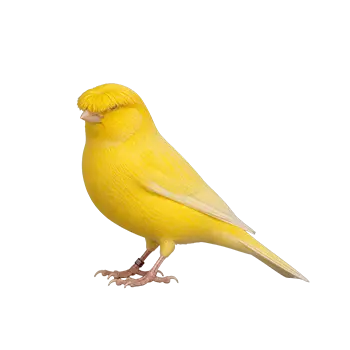

Successful transport of a Gloster Canary begins well before the actual journey. Because canaries are sensitive to environmental changes, sudden movements, and unfamiliar surroundings, advance preparation significantly reduces the stress a bird experiences during travel and lowers the risk of injury or illness. The first step is acclimating the bird to its travel carrier. Ideally, the carrier should be introduced days or even weeks before the trip, placed near the bird's regular cage so it becomes a familiar object rather than a source of alarm. Offering treats and food inside the carrier encourages voluntary entry and creates positive associations that will pay dividends when the bird must spend extended time confined during transit.
A pre-travel veterinary examination is advisable for any Gloster that will be making a significant journey, and it is mandatory for many forms of transport. An avian veterinarian can assess the bird's overall health, identify any conditions that might be exacerbated by the stress of travel, and issue the health certificates that airlines, state border crossings, and international destinations may require. For interstate travel within the United States, health certificates are typically valid for thirty days but must be issued within ten days of departure for most airline carriers. International travel documentation has its own timelines and requirements, which vary by destination country.
Dietary preparation is another element that experienced Gloster keepers attend to before a trip. In the days leading up to travel, some breeders shift their birds to a slightly simplified diet, reducing fresh fruits and vegetables that produce loose droppings in favor of dry seed mixes and pellets that are less messy and less likely to spoil during transit. On the day of travel, a light meal offered two to four hours before departure helps prevent motion-related nausea while ensuring the bird has adequate energy for the journey. Fresh water should be available until the moment of departure, and provisions for hydration during transit must be arranged.
The timing of travel deserves careful thought as well. Canaries are diurnal birds whose activity and stress responses are influenced by light cycles. Traveling during daylight hours when the bird is naturally alert tends to produce better outcomes than moving birds after dark, when the sudden disruption of their roosting period can cause significant distress. For long-distance drives or flights that span multiple time zones, gradual adjustment of the bird's light schedule in the days before departure can ease the transition and reduce the physiological impact of the journey.