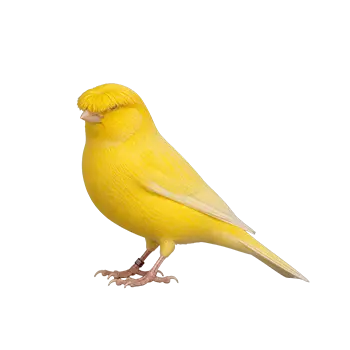

Federal Regulations in the United States

The Gloster Canary, as a domesticated variety of the Atlantic canary (Serinus canaria domesticus), occupies a relatively favorable position under United States federal law. Unlike many parrot species and native wild birds, captive-bred domestic canaries are not listed under the Endangered Species Act and do not appear on CITES appendices, which means they are exempt from the permit requirements and trade restrictions that apply to many other avian species. The Wild Bird Conservation Act of 1992, which imposed a broad moratorium on the importation of wild-caught exotic birds, does not apply to domesticated canary varieties because they are not wild-caught and are not considered exotic species in the regulatory sense.

The primary federal statutes that can affect canary ownership are the Lacey Act and the Animal Welfare Act. The Lacey Act prohibits trade in wildlife that has been illegally obtained, transported, or sold, but its practical relevance to Gloster Canary keepers is minimal because the breed is entirely captive-bred and is not subject to the wildlife protections that trigger Lacey Act enforcement. The Animal Welfare Act establishes baseline standards for the humane treatment of animals in commerce, including minimum requirements for housing, care, and transport. Breeders who sell canaries across state lines or in commercial quantities may fall under the Act's licensing requirements, depending on the scale of their operations and how their activities are classified by the USDA.

The USDA's Animal and Plant Health Inspection Service plays a role in regulating the interstate movement of pet birds, primarily through health certification requirements designed to prevent the spread of avian diseases. When canaries are shipped across state lines, whether by breeders, dealers, or individuals relocating with their pets, a health certificate issued by a USDA-accredited veterinarian may be required. The specific documentation requirements vary by state, and both the origin and destination states may have their own rules that must be satisfied before birds can be legally moved.

For the vast majority of individual Gloster Canary owners who keep one or a few birds as household pets and do not engage in interstate commerce, federal regulations impose few if any direct obligations. The breed's fully domesticated status and its absence from any federal endangered or restricted species list mean that simple pet ownership does not require permits, registrations, or notifications at the federal level. However, owners who breed and sell birds, ship birds across state lines, or import birds from other countries must familiarize themselves with the applicable federal requirements to ensure compliance.

State & Local Regulations

While federal law provides the broad framework, state and local regulations add layers of complexity that Gloster Canary owners must navigate. Each state maintains its own fish and wildlife agency or equivalent body that regulates the possession, breeding, and sale of animals within the state's borders. For domesticated canary breeds, most states impose few if any restrictions beyond basic animal cruelty statutes, but there are exceptions and nuances that vary significantly from one jurisdiction to the next.

Some states require permits or registrations for individuals who breed and sell birds beyond a certain volume, treating such activity as a commercial enterprise subject to business licensing, sales tax collection, and inspection. Others regulate the conditions under which birds may be kept, specifying minimum cage dimensions, access to food and water, and standards of cleanliness. These regulations are typically enforced through state departments of agriculture or animal control agencies, and violations can result in fines, confiscation of birds, or criminal charges in severe cases of neglect or cruelty.

Local ordinances can impose additional restrictions that are more specific and sometimes more stringent than state-level rules. Municipalities may limit the number of birds that can be kept on a residential property, restrict breeding activity in residential zones, or impose noise-related constraints that, while rarely relevant to the relatively quiet canary, could affect owners who keep multiple singing males. Homeowners' associations and rental agreements may also restrict or prohibit pet birds, and these private contractual obligations can be just as practically significant as government regulations for individual owners. Prospective Gloster Canary owners are well advised to check not only state law but also local ordinances and any applicable private agreements before acquiring a bird.

Avian disease reporting requirements represent another area where state regulations directly affect canary keepers. Most states require the reporting of certain avian diseases, including avian influenza and Newcastle disease, to state veterinary authorities. During disease outbreaks, states may impose quarantines, movement restrictions, or mandatory testing on all captive birds within affected areas, regardless of species. Gloster Canary owners who participate in shows, breed cooperatively, or transport birds to and from bird marts or exhibitions should be aware of these disease-related regulations, as violations can carry significant penalties and the consequences of non-compliance during an outbreak can extend to the broader avicultural community.

International Import & Export

Moving Gloster Canaries across international borders involves a more complex regulatory framework than domestic transport, even though the breed's status as a common domesticated variety simplifies matters relative to species protected by CITES or other international agreements. The primary considerations for international movement of canaries are health certification, quarantine requirements, and compliance with the import regulations of the destination country.

For exports from the United States, the USDA's Veterinary Services division oversees the issuance of international health certificates, which must be endorsed by a federal veterinarian after the birds have been examined by a USDA-accredited private veterinarian. The specific tests and certifications required depend on the destination country's import regulations, which can range from straightforward health attestations to extensive disease testing panels. Processing times for export documentation can be substantial, and breeders or owners planning to ship birds internationally should allow ample lead time to complete all required steps.

Importing canaries into the United States requires compliance with USDA-APHIS regulations, which include a mandatory quarantine period at a USDA-approved quarantine facility. The purpose of the quarantine is to screen incoming birds for avian diseases that could threaten domestic poultry and wild bird populations. The importer is responsible for the costs of quarantine, and space at approved facilities must be reserved in advance. The U.S. Fish and Wildlife Service may also require documentation to confirm that the birds were legally acquired and exported from their country of origin, though this requirement is typically straightforward for a fully domesticated breed like the Gloster.

The European Union, United Kingdom, Australia, and other major destinations for Gloster Canaries each maintain their own import regimes, which may include pre-import testing, microchipping or banding, quarantine periods, and specific documentation formats. Australia's biosecurity regulations are among the strictest in the world, with lengthy quarantine requirements and limited approved import pathways for live birds. Prospective importers to any country should consult the relevant national veterinary or biosecurity authority well in advance of any planned movement, as requirements can change with little notice, particularly during periods of heightened avian disease risk.

Show Regulations & Registration Requirements

The exhibition of Gloster Canaries is governed by a separate but overlapping set of regulations that combine governmental disease-control requirements with the rules established by breed clubs and show-organizing bodies. In the United Kingdom, all bird exhibitors must hold a Government Customer Registration Number issued by the Animal and Plant Health Agency, a free registration that enables the government to contact bird keepers quickly in the event of an avian disease outbreak. Exhibitors who cannot present a valid registration number are barred from entering their birds at shows organized by Gloster clubs and general canary societies alike.

In the United States, show regulations are established primarily by the organizing clubs and associations, with governmental requirements layered on top. The International Gloster Breeders Association and its affiliated chapters set the rules for their own events, including entry requirements, judging standards, and banding specifications. Birds entered in IGBA-sanctioned shows typically must wear closed bands that identify the breeder, the year of hatching, and the bird's individual number. These bands serve as a form of registration and traceability, enabling judges and buyers to verify a bird's provenance and supporting disease-tracking efforts in the event of a health emergency.

State and federal disease-control regulations apply to bird shows as gatherings of live animals, and show organizers must comply with any applicable requirements regarding veterinary inspection, health certification, and disease reporting. During periods of avian influenza or Newcastle disease activity, state veterinary authorities may impose additional conditions on bird gatherings, including mandatory pre-show health checks, restrictions on the geographic origin of entered birds, or outright cancellation of events in affected areas. Show organizers, exhibitors, and attendees share responsibility for compliance, and the consequences of non-compliance can extend beyond fines to include quarantine of birds and exclusion from future events.

The banding and registration systems maintained by organizations like the IGBA serve functions beyond show eligibility. They provide a framework for tracking breeding lineages, managing genetic diversity, and maintaining the integrity of the breed's gene pool. Breeders who participate in these systems contribute to a collective record that benefits the entire Gloster community, enabling informed breeding decisions and supporting the long-term health and viability of the breed. While participation in formal registration schemes is not legally required for casual pet owners, it is effectively mandatory for anyone who wishes to exhibit or sell birds within the established Gloster fancy.

Animal Welfare & Cruelty Laws

Animal welfare legislation forms the legal foundation for the humane treatment of Gloster Canaries in captivity, establishing minimum standards that all keepers must meet regardless of whether they own a single pet bird or maintain a large breeding program. In the United States, every state has enacted animal cruelty statutes that prohibit the neglect, abuse, and mistreatment of animals, including birds. These statutes typically require that animals be provided with adequate food, water, shelter, and veterinary care, and they impose criminal penalties, ranging from misdemeanors to felonies depending on the severity of the offense, on individuals who fail to meet these obligations.

The specific application of cruelty laws to birds has evolved considerably over the past several decades. Historically, enforcement focused primarily on mammals, and birds received comparatively little attention from animal control agencies and prosecutors. This has changed as public awareness of avian welfare has grown and as advocates have pushed for more consistent enforcement across species. Cases involving neglected bird collections, including canary hoarding situations, have resulted in confiscation of birds, fines, and criminal convictions in jurisdictions across the United States, establishing precedents that apply to all bird keepers.

In the United Kingdom and the European Union, animal welfare legislation tends to be more prescriptive than in the United States, specifying in greater detail the conditions under which birds must be kept. The UK Animal Welfare Act of 2006 imposes a duty of care on animal owners, requiring them to provide for the animal's needs including a suitable environment, a suitable diet, the ability to exhibit normal behavior patterns, housing with or apart from other animals as appropriate, and protection from pain, suffering, injury, and disease. These principles apply directly to Gloster Canary keepers and are enforced through inspections, improvement notices, and prosecution where necessary.

For Gloster Canary breeders, welfare laws intersect with breeding practices in important ways. The lethal gene associated with the Corona's crest means that irresponsible breeding, specifically the pairing of two Corona birds, results in predictable embryonic death. While this practice is not explicitly addressed in most animal welfare statutes, it falls within the spirit of welfare legislation and is universally condemned by breed clubs and veterinary authorities. The Gloster community's self-regulation on this point has been effective, with experienced breeders mentoring newcomers and breed clubs publishing clear guidance on the Corona-Consort pairing rule. This internal regulatory culture complements the external legal framework and helps ensure that welfare standards are maintained even in areas where the law provides limited specific direction.

Practical Compliance for Owners

For the typical Gloster Canary owner, navigating the legal landscape is considerably less daunting than the breadth of potentially applicable regulations might suggest. The breed's fully domesticated status, its absence from endangered species lists, and its classification as a common pet bird mean that individual ownership for personal enjoyment requires no permits, licenses, or registrations in the vast majority of jurisdictions. The legal obligations that do apply, principally animal welfare requirements and local pet-keeping ordinances, are generally intuitive and align with the responsible care practices that any conscientious owner would follow as a matter of course.

Owners who intend to breed and sell Gloster Canaries face a somewhat more complex regulatory environment. Depending on the jurisdiction and the scale of operations, commercial breeding may trigger business licensing requirements, sales tax obligations, and compliance with state and local regulations governing the sale of live animals. Some states require sellers to provide health guarantees or disclosures to buyers, and transactions involving interstate shipment bring federal health certification requirements into play. Breeders who sell through online platforms must also comply with the terms of service of those platforms, which may impose their own rules regarding live animal sales.

Insurance is another practical consideration that intersects with the legal framework. Homeowner's insurance policies may not cover liability related to pet birds, and breeders who invite buyers to their premises or who ship birds commercially may wish to obtain additional liability coverage. Show exhibitors should verify whether their insurance covers birds in transit and at show venues, as losses due to theft, injury, or disease during shows, while uncommon, are not unheard of and can be financially significant for owners of high-quality breeding stock.

Staying current with regulatory changes is an ongoing responsibility for all Gloster Canary owners, but particularly for breeders and exhibitors. Avian disease outbreaks, changes in import and export policies, revisions to local pet-keeping ordinances, and updates to show regulations can all alter the legal landscape with relatively little warning. Membership in breed clubs and associations provides a valuable resource for staying informed, as these organizations typically monitor regulatory developments and communicate relevant changes to their members. The International Gloster Breeders Association, national canary societies, and local bird clubs all serve this function, and active participation in these communities offers both legal protection and practical support for Gloster Canary owners at every level of involvement.

Always consult a qualified professional before making any health-related decisions. This content is provided for informational reference only and should not replace professional guidance specific to your animal.