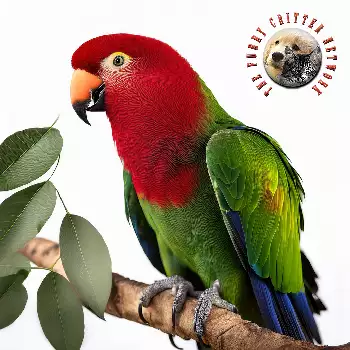

Car Travel

Traveling by car with an Eclectus Parrot requires thoughtful preparation to ensure the bird's safety and comfort throughout the journey. A sturdy, well-ventilated travel carrier is essential and should be large enough for the bird to stand, turn around, and stretch its wings slightly, but not so large that the bird is thrown about during sudden stops or turns. The carrier should be secured with a seatbelt or placed on the floor of the back seat to prevent it from sliding or tipping during transit. Wire carriers designed for travel offer good ventilation, while hard-sided plastic carriers provide more protection in the event of a collision.

Temperature management is critical when traveling with an Eclectus Parrot by car. These tropical birds are sensitive to temperature extremes and drafts, and the interior of a vehicle can heat up or cool down rapidly depending on conditions. Air conditioning should be directed away from the carrier to avoid chilling the bird, and the vehicle should never be left unattended with a bird inside, as interior temperatures can reach dangerous levels within minutes even on moderately warm days. During cold weather travel, warming the car before placing the bird inside and covering the carrier with a light blanket can help maintain a comfortable temperature.

Hydration and nutrition during car travel require special attention given the Eclectus's fresh-food diet. Unlike seed-eating species that can be provided with a gravity-fed seed cup during travel, the Eclectus benefits from pre-cut pieces of fresh fruit or vegetables secured in a small dish within the carrier. A water bottle or small spill-resistant dish should be available, though many birds will not drink during short trips. For longer journeys, plan regular stops to offer fresh water, food, and a brief opportunity for the bird to stretch outside the carrier in a safe, enclosed space such as the parked car with windows closed.

Acclimating an Eclectus Parrot to car travel before a long trip can significantly reduce stress for both the bird and the owner. Short practice drives around the neighborhood, combined with positive reinforcement such as favorite treats and calm verbal reassurance, help the bird associate the carrier and car motion with a neutral or positive experience. Eclectus Parrots are generally calmer than many parrot species, but individual birds vary in their tolerance for travel, and gradual exposure is the most effective way to identify and address anxiety before a longer journey.

Air Travel

Air travel with an Eclectus Parrot is possible but involves navigating a complex set of airline policies, federal regulations, and logistical considerations. Most major airlines allow birds to travel in the cabin as carry-on pets if the carrier fits under the seat in front of the passenger, though policies regarding bird species, carrier dimensions, and cabin pet fees vary by airline and are subject to change. Owners should contact the airline well in advance to confirm current bird policies, reserve a cabin pet spot (which is typically limited to a set number per flight), and verify carrier size requirements.

For birds that must travel in the cargo hold — due to carrier size, airline restrictions, or the owner's preference — the experience is more stressful and carries higher risk. Cargo holds on commercial aircraft are pressurized and temperature-controlled, but conditions can vary, particularly during ground handling when the carrier may be exposed to temperature extremes on the tarmac. Airlines that offer live animal shipping typically restrict travel during extreme weather months, and some refuse to transport birds in cargo altogether. If cargo travel is unavoidable, selecting a direct flight, avoiding peak summer and winter months, and using an airline with a strong live animal transport record can reduce risk.

The documentation required for domestic air travel with an Eclectus Parrot typically includes a health certificate issued by a licensed veterinarian within a specified window before the travel date, usually 10 days. Some airlines may require additional documentation, such as proof of ownership or a certificate of veterinary inspection. International flights require CITES permits, import permits from the destination country, and may involve quarantine upon arrival. The paperwork requirements for international bird travel are substantially more complex than for domestic trips, and owners should begin the process at least two to three months before their planned departure.

The stress of air travel on an Eclectus Parrot should not be underestimated. Changes in air pressure, unfamiliar sounds, separation from familiar environments, and confinement in a small carrier for extended periods can cause significant anxiety. Some avian veterinarians may recommend mild calming supplements or environmental modifications to the carrier, such as covering it with a breathable cloth to reduce visual stimulation. However, sedating a bird for air travel is generally discouraged by veterinary professionals, as sedation can impair a bird's ability to regulate its body temperature and maintain balance during turbulence.

Pet-Friendly Accommodations

Finding pet-friendly accommodations that welcome birds can be more challenging than locating dog- or cat-friendly lodging, as many hotels and vacation rentals that advertise pet-friendly policies are referring specifically to dogs and cats. When booking accommodations, Eclectus Parrot owners should explicitly confirm that birds are permitted, inquire about any additional pet deposits or cleaning fees, and clarify whether the bird will be allowed in the room unattended. Direct communication with the property — rather than relying solely on booking platform filters — is the most reliable way to confirm bird-specific policies.

Vacation rental platforms offer a wider range of options for bird owners than traditional hotel chains, as individual property owners may be more flexible in their pet policies. Entire-home rentals eliminate concerns about noise complaints from neighboring guests and provide a more controlled environment for the bird. When booking a vacation rental, owners should discuss their bird's needs with the property owner, including any potential for noise, the use of a portable cage or travel stand, and precautions against damage to furnishings.

Setting up a comfortable temporary environment for an Eclectus Parrot in a hotel room or rental property requires some advance planning. A collapsible travel cage or portable perch stand provides the bird with a secure space outside the travel carrier, and familiar items such as favorite toys and a regular food dish can help reduce stress in unfamiliar surroundings. Owners should inspect the room for potential hazards before allowing the bird out of its carrier, including open windows, exposed electrical cords, ceiling fans, toxic plants, and non-stick cookware in kitchenettes that can release fumes lethal to birds.

For extended trips, identifying an avian veterinarian near the destination before departure is a prudent precaution. The Association of Avian Veterinarians maintains a directory of member practitioners that can help owners locate qualified avian care in unfamiliar areas. Having this information readily available can save valuable time in an emergency and provides peace of mind for owners traveling far from their regular veterinarian.

Boarding & Pet Sitting

When travel without the bird is the better option, Eclectus Parrot owners must choose between professional bird boarding facilities and in-home pet sitters. Boarding facilities that specialize in birds are less common than those for dogs and cats, but they exist in many metropolitan areas and offer enclosures, supervised socialization, and staff experienced with parrot behavior and care. When evaluating a boarding facility, owners should visit in person to assess cleanliness, enclosure sizes, ventilation, noise levels, and the staff's familiarity with Eclectus-specific dietary and behavioral needs.

In-home pet sitting, where a caregiver visits the owner's home or stays with the bird, can be a less stressful alternative to boarding for Eclectus Parrots. Remaining in familiar surroundings helps minimize the anxiety associated with environmental change, and the bird can maintain its regular routine of feeding, sleep cycles, and enrichment activities. Professional pet sitters with exotic bird experience are preferable, and owners should provide detailed written care instructions covering diet preparation, cage cleaning, behavioral cues indicating stress or illness, and emergency veterinary contact information.

The Eclectus Parrot's specialized diet is one of the most important considerations when arranging boarding or pet sitting. Unlike parrots that thrive on a seed or pellet base, the Eclectus requires daily preparation of fresh fruits, vegetables, and other whole foods, with strict avoidance of artificial colors, flavors, and preservatives. Owners should ensure that whoever is caring for the bird understands these dietary requirements and is willing to prepare fresh food daily rather than relying on convenience options. Providing pre-portioned, labeled meal packs in the refrigerator or freezer can simplify this process for the caregiver.

Regardless of the care arrangement chosen, owners should schedule a brief meet-and-greet between the bird and the caregiver before the trip. This allows the bird to become familiar with the new person in a low-stress context and gives the caregiver an opportunity to observe the bird's normal behavior, practice food preparation, and ask questions. Eclectus Parrots can be initially reserved with strangers, and a positive introduction can make the care period smoother for everyone involved.

Emergency Preparedness

Emergency preparedness for Eclectus Parrot owners involves planning for both travel-related emergencies and broader disaster scenarios that may require evacuation with the bird. A dedicated emergency kit for the bird should include a sturdy travel carrier, a three-day supply of the bird's regular food and bottled water, any medications or supplements the bird takes, copies of veterinary records and ownership documentation, a recent photograph of the bird for identification purposes, and contact information for avian veterinarians along common travel routes or near evacuation destinations.

Natural disasters, including hurricanes, wildfires, floods, and severe winter storms, may require rapid evacuation with limited time to prepare. Eclectus Parrot owners in disaster-prone areas should identify bird-friendly evacuation shelters or prearrange temporary housing with friends, family, or boarding facilities outside the expected impact zone. Many general emergency shelters do not accept animals other than service dogs, so having a plan that accounts for the bird's needs is essential. Some communities maintain lists of pet-friendly evacuation resources, and local bird clubs or aviculture societies may organize mutual aid networks for emergencies.

Power outages pose particular risks for Eclectus Parrots, especially in extreme heat or cold. Without climate control, indoor temperatures can quickly move outside the bird's comfort zone. Owners should have contingency plans for maintaining appropriate temperatures during outages, which may include battery-powered fans, hand warmers placed near (but not inside) the carrier, insulating cage covers, or relocating to a friend's home or hotel with power. Monitoring the bird for signs of heat stress or hypothermia during any disruption to climate control is critical.

Travel emergencies — such as car breakdowns, flight cancellations, or medical emergencies affecting the owner — require quick decision-making about the bird's immediate care. Having a list of emergency contacts who are willing and able to take temporary custody of the bird, along with basic care instructions accessible on a phone or in a printed card kept with the travel carrier, can make a significant difference in outcomes. Owners who travel frequently with their Eclectus should also consider microchipping the bird and ensuring that leg band information is recorded with a national registry, as these measures greatly increase the chances of reunification if the bird is lost or separated from its owner during an emergency.

Always consult a qualified professional before making any health-related decisions. This content is provided for informational reference only and should not replace professional guidance specific to your animal.