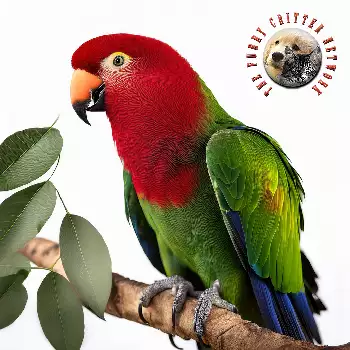

The Eclectus Parrot is listed under Appendix II of the Convention on International Trade in Endangered Species of Wild Fauna and Flora (CITES), which means that international commercial trade in wild-caught specimens is regulated and requires export permits from the country of origin. This listing reflects concern about the cumulative impact of habitat loss and trapping on wild populations, even though the species is not currently considered endangered. Any international transfer of an Eclectus Parrot, whether for sale, breeding, or personal relocation, must comply with CITES documentation requirements.
The practical effect of the CITES Appendix II listing is that buyers and sellers engaged in international transactions must be able to demonstrate that their birds are captive-bred or were legally acquired prior to the listing. Captive-bred Eclectus Parrots are generally easier to trade internationally than wild-caught specimens, but proper documentation — including closed leg bands, breeder certificates, and CITES permits — is still required for cross-border movement. Failure to produce appropriate paperwork can result in confiscation of the bird and legal penalties for both buyer and seller.
Several countries within the Eclectus Parrot's native range have implemented additional trade restrictions beyond CITES requirements. Indonesia and Papua New Guinea, for example, have enacted domestic wildlife protection laws that restrict or prohibit the capture and export of native parrot species. These laws are intended to complement international frameworks by addressing local enforcement gaps, though their effectiveness varies depending on regional governance capacity and available resources for wildlife law enforcement.
Prospective Eclectus owners involved in international purchases or relocations should consult both the CITES authority in their country and the relevant wildlife agency in the country of origin before initiating any transaction. Regulations can change, and what was permissible in one year may require different documentation or may be prohibited entirely in another. Working with reputable breeders who maintain thorough records and are familiar with current trade regulations is the most reliable way to ensure compliance.