
Film & Television

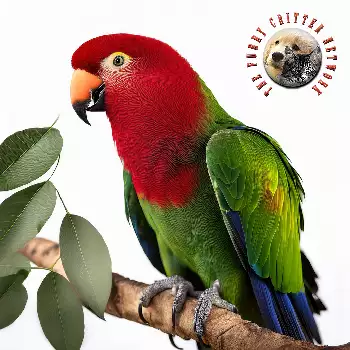
The Eclectus Parrot has made numerous appearances in nature documentaries and wildlife television programs, where its dramatic sexual dimorphism and vivid plumage make it an ideal subject for visual storytelling. Productions focused on the biodiversity of New Guinea, the Solomon Islands, and the broader Australasian region frequently feature the Eclectus as a flagship species, using its striking appearance to draw viewers into broader discussions about tropical ecology and conservation. The visual contrast between the emerald green males and ruby red females provides filmmakers with naturally compelling footage that requires little embellishment.

While the Eclectus has not starred in major Hollywood feature films in the way some dog breeds have, the species has appeared as a background or supporting animal in various productions set in tropical locations. Filmmakers and television producers sometimes select Eclectus Parrots for scenes requiring an exotic, colorful bird because their calm temperament makes them easier to work with on set compared to many other parrot species. Animal trainers who work in the entertainment industry have noted that the Eclectus's relatively docile nature and willingness to perch calmly under studio lighting make them well-suited for on-camera work.

Television programs dedicated to pet care and exotic animal ownership have featured the Eclectus Parrot in episodes addressing parrot nutrition, behavior, and the responsibilities of keeping large parrots as companions. These segments have helped educate potential owners about the species' specialized needs while also showcasing the birds' intelligence and vocal abilities. Veterinary shows and animal rescue programs have occasionally highlighted Eclectus Parrots in episodes dealing with the challenges of rehoming large parrots, drawing attention to the long-term commitment these birds require.

Literature & Educational Media

The Eclectus Parrot occupies a prominent place in avicultural literature, with several dedicated books and countless magazine articles exploring its care, behavior, and natural history. These publications range from comprehensive species monographs aimed at experienced aviculturists to accessible introductory guides for prospective owners. The species' unique dietary requirements and the long-standing taxonomic confusion surrounding its sexual dimorphism have made it a particularly rich subject for authors seeking to combine practical husbandry advice with engaging natural history.

In children's educational materials, the Eclectus Parrot frequently appears in books and programs about rainforest animals, color in nature, and animal diversity. The dramatic visual difference between males and females provides an accessible and memorable way to introduce young readers to concepts like sexual dimorphism and adaptation. Illustrated nature encyclopedias and educational posters commonly feature the Eclectus as a representative parrot species, often placing male and female birds side by side to emphasize the striking contrast.

Scientific literature has also given the Eclectus considerable attention. Peer-reviewed papers on avian sexual dimorphism, parrot cognition, and island biogeography frequently reference the species. The Eclectus has been the subject of studies investigating the evolutionary pressures that drive extreme plumage differences between sexes, with researchers proposing theories related to nest-site competition, predation risk, and signaling. These academic contributions, while not pop culture in the traditional sense, have filtered into popular science writing and documentaries, further raising the species' public profile.

Field guides covering the birds of Australasia and the Pacific Islands invariably include detailed entries on the Eclectus Parrot, often with full-color plates illustrating the various subspecies. These references serve both birdwatchers planning trips to the species' native range and ornithology students building their knowledge of Pacific avifauna. The Eclectus's inclusion in these guides reinforces its status as one of the most recognizable and significant parrot species in its geographic region.

Internet & Social Media

The Eclectus Parrot has become one of the most popular parrot species on social media, with dedicated accounts on platforms like Instagram, TikTok, and YouTube amassing large followings. The species' photogenic qualities — particularly the saturated colors of their plumage — translate exceptionally well to digital media, where vivid visuals drive engagement. Videos showcasing Eclectus Parrots talking, playing, and interacting with their owners regularly attract hundreds of thousands of views, introducing the species to audiences far beyond the traditional aviculture community.

Online forums and Facebook groups dedicated to Eclectus Parrot ownership have created robust digital communities where keepers share care advice, dietary recommendations, and behavioral observations. These communities have been instrumental in disseminating specialized knowledge about Eclectus husbandry, particularly regarding the species' sensitivity to artificial additives and its need for a fruit- and vegetable-heavy diet. The collective wisdom of these online groups has, in many cases, outpaced published care guides, as members share real-time observations and experiences from their daily interactions with their birds.

The Eclectus has also become a popular subject for digital artists, photographers, and content creators who specialize in animal and nature content. The bold color palette of the species lends itself to graphic design, illustration, and fine art photography, and Eclectus-inspired artwork circulates widely on platforms like Pinterest and DeviantArt. This artistic engagement has helped establish the Eclectus as an icon of avian beauty in the broader visual culture of the internet.

Viral moments featuring Eclectus Parrots have periodically boosted the species' visibility beyond dedicated bird communities. Clips of Eclectus Parrots demonstrating their vocal clarity, mimicking household sounds, or displaying affectionate behavior with their owners have been shared across mainstream social media channels, introducing the species to general audiences. These viral moments, while fleeting, contribute to a cumulative awareness that has steadily grown the Eclectus's reputation as one of the most appealing companion parrot species.

Advertising & Conservation Branding

The Eclectus Parrot's vivid and visually distinctive appearance has made it an attractive subject for use in advertising and branding, particularly in contexts related to tropical tourism, environmental conservation, and pet industry products. Tourism boards in Papua New Guinea and the Solomon Islands have used images of Eclectus Parrots in promotional materials to represent the rich biodiversity of their regions, leveraging the bird's striking colors to capture attention in travel advertising.

Within the pet industry, the Eclectus appears frequently in marketing materials for premium bird food brands, avian supplements, and specialty bird care products. Companies targeting the high-end companion bird market often feature Eclectus Parrots in their advertising because the species is widely associated with knowledgeable, dedicated ownership. The bird's appearance on product packaging or in promotional imagery signals quality and specialization, appealing to consumers who take their birds' care seriously.

Conservation organizations have adopted the Eclectus as a visual ambassador for rainforest protection campaigns in the Asia-Pacific region. The species' dependence on old-growth forest for nesting makes it a powerful symbol of what stands to be lost when primary forests are cleared. Fundraising materials, awareness campaigns, and educational programs have featured the Eclectus prominently, using its beauty and the accessibility of its conservation story to connect with donors and supporters who may have limited prior knowledge of Pacific wildlife.

The species has also appeared on postage stamps issued by several countries within its native range, including Papua New Guinea and the Solomon Islands. These stamps serve as both cultural recognition of the bird's significance and as small-scale conservation awareness tools, placing the Eclectus Parrot's image into everyday circulation and reinforcing its status as a nationally treasured species.

The Popularity Effect

The growing visibility of the Eclectus Parrot in media and popular culture has had measurable effects on demand for the species in the pet trade. As social media exposure and documentary coverage have increased, so has interest from prospective parrot owners drawn to the Eclectus's beauty and reputed gentle temperament. This surge in popularity has been a double-edged development: while it has supported captive breeding programs and expanded the community of knowledgeable Eclectus keepers, it has also led to impulse acquisitions by individuals unprepared for the species' demanding care requirements.

Aviculture organizations and experienced Eclectus owners have responded to this popularity surge with increased educational outreach. Online resources, breed-specific rescue organizations, and mentorship programs have emerged to help new owners understand the commitment involved in keeping an Eclectus Parrot. Topics such as the species' need for a fresh, whole-food diet, its sensitivity to environmental toxins, and its potential for behavioral issues when under-stimulated are emphasized in these educational efforts, aiming to reduce the rate of rehoming and surrender.

The popularity effect has also influenced conservation awareness in positive ways. As more people become familiar with the Eclectus through media exposure, support for habitat conservation in the species' native range has grown. Donation-driven conservation programs, adoption campaigns for captive birds, and volunteer ecotourism initiatives have all benefited from the heightened public interest generated by the Eclectus's media presence.

Looking ahead, the challenge for the Eclectus community is to ensure that the species' popularity translates into sustained, responsible ownership and meaningful conservation support rather than fleeting consumer interest. The aviculture and conservation communities continue to emphasize that behind the stunning plumage lies a complex, long-lived animal that deserves informed, lifelong commitment from anyone who chooses to bring one into their home.

Always consult a qualified professional before making any health-related decisions. This content is provided for informational reference only and should not replace professional guidance specific to your animal.