
Breed-Specific Transport Considerations

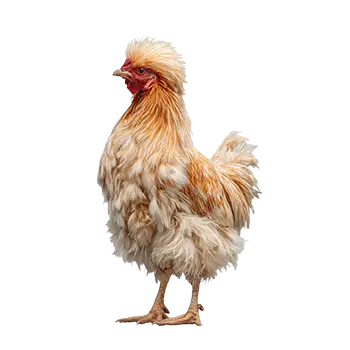
Transporting Cochin Bantams requires attention to several breed-specific characteristics that distinguish them from most other chicken breeds. The most significant of these is the Cochin Bantam's profuse foot and leg feathering, which is both a defining breed trait and a source of vulnerability during travel. Feathered feet are easily soiled, broken, or damaged by inappropriate carrier bedding, rough surfaces, or exposure to moisture. Since foot feathering is a heavily weighted judging criterion at poultry shows, exhibitors must take particular care to protect this plumage during transit.

The Cochin Bantam's dense body feathering creates additional transport considerations related to temperature regulation. The breed's thick plumage provides excellent insulation in cold weather but can make the bird susceptible to overheating in warm conditions, particularly in the enclosed environment of a transport carrier. Cochin Bantams are less heat-tolerant than many lighter-feathered breeds, and temperature management during travel is a critical concern that owners must address through carrier selection, ventilation planning, and timing of travel.

The breed's calm temperament is a significant advantage during transport. Cochin Bantams are generally less flighty and less prone to panic-related injuries than many other chicken breeds, making them relatively easy to handle during loading, unloading, and the journey itself. Their docile nature means they are less likely to injure themselves by thrashing against carrier walls or to stress to the point of health compromise during routine travel. This behavioral characteristic makes the Cochin Bantam one of the more forgiving breeds to transport, provided that the physical requirements of plumage protection and temperature management are met.

Cochin Bantams that are regularly handled and accustomed to human contact tend to travel best. Breeders who plan to exhibit their birds or ship them to buyers benefit from socializing their stock from a young age, acclimating birds to being picked up, placed in carriers, and exposed to the sounds and sensations of vehicle travel. A well-socialized Cochin Bantam that has been crate-trained will settle into a transport carrier quickly and travel with minimal stress, arriving at its destination in better physical and behavioral condition than a bird that has never experienced confinement or movement.

Carrier Selection & Preparation

Choosing the right carrier is the foundation of safe Cochin Bantam transport. The ideal carrier for a bantam-sized bird provides enough space for the bird to stand and turn comfortably without allowing so much room that the bird is tossed about during vehicle movement. For a single Cochin Bantam, a small pet carrier, a ventilated cardboard box designed for poultry transport, or a purpose-built poultry show cage with solid sides and a wire top will serve well. The carrier should have adequate ventilation on at least two sides to prevent heat buildup while also providing enough enclosure to keep the bird calm and protected from drafts.

Bedding selection is particularly important for Cochin Bantams due to their feathered feet. Shredded paper or clean wood shavings of a medium to coarse grade provide a dry, cushioned surface that is less likely to tangle in foot feathering than straw or hay. Some exhibitors prefer to line carriers with clean towels or shelf liner material that provides traction without creating fibers that could catch in the feathering. Whatever bedding is chosen, it should be deep enough to absorb droppings during the journey and dry enough to keep foot feathering clean.

For show exhibitors, carrier preparation extends to include measures that protect the bird's overall plumage condition. Clean, smooth interior surfaces prevent feather breakage, and carriers should be free of protruding hardware, rough edges, or wire mesh that could catch and damage feathers. Some exhibitors wrap the interior walls of wire carriers with fabric or cardboard to create a gentler environment. The carrier should be cleaned and prepared well before the day of travel, and a test fitting with the bird can help identify any issues before they become problems during an actual journey.

Multiple-bird transport requires additional planning. When transporting several Cochin Bantams simultaneously, each bird should ideally have its own compartment to prevent pecking, feather damage, and stress. Stacking carriers in a vehicle must be done carefully to ensure that ventilation is not blocked and that the weight of upper carriers does not compromise the structural integrity of lower ones. Birds of different sexes should be separated during transport, and unfamiliar birds should never share a carrier, as the stress of travel can trigger aggression even in normally docile individuals.

Vehicle Transport & Road Travel

Road travel is the most common mode of transport for Cochin Bantams, whether the destination is a veterinary clinic, a poultry show, or a buyer's farm. Vehicle transport allows the owner direct control over environmental conditions, timing, and route selection, making it the preferred method for most situations involving live birds. Proper vehicle preparation and driving practices can significantly reduce stress on the birds and improve their condition upon arrival.

Temperature management inside the vehicle is the single most important variable during road transport. In warm weather, air conditioning should be running before the birds are loaded, and carriers should be positioned where they receive airflow without being placed directly in front of vents. In cold weather, moderate heating is appropriate, but the vehicle interior should not be overheated, as the Cochin Bantam's dense plumage provides substantial natural insulation. A vehicle thermometer placed near the carriers provides useful feedback, and the target range for most conditions is between 55 and 75 degrees Fahrenheit.

Securing carriers within the vehicle prevents shifting and tipping during turns, stops, and acceleration. Placing carriers on the floor behind the front seats, wedged against the seat backs, provides natural stability. Seat belts or cargo straps can be used to secure carriers on seats, and non-slip mats beneath carriers on flat surfaces prevent sliding. The goal is to minimize the physical jostling that the bird experiences during the drive, as sudden movements can cause stress, injury, and feather damage.

For longer road trips exceeding two or three hours, periodic stops to check on the birds are advisable. During these stops, the owner should verify that the carrier bedding is reasonably dry, that the bird appears calm and alert, and that the temperature inside the carrier remains within an acceptable range. Offering water during stops is appropriate for journeys exceeding four hours, using a small cup or shallow dish that can be held in place while the bird drinks and then removed to prevent spilling during continued travel. Food is generally unnecessary for trips under eight hours, as chickens tolerate short fasts well and uneaten food in a carrier can attract insects or create mess.

Shipping by Mail & Courier Services

The United States Postal Service remains the primary carrier for shipping live poultry within the United States, and Cochin Bantam breeders who sell birds or hatching eggs to distant buyers rely heavily on this service. USPS regulations permit the mailing of live, day-old poultry and adult birds under specific conditions, including the use of approved shipping containers, compliance with postal regulations regarding labeling and handling, and adherence to seasonal restrictions that some post offices impose during extreme weather.

Shipping day-old Cochin Bantam chicks by mail is a well-established practice that takes advantage of the chick's natural ability to survive for approximately 72 hours after hatching without food or water, sustained by the absorbed yolk sac. Breeders who ship chicks use insulated, ventilated boxes designed specifically for poultry transport, often including heat packs in cold weather and gel-based cooling elements in hot weather. Minimum chick counts are typically required by the postal service to ensure that the chicks generate enough collective body heat to maintain safe temperatures during transit, though bantam chicks may require higher minimums due to their smaller body mass.

Shipping adult Cochin Bantams by mail or courier requires more specialized containers and greater attention to the bird's welfare during transit. Approved shipping containers for adult birds must provide adequate ventilation, sufficient space for the bird to stand and lie down, secure closures that prevent escape, and clear labeling indicating that the package contains live animals. Absorbent bedding, a source of moisture such as a damp sponge or fruit slice, and protection from temperature extremes are all essential elements of a properly prepared adult bird shipment.

Hatching egg shipment is another common practice among Cochin Bantam breeders, though it presents its own set of challenges. Fertile eggs must be packed securely to prevent breakage and should be shipped with the air cell end up. Insulation against temperature extremes is important, as prolonged exposure to high or low temperatures can kill developing embryos. Despite careful packing, the vibration and handling inherent in postal transit can reduce hatch rates compared to eggs set directly from the breeder's flock, and reputable breeders communicate this reality to buyers upfront.

Private courier services such as FedEx and UPS have varying policies regarding live animal shipment, and most do not accept live poultry from individual shippers. Specialized animal transport services exist for situations where postal shipping is impractical or undesirable, though these services typically charge significantly more than standard postage. Cochin Bantam breeders who ship regularly should familiarize themselves with the current policies of all available carriers and select the option that best balances cost, speed, and the welfare of the birds.

Show Travel Preparation & Logistics

Preparing Cochin Bantams for travel to poultry shows involves a combination of grooming, health verification, and logistical planning that begins well before the day of the event. Experienced exhibitors follow a preparation timeline that typically starts one to two weeks before the show date, ensuring that birds are in peak condition and that all administrative requirements have been met.

Grooming for show travel centers on protecting and enhancing the Cochin Bantam's plumage, particularly the foot and leg feathering that is so important to the breed's standard. Many exhibitors bathe their show birds several days before the event, allowing enough time for the feathers to dry completely and for natural oils to redistribute through the plumage. Foot feathering should be clean, dry, and free of staining, and some exhibitors use cornstarch or specialized poultry grooming powder to enhance the appearance of light-colored feathering. Nails should be trimmed if overgrown, and the bird's beak and comb should be clean and free of any scabbing or discoloration.

Health documentation requirements for show entry typically include a current negative test result for pullorum-typhoid, administered through the National Poultry Improvement Plan or by a licensed veterinarian. Some shows require additional testing or health certificates, particularly during periods of elevated avian influenza risk. Exhibitors must verify the specific health requirements for each show well in advance, as testing may need to be completed within a defined window before the show date and results may take several days to process.

Logistical planning for show travel includes route mapping, hotel reservations for multi-day events, vehicle preparation, and contingency planning for weather or mechanical issues. Exhibitors traveling long distances should identify emergency veterinary resources along their route, plan fuel and rest stops at intervals appropriate for checking on the birds, and carry spare bedding, water, and basic first-aid supplies for the birds. A checklist of show entry paperwork, grooming supplies, carrier components, and personal necessities helps ensure that nothing essential is forgotten.

The return trip from a show requires the same attention to transport quality as the outward journey, with the additional consideration that birds may be fatigued from the stress of exhibition. Post-show biosecurity is also important; birds returning from shows should ideally be quarantined from the home flock for a minimum of two weeks to guard against the introduction of diseases that may have been encountered at the event. This quarantine period is a standard recommendation from veterinary authorities and breed organizations alike, and experienced exhibitors build it into their show travel planning as a matter of routine.

Interstate & International Transport Regulations

Moving Cochin Bantams across state lines or international borders introduces a layer of regulatory complexity that requires careful advance preparation. Within the United States, interstate transport of live poultry is governed by a combination of USDA regulations and individual state import requirements. Most states require a certificate of veterinary inspection, commonly known as a health certificate, for poultry entering the state. These certificates must be issued by a licensed and accredited veterinarian, typically within 30 days of the transport date, and must attest that the birds are free of visible signs of disease.

Many states impose additional testing requirements beyond the health certificate. Pullorum-typhoid testing is the most common prerequisite, and some states require that birds originate from NPIP-certified flocks or that individual birds carry current NPIP band numbers. During periods of active avian influenza outbreaks, states may impose temporary import restrictions, enhanced testing requirements, or outright bans on live poultry imports from affected regions. Cochin Bantam owners planning interstate transport should contact the state veterinarian's office in both the originating and destination states well in advance to confirm current requirements.

International transport of Cochin Bantams is significantly more complex and is governed by the importing country's animal health regulations, USDA Animal and Plant Health Inspection Service export requirements, and applicable international trade agreements. Export health certificates, quarantine protocols, and species-specific testing requirements vary by destination country and can change with little notice in response to disease outbreaks or policy revisions. The cost and administrative burden of international poultry transport is substantial, and most Cochin Bantam movements across international borders occur in the context of high-value breeding stock exchanges between established fanciers.

Hatching egg exports are subject to their own set of regulations that differ from those governing live bird transport. While hatching eggs present a lower disease transmission risk than live birds, they are still subject to export certification requirements and may require testing of the parent flock. Some countries impose fumigation requirements for imported hatching eggs as an additional biosecurity measure. Cochin Bantam breeders who wish to export hatching eggs should work closely with USDA APHIS and the importing country's veterinary authority to ensure compliance with all applicable regulations.

Documentation is the cornerstone of compliant interstate and international Cochin Bantam transport. Owners should maintain organized records of all health testing, veterinary inspections, NPIP certifications, and transport permits associated with each movement of birds. These records serve not only as proof of regulatory compliance but also as a valuable resource for tracing the health and provenance of breeding stock over time. In the event of a disease investigation, thorough transport records can expedite the response process and protect the owner from regulatory penalties associated with inadequate documentation.

Always consult a qualified professional before making any health-related decisions. This content is provided for informational reference only and should not replace professional guidance specific to your animal.