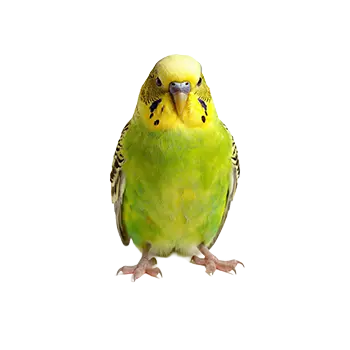

The budgerigar's legal standing is shaped in part by international wildlife protection frameworks. While captive-bred budgerigars are among the most common pet birds in the world and are not considered endangered, the species is still subject to regulatory oversight in many jurisdictions. The Convention on International Trade in Endangered Species (CITES) does not list the budgerigar on its appendices, meaning that international trade in captive-bred budgerigars is generally not restricted by this particular treaty. However, individual countries may impose their own regulations on the import and export of live birds.
Australia, the budgerigar's country of origin, maintains strict wildlife export laws that prohibit the removal of native fauna, including budgerigars, from the country. This ban has been in effect since the late nineteenth century and was formalized through various iterations of federal wildlife protection legislation. As a result, all budgerigars kept as pets outside of Australia are descended from birds exported before these restrictions took effect. This long-standing prohibition has had the effect of genetically isolating captive populations outside Australia from wild populations.
In many countries, budgerigars are classified as domesticated animals rather than wildlife, which simplifies the legal framework governing their ownership. This classification typically means that no special permits or licenses are required to keep a budgerigar as a pet, though local regulations may still apply. Prospective owners should verify the specific laws in their jurisdiction, as the distinction between domesticated and wild-caught birds can carry significant legal implications.
It is worth noting that while captive-bred budgerigars are widely available and legal to own in most places, the release of captive budgerigars into the wild is prohibited or strongly discouraged in many jurisdictions. Released budgerigars can potentially establish feral populations that compete with native species, and intentional release may constitute an offense under local environmental or biosecurity laws.