
Origins & Discovery

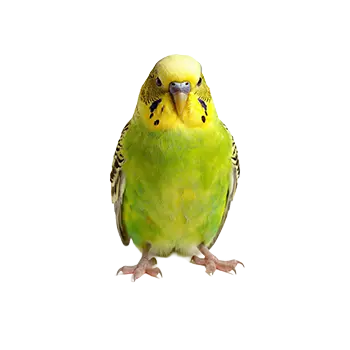
The budgerigar (Melopsittacus undulatus) is native to Australia, where it has inhabited the arid interior of the continent for millions of years. Wild budgerigars are nomadic, traveling in enormous flocks across the grasslands and scrublands in search of water and seeding grasses. Their natural plumage is a vivid green and yellow with black barring on the wings and back, a coloration that provides effective camouflage among the eucalyptus and spinifex of the Australian bush.

Indigenous Australians were intimately familiar with budgerigars long before European contact. Aboriginal peoples observed and named the birds, and some linguistic scholars believe the word "budgerigar" may derive from an Aboriginal language, though the exact origin remains debated. The birds held a place in the ecological knowledge systems of various Aboriginal groups, who recognized their movements as indicators of seasonal water availability and weather patterns.

European naturalists first documented the budgerigar in the late eighteenth century. English botanist George Shaw provided the first formal scientific description of the species in 1805, classifying it within the broader parrot family. Early European settlers in Australia were struck by the spectacle of massive wild flocks, sometimes numbering in the tens of thousands, sweeping across the sky in coordinated waves. These dramatic displays helped spark an interest in the species that would eventually lead to its global spread as a companion bird.

John Gould, the renowned English ornithologist, played a pivotal role in bringing budgerigars to the attention of European audiences. After his extensive fieldwork in Australia during the late 1830s, Gould brought live specimens back to England around 1840. His detailed illustrations and written accounts generated significant enthusiasm among both scientists and the general public, setting the stage for a booming trade in live budgerigars over the following decades.

Historical Roles

Unlike many domesticated animals, budgerigars were never kept for utilitarian purposes such as hunting, herding, or egg production. Their historical role has been almost exclusively that of a companion and ornamental bird. From the moment they arrived in Europe in the 1840s, budgerigars were prized for their beauty, cheerful vocalizations, and remarkable ability to mimic human speech. They quickly became favorites in Victorian parlors and aviaries across England and the European continent.

During the Victorian era, keeping budgerigars became a symbol of refinement and leisure. Wealthy households maintained elaborate aviaries, and the birds were featured prominently in the decorative arts of the period. The demand for budgerigars grew so intense that large-scale trapping and export operations were established in Australia. By the 1890s, concerns about the impact on wild populations led the Australian government to ban the export of native birds, a prohibition that remains in effect today.

In the twentieth century, budgerigars took on an additional historical role as subjects of scientific research. Their capacity for vocal learning made them valuable to researchers studying the neuroscience of speech and language acquisition. Studies on budgerigar vocalizations have contributed to broader scientific understanding of how the brain processes and produces complex sounds, paralleling research conducted on songbirds and parrots.

Budgerigars also served a quiet but meaningful social role during times of hardship. During the world wars and the Great Depression, keeping a budgie provided affordable companionship for families who could not maintain larger or more expensive pets. Their modest space and dietary requirements made them accessible to people across economic classes, democratizing pet ownership in a way few other animals could match.

Cultural Symbolism

In Australian culture, the budgerigar holds a special place as an icon of the outback. The sight of a wild flock against a red desert sky is one of the defining images of the Australian interior, and the bird has become a symbol of resilience, freedom, and the untamed character of the bush. Budgerigars appear frequently in Australian art, literature, and popular imagery, representing the natural beauty and ecological richness of the continent.

Beyond Australia, budgerigars have come to symbolize cheerfulness, sociability, and the simple pleasures of companionship. In many Western cultures, the budgie is associated with domesticity and warmth, often appearing in illustrations, greeting cards, and home decor as a representation of a happy household. Their bright colors and lively personalities make them natural symbols of optimism and vitality.

In Japanese culture, small parakeets including budgerigars have enjoyed a surge of popularity as cultural motifs. They appear on stationery, phone accessories, and in kawaii-style illustrations, embodying themes of cuteness, companionship, and gentle affection. Budgerigar-themed cafes, where visitors can interact with the birds while enjoying refreshments, have become popular attractions in several Japanese cities.

The budgerigar has also taken on symbolic meaning in conversations about conservation and environmental stewardship. As a species that thrives in the wild only under specific ecological conditions, the budgerigar serves as a reminder of the delicate balance required to sustain healthy ecosystems. Periods of drought in Australia can dramatically reduce wild budgerigar populations, making their abundance or scarcity a visible barometer of environmental health in the arid interior.

Breed Clubs & Standards

The organized breeding and exhibition of budgerigars began in earnest in the late nineteenth century, and by the early twentieth century, dedicated budgerigar societies had formed across Europe and the English-speaking world. The Budgerigar Society, founded in England in 1925, became the premier organization for budgerigar enthusiasts, establishing breeding standards and organizing competitive exhibitions that continue to this day.

Exhibition budgerigars, often called "show budgies" or "English budgies," are bred to a specific standard that emphasizes a larger body size, a more prominent head, and fuller facial feathering compared to their wild counterparts. The World Budgerigar Organisation (WBO) coordinates international standards and facilitates cooperation among national budgerigar societies from dozens of countries. Show standards define ideal characteristics for dozens of recognized color varieties and mutations.

Color breeding has been one of the most fascinating aspects of budgerigar culture. While wild budgerigars are uniformly green and yellow, selective breeding has produced an extraordinary palette of color mutations including blue, white, violet, grey, lutino, albino, and many more. Each mutation follows specific genetic inheritance patterns, and understanding these genetics has become a deep area of expertise within the budgerigar fancy. Breeders often specialize in particular color varieties, dedicating years to refining their lines.

Budgerigar shows are organized events where birds are judged against the established standard of perfection. Judges evaluate each bird on criteria including size, shape, color, mask spots, wing markings, and overall condition. These exhibitions foster a strong sense of community among breeders and serve as important venues for exchanging knowledge, sharing bloodlines, and advancing the quality of exhibition budgerigars worldwide.

The Budgerigar Today

Today the budgerigar is one of the most popular pet birds in the world, with an estimated global captive population in the tens of millions. They are particularly beloved in the United States, the United Kingdom, Japan, Brazil, and across Europe. Their affordability, manageable size, and engaging personalities make them a common first bird for families and individuals new to aviculture, while their depth of behavior and breeding complexity keeps experienced aviculturists deeply engaged.

Modern budgerigar keeping has been transformed by advances in avian nutrition, veterinary medicine, and husbandry knowledge. High-quality pelleted diets, sprouted seed mixes, and a better understanding of the importance of fresh vegetables and fruits have significantly improved the health and longevity of pet budgerigars. Avian veterinarians now offer specialized care including wellness exams, beak and nail maintenance, and treatment for conditions that were once poorly understood.

The internet and social media have created vibrant global communities of budgerigar enthusiasts. Online forums, Facebook groups, YouTube channels, and Instagram accounts dedicated to budgerigars attract millions of followers. These platforms have made expert knowledge about budgerigar care, training, and breeding more accessible than ever before, while also providing spaces for owners to share the unique personalities and antics of their birds.

Conservation of wild budgerigar populations in Australia remains an area of ongoing interest. While the species is not currently considered threatened, wild populations are subject to dramatic boom-and-bust cycles driven by rainfall and drought patterns in the Australian interior. Climate change and habitat modification pose potential long-term concerns, and researchers continue to monitor wild flocks to better understand the ecological dynamics that sustain these iconic birds in their native habitat.

Notable Individuals

Several individual budgerigars have achieved fame for extraordinary accomplishments. Perhaps the most celebrated is Puck, a budgerigar from California who was recognized by Guinness World Records in 1995 for having the largest vocabulary of any bird, with an estimated 1,728 words. Puck's remarkable verbal abilities demonstrated the budgerigar's exceptional capacity for vocal mimicry and brought widespread attention to the cognitive capabilities of these small parrots.

Sparkie Williams was another budgerigar who achieved considerable fame in the United Kingdom during the 1950s and 1960s. Owned by Mattie Williams of Newcastle upon Tyne, Sparkie won numerous talking bird competitions organized by the BBC and became something of a national celebrity. Sparkie's recordings were widely distributed, and the bird's clear, enthusiastic recitations of nursery rhymes and phrases delighted audiences across Britain.

Discoverer, a budgerigar owned by Australian breeder and exhibitor Ern Parsons, is widely regarded as one of the most influential birds in the history of exhibition budgerigar breeding. Discoverer's exceptional size, type, and feather quality set new benchmarks for the exhibition standard in the mid-twentieth century, and his genetic legacy can be traced through countless championship bloodlines around the world.

In the realm of science, budgerigars as a group have made significant contributions to research. Studies involving budgerigars have advanced understanding of vocal learning, mirror self-recognition, flock dynamics, and color vision in birds. Their willingness to engage with experimental setups and their complex social behaviors have made them invaluable model organisms in avian cognition research, earning them a collective place of importance in the history of animal behavioral science.

Always consult a qualified professional before making any health-related decisions. This content is provided for informational reference only and should not replace professional guidance specific to your animal.