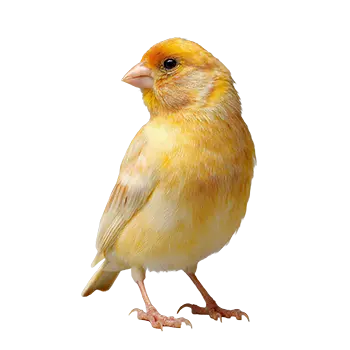

The Border Canary has been a fixture of avicultural publishing since the late 19th century, when the formalization of canary breeds coincided with a flourishing market for specialist periodicals and handbooks. Early publications such as Cage Birds and Bird Fancy in the United Kingdom devoted regular coverage to Border Canary shows, breeding advice, and profiles of prominent fanciers. These periodicals served as essential communication channels in an era before electronic media, connecting breeders across the country and establishing a shared vocabulary for discussing the breed's finer points.
Dedicated canary breeding manuals from the early and mid-20th century frequently featured the Border Canary as a recommended breed for beginners, praising its hardy constitution and tractable temperament while providing detailed guidance on selection, pairing, and conditioning for exhibition. Authors such as C.A. House, whose comprehensive canary guides remained in print for decades, treated the Border as one of the cornerstone type breeds and devoted substantial chapters to its standard, color varieties, and show preparation. These texts helped codify breeding knowledge that had previously been transmitted orally within local fancier communities.
More recent avicultural literature has continued to give the Border Canary prominent attention. G.T. Dodwell's authoritative works on canary varieties, widely regarded as essential references in the English-speaking canary world, include detailed treatments of the Border's history, standard, and breeding management. Specialist titles published by canary breed clubs, including the Border Fancy Canary Club's own handbooks and yearbooks, provide focused guidance that reflects the accumulated expertise of generations of dedicated breeders.
The breed also features in broader works on avian husbandry and pet bird care, where it is typically presented as one of the most accessible and rewarding canary breeds for the general keeper. Veterinary texts on cage bird medicine frequently reference the Border Canary when discussing species-typical conditions, nutritional requirements, and reproductive management, reflecting the breed's widespread prevalence in both exhibition and pet settings.