
Ownership & Permit Requirements

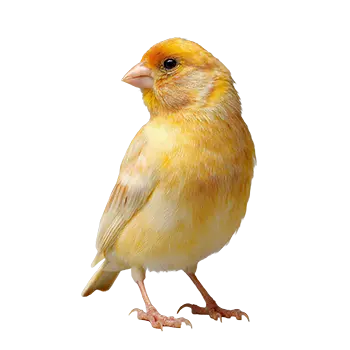
The Border Canary, as a domesticated breed of Serinus canaria domestica, is generally legal to own without special permits in most countries. Unlike many parrot species and other exotic birds that require CITES documentation or species-specific licenses, domestic canaries have been bred in captivity for centuries and are classified as fully domesticated animals in the regulatory frameworks of the United States, the United Kingdom, the European Union, Canada, Australia, and most other jurisdictions where pet bird keeping is common. This straightforward legal status is one of the factors that has contributed to the breed's enduring popularity.

In the United States, no federal permit is required to keep, breed, or sell domestic canaries, including Border Canaries. The Migratory Bird Treaty Act, which restricts the keeping of many native and migratory bird species, does not apply to domesticated canaries. State and local regulations may impose additional requirements, however, and prospective owners should verify the rules applicable in their specific jurisdiction. Some municipalities regulate the number of birds that may be kept on a residential property, particularly in urban or suburban areas, and homeowner association covenants may further restrict bird keeping.

In the United Kingdom, domestic canaries are not listed under the Wildlife and Countryside Act 1981, which governs the keeping of wild birds and certain captive-bred species. Keepers are not required to register their birds or obtain licenses for personal ownership. However, anyone selling birds commercially may be subject to local authority licensing requirements under the Animal Welfare (Licensing of Activities Involving Animals) (England) Regulations 2018 or equivalent legislation in Scotland, Wales, and Northern Ireland. These regulations are designed to ensure that commercial breeders and sellers meet minimum standards of animal welfare.

Australian regulations are somewhat more complex due to the country's strict biosecurity framework. While domestic canaries are legal to keep in all Australian states and territories, some jurisdictions require keepers to obtain a basic bird keeping license or to register their aviary. These requirements reflect Australia's broader approach to managing captive bird populations and preventing the establishment of non-native species in the wild. Prospective Border Canary owners in Australia should consult their state or territory wildlife authority for current licensing requirements.

Breeding & Sale Regulations

Breeding Border Canaries for personal enjoyment or exhibition is generally unregulated in most jurisdictions, provided that basic animal welfare standards are met. However, the transition from hobby breeding to commercial sale introduces a layer of regulatory requirements that breeders should understand before offering birds for sale. In many countries, the distinction between hobby and commercial breeding is defined by the volume of sales, the regularity of breeding activity, or whether the breeder derives income from the sale of birds.

In the United Kingdom, the Animal Welfare (Licensing of Activities Involving Animals) (England) Regulations 2018 require anyone who breeds and sells pets as a business to obtain a license from their local authority. The threshold for what constitutes a business is assessed on a case-by-case basis, but regular breeding for sale, advertising birds for sale, and maintaining a significant number of breeding pairs are all factors that may trigger the licensing requirement. Licensed breeders are subject to inspection and must comply with conditions relating to housing, hygiene, veterinary care, and record keeping.

In the United States, the regulatory landscape for bird breeders varies significantly by state. Some states require breeders who sell birds to obtain a breeder's license or a pet dealer's permit, while others have no specific licensing requirements for small-scale bird breeding. The United States Department of Agriculture's Animal Welfare Act does not generally regulate the breeding or sale of birds not covered by the Act's definition of regulated species, which excludes most domesticated cage birds. However, state veterinary authorities may require health certificates or inspection for birds sold across state lines.

Tax obligations represent another legal consideration for Border Canary breeders who sell birds. In most jurisdictions, income derived from the sale of animals is subject to taxation, and breeders who operate at a scale that generates meaningful revenue should maintain accurate financial records and report their income accordingly. Sales tax or value-added tax may also apply to bird sales, depending on the jurisdiction and the volume of transactions. Breed clubs and avicultural societies often provide guidance to members on navigating these financial and regulatory obligations.

Consumer protection laws may also apply to the sale of Border Canaries. In many jurisdictions, sellers are required to provide accurate descriptions of the birds they offer, including any known health conditions or genetic background. Misrepresentation of a bird's breed, age, sex, or health status can expose a seller to legal liability, and the emergence of online sales platforms has heightened the importance of transparency and good faith in commercial transactions.

Animal Welfare Legislation

The welfare of captive birds, including Border Canaries, is governed by animal welfare legislation in most developed countries. These laws establish minimum standards of care and impose penalties for neglect or cruelty. While the specific provisions vary between jurisdictions, the general principles are broadly consistent: keepers must provide adequate food, water, shelter, veterinary care, and an environment that allows the animal to exhibit normal behaviors.

In the United Kingdom, the Animal Welfare Act 2006 imposes a duty of care on anyone responsible for an animal, requiring that the animal's needs are met to the extent required by good practice. For Border Canaries, this means providing an appropriately sized cage or flight enclosure, a balanced diet, access to clean water, and protection from environmental extremes. The Act also requires that the animal is protected from pain, suffering, injury, and disease, and that it is able to exhibit normal behavior patterns. Failure to meet these requirements can result in prosecution and penalties including fines and disqualification from keeping animals.

The European Union's framework for animal welfare, while primarily focused on farmed and laboratory animals, establishes general principles that member states apply to companion animals through national legislation. Several EU countries have enacted specific regulations governing the housing and care of captive birds, including minimum cage dimensions, requirements for natural light and ventilation, and prohibitions on certain practices deemed harmful to avian welfare. Border Canary keepers in EU member states should familiarize themselves with the national and regional regulations applicable to their location.

In the United States, animal cruelty and neglect laws are primarily enacted at the state level, and the protections they afford to captive birds vary considerably. Some states have detailed anti-cruelty statutes that explicitly include birds, while others rely on more general provisions that courts have interpreted to cover avian species. The Animal Legal Defense Fund and other advocacy organizations have worked to strengthen protections for captive birds, and the legal landscape continues to evolve. Responsible Border Canary owners should be aware of the welfare laws in their jurisdiction and ensure that their husbandry practices meet or exceed the legal requirements.

Beyond statutory requirements, breed clubs and avicultural organizations have established voluntary codes of practice that often exceed the minimum legal standards. The Border Fancy Canary Club and affiliated societies promote responsible husbandry through published guidelines, mentorship programs, and the expectation that members maintain their birds to a standard befitting the breed's heritage. Adherence to these voluntary standards is not legally enforceable, but it reflects the culture of care and accountability that characterizes the best of the Border Canary community.

Import, Export & Quarantine Rules

The international movement of Border Canaries is subject to a complex framework of import, export, and quarantine regulations that reflect both animal health concerns and broader biosecurity priorities. While domestic canaries are not subject to CITES restrictions, as they are fully domesticated and not considered a threatened species, the transport of live birds across international borders is nonetheless regulated by veterinary and agricultural authorities in both the exporting and importing countries.

The European Union maintains a harmonized framework for the movement of pet birds between member states, requiring that birds be accompanied by a health certificate issued by an authorized veterinarian. This certificate must attest that the birds are free from avian influenza and other notifiable diseases, and in some cases that they have undergone testing or vaccination. Movement of birds from non-EU countries into the EU is subject to additional requirements, including potential quarantine periods and testing protocols that vary depending on the country of origin and the disease status of that region.

The United States imposes its own set of import requirements through the USDA's Animal and Plant Health Inspection Service (APHIS) and the Centers for Disease Control and Prevention (CDC). Birds imported into the United States must generally undergo a quarantine period of at least 30 days at a USDA-approved facility, during which they are tested for avian influenza and other diseases of concern. Import permits must be obtained in advance, and the birds must be accompanied by veterinary health certificates from the country of origin. These requirements apply regardless of whether the birds are intended as personal pets, breeding stock, or exhibition entries.

Australia maintains some of the strictest biosecurity regulations in the world, and the importation of live birds is heavily restricted. In general, the importation of domestic canaries into Australia is not permitted under current biosecurity protocols, which are designed to prevent the introduction of exotic avian diseases such as Newcastle disease and avian influenza strains not present in the Australian bird population. This restriction means that the Australian Border Canary population is essentially closed, relying on the existing domestic gene pool. Australian breeders have adapted to this constraint by maintaining careful breeding records and engaging in strategic pairings to maximize genetic diversity within the available stock.

Exporting Border Canaries also requires compliance with the regulations of both the country of origin and the destination country. Breeders who wish to sell or transfer birds internationally must navigate a potentially lengthy process of obtaining health certifications, export permits, and import approvals, and must arrange transport through carriers licensed to handle live animals. The logistical complexity and cost of international bird shipment can be significant, and breeders are advised to plan well in advance and consult with both veterinary professionals and customs authorities to ensure full compliance.

Exhibition & Show Regulations

The competitive exhibition of Border Canaries is governed by a layered framework of rules established by breed clubs, national avicultural federations, and international bodies such as the Confederation Ornithologique Mondiale (COM). These regulations address a wide range of matters, from entry eligibility and bird identification to judging standards and the use of color-enhancing supplements, and they carry significant implications for exhibitors who wish to compete at recognized shows.

Bird identification is a central regulatory concern in the exhibition world. In many countries, show birds must be fitted with a closed, coded leg ring that is applied during the first few days of life and cannot be removed or replaced without damage. These rings, issued by authorized breed clubs and national federations, serve as proof of the bird's identity, year of birth, and breeder of origin. Exhibition regulations typically specify the ring sizes, issuing authorities, and coding systems that are accepted at sanctioned shows, and birds presented with incorrect, missing, or tampered rings may be disqualified.

The use of color-enhancing supplements, particularly carotenoid-based color food fed during the molt to intensify red and orange plumage tones, is regulated differently across jurisdictions and show circuits. Some organizations permit color feeding and evaluate birds accordingly, while others restrict or prohibit the practice for certain color classes. Border Canary exhibitors must be aware of the rules governing color feeding at each show they enter, as violations can result in disqualification and reputational damage within the exhibiting community.

Biosecurity and disease prevention protocols are increasingly prominent features of show regulations. Many shows require exhibitors to submit health declarations or certificates of veterinary inspection, and some impose testing requirements for specific diseases, such as avian polyomavirus or Chlamydia psittaci, before birds may enter the show hall. These measures reflect growing awareness of the disease transmission risks inherent in gathering large numbers of birds from diverse origins in a confined space, and they represent a significant evolution in show governance.

Exhibition regulations also address the welfare of birds during transit to and from shows and during the show itself. Standards for transport containers, ventilation, and provision of food and water are specified by many show organizers, and judges may penalize or disqualify birds that appear to be in poor health or condition. The ethical dimension of exhibition, balancing competitive ambition with the wellbeing of the birds, is a topic of ongoing discussion within the Border Canary community and the broader avicultural world.

Emerging Legal Trends & Considerations

The legal landscape affecting Border Canary ownership and breeding continues to evolve in response to changing public attitudes toward animal welfare, environmental protection, and biosecurity. Several emerging trends are worth monitoring for their potential impact on the Border Canary community, even where they have not yet resulted in enacted legislation.

Animal sentience legislation, which formally recognizes animals as sentient beings capable of experiencing pain, pleasure, and emotional states, has been enacted or is under consideration in a growing number of jurisdictions. The United Kingdom's Animal Welfare (Sentience) Act 2022 established the Animal Sentience Committee, which is tasked with reviewing government policy to ensure that animal welfare considerations are taken into account. While this legislation does not directly alter the legal requirements for keeping canaries, it signals a direction of travel that may eventually lead to more detailed and prescriptive welfare standards for captive birds.

Biosecurity concerns, heightened by periodic outbreaks of avian influenza and other transboundary animal diseases, have prompted regulatory agencies in several countries to tighten controls on the movement of captive birds. Temporary movement restrictions, mandatory reporting of bird deaths, and enhanced surveillance programs have been implemented during disease outbreaks, and some commentators have suggested that permanent registration or traceability requirements for captive bird populations may be introduced in the future. Such measures would have significant practical implications for Border Canary breeders and exhibitors.

Online sales regulation is another area of active development. The growth of internet-based marketplaces for live animals has outpaced the development of regulatory frameworks governing such transactions, and several jurisdictions are considering or have enacted legislation aimed at ensuring consumer protection and animal welfare in online animal sales. Requirements for seller identification, accurate advertising, and post-sale return policies may increasingly apply to Border Canary transactions conducted through online platforms.

Finally, the intersection of animal welfare law and housing regulations deserves attention. As urbanization continues and residential density increases in many parts of the world, local authorities may impose additional restrictions on the keeping of birds in apartments, condominiums, and other multi-unit dwellings. Noise considerations, even though canaries are far quieter than most parrot species, and concerns about allergens or disease transmission in shared living spaces may influence future regulatory decisions. Border Canary owners in urban settings should stay informed about local ordinances and engage constructively with neighbors and housing authorities to maintain the right to keep their birds.

Always consult a qualified professional before making any health-related decisions. This content is provided for informational reference only and should not replace professional guidance specific to your animal.