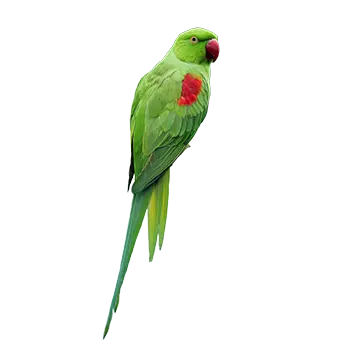

Car Travel

Traveling by car with an Alexandrine Parakeet requires thoughtful preparation to ensure the bird's safety and comfort throughout the journey. The most important consideration is a sturdy, appropriately sized travel carrier. Because the Alexandrine is a large parakeet with a long tail, standard small-bird carriers are inadequate. Choose a carrier that allows the bird to turn around comfortably and that accommodates its tail without bending or damaging the feathers. Hard-sided carriers are generally preferable to soft-sided options, as they provide better protection in the event of sudden stops.

Secure the carrier in the vehicle using a seatbelt or by placing it on the floor behind a front seat where it is least likely to shift during transit. Never place a bird carrier in the front seat where it could be struck by an airbag, and never leave a bird unattended in a parked car, as temperatures inside a closed vehicle can rise to dangerous levels within minutes, even on mild days. Alexandrine Parakeets are sensitive to both heat and cold, and maintaining a comfortable ambient temperature in the vehicle is essential.

Before embarking on a long car trip, acclimate your Alexandrine to the travel carrier over several days or weeks. Allow the bird to explore the carrier at home with the door open, and offer treats and favorite foods inside to create positive associations. Short practice drives around the neighborhood can help the bird adjust to the motion and sounds of vehicle travel before a longer journey.

During the drive, keep the environment as calm as possible. Avoid loud music, sudden honking, and erratic driving. Covering the carrier partially with a light, breathable cloth can help reduce visual stimulation and keep the bird calm, though the cloth should never fully obstruct airflow. Offer water during rest stops, and provide small amounts of familiar food. Some birds may refuse to eat or drink while the vehicle is in motion, which is normal for short trips but should be monitored carefully on longer journeys.

Plan your route with regular rest stops where you can check on the bird, offer food and water, and allow for brief periods of quiet. If the journey spans multiple days, secure overnight accommodations that permit birds and set up a small temporary cage or allow supervised time outside the carrier in a safe, enclosed room. The familiarity of a favorite toy or a piece of fabric from the home cage can provide comfort during overnight stays.

Air Travel

Air travel with an Alexandrine Parakeet is possible but involves significant planning and strict adherence to airline policies, which vary widely between carriers. Some airlines allow small birds in the cabin in approved carriers that fit under the seat, but the Alexandrine's size may exceed cabin carry-on limits for certain airlines. Cargo transport is the alternative, though it carries additional risks and stresses for the bird. Research airline-specific bird policies thoroughly before booking any flight.

If cabin travel is permitted, you will need an airline-approved carrier that meets the specific dimensional requirements of your airline. The carrier must be well-ventilated, leak-proof, and secure enough to prevent escape. Contact the airline well in advance, as most carriers limit the number of pets allowed in the cabin per flight, and advance reservations are typically required. Be prepared to pay a pet fee, which varies by airline and route.

For cargo transport, the bird will travel in the pressurized, temperature-controlled cargo hold of the aircraft. The International Air Transport Association (IATA) publishes Live Animals Regulations that specify container requirements, labeling standards, and care protocols for animals transported by air. Ensure that the shipping container meets IATA standards and that the airline has a strong track record for live animal transport. Avoid routing through extreme climates or during peak summer and winter months when tarmac temperatures can pose risks to animals in transit.

Health documentation is a critical component of air travel with any bird. Most airlines and destination jurisdictions require a veterinary health certificate issued within a specified timeframe before departure, often within 10 days. International flights may additionally require CITES documentation, import permits, and compliance with destination-country quarantine regulations. Begin assembling paperwork well in advance, as obtaining all necessary documents can take weeks or even months.

The stress of air travel can be considerable for Alexandrine Parakeets, and owners should weigh the necessity of the trip against the potential impact on the bird's wellbeing. If travel is unavoidable, consult with an avian veterinarian beforehand to discuss any precautions, including whether mild sedation or anti-anxiety measures are appropriate. Some veterinarians advise against sedation for birds during air travel due to the unpredictable effects of altitude and pressure changes on sedated animals.

Pet-Friendly Accommodations

Finding accommodations that welcome birds, particularly a large parakeet like the Alexandrine, requires more research than locating dog- or cat-friendly lodging. Many hotels and rental properties that advertise pet-friendly policies are referring primarily to dogs and may not accept birds. Always contact the accommodation directly to confirm that your specific type of pet is welcome, and request written confirmation of the bird policy to avoid surprises at check-in.

When booking accommodations, inquire about any additional pet fees, deposits, or restrictions. Some properties may require a damage deposit for bird owners due to concerns about noise, droppings, or damage to furnishings. Be prepared to discuss the bird's noise level and behavior to reassure property managers. Providing context about the Alexandrine's temperament and your experience as a bird owner can help smooth the booking process.

Upon arrival, set up a safe space for the bird in the room. Bring a collapsible travel cage or a portable perch stand that gives the bird a secure area outside its transport carrier. Inspect the room for potential hazards, including open windows without screens, ceiling fans, exposed wires, and toxic houseplants. Close all windows and doors before allowing the bird any supervised time outside its cage, and cover mirrors and large glass surfaces that the bird might fly into.

Vacation rental platforms can be a good alternative to traditional hotels for bird owners. Entire-home rentals offer more space, greater privacy, and fewer noise concerns from neighboring guests. Look for rentals with a separate room that can serve as a dedicated bird space, and communicate clearly with the host about your plans to bring a bird. Leaving the accommodation cleaner than you found it and being transparent about having a bird will help maintain positive relationships with hosts and keep these options available for future bird-traveling guests.

Boarding & Pet Sitting

When travel without your Alexandrine Parakeet is the best option, arranging appropriate care at home or at a boarding facility is essential. Alexandrines are intelligent, social birds that form strong bonds with their owners, and being left in unfamiliar surroundings with unfamiliar people can cause significant stress. The best outcomes generally result from having a trusted, bird-experienced pet sitter care for the bird in its own home, where it can maintain its routine and remain in familiar surroundings.

If hiring a pet sitter, choose someone with specific experience caring for parrots or large parakeets. General pet sitters who primarily work with dogs and cats may not be familiar with the unique needs of birds, including dietary requirements, cage cleaning protocols, out-of-cage time expectations, and the signs of illness in avian species. Provide the sitter with detailed written care instructions, your avian veterinarian's contact information, and emergency procedures.

Bird boarding facilities are a less common but growing option in many areas. When evaluating a boarding facility, visit in person to assess cleanliness, noise levels, cage sizes, and the staff's apparent knowledge of bird care. Ask whether the facility houses birds separately from mammals, as the presence of predator species can cause chronic stress in birds even when they are not in direct contact. Confirm that the facility has an established relationship with an avian veterinarian in case of medical emergencies.

Regardless of the care arrangement you choose, prepare your Alexandrine for the transition. Leave familiar items such as favorite toys, a piece of clothing with your scent, and the bird's regular food with the caregiver. Maintain the bird's usual light and dark schedule as closely as possible, as disruptions to circadian rhythms can affect mood and health. For extended absences, consider whether video calls or recorded voice messages from you might provide comfort, as some parrot owners report that their birds respond positively to hearing their owner's voice during separations.

Emergency Preparedness

Emergency preparedness is a critical but often overlooked aspect of responsible Alexandrine Parakeet ownership. Natural disasters, house fires, power outages, and other emergencies can strike with little warning, and having a plan that includes your bird can make the difference between a stressful but manageable situation and a tragic one. Every bird owner should maintain a ready-to-go emergency kit and a written evacuation plan that accounts for the bird.

An emergency kit for an Alexandrine Parakeet should include a sturdy travel carrier, a minimum three-day supply of the bird's regular food, bottled water, any medications the bird takes, a copy of veterinary records and proof of ownership, a recent photograph of the bird for identification purposes, a basic first-aid kit appropriate for birds, and contact information for avian veterinarians along potential evacuation routes. Store the kit in an easily accessible location and check it periodically to replace expired food and medications.

Identification is particularly important in emergency situations. While birds cannot wear collar tags like dogs, options for identifying an Alexandrine Parakeet include closed leg bands applied during the juvenile period and microchip implants placed by an avian veterinarian. Both methods can help reunite lost birds with their owners. Maintain clear, current photographs of the bird that show distinctive markings, and keep records of the bird's band number or microchip number in a secure, accessible location separate from the bird.

Know in advance which emergency shelters in your area accept pets, including birds. Not all pet-friendly shelters accommodate avian species, and arriving at a shelter with a large parakeet and no prior arrangement can create complications during an already stressful time. Local bird clubs and avicultural societies may also maintain networks of members willing to provide emergency foster care for birds during disaster situations. Establishing these connections before an emergency occurs is far more effective than trying to arrange care in the midst of a crisis.

For owners in areas prone to specific types of natural disasters, additional precautions may be warranted. In hurricane or tornado zones, identify the safest interior room in your home where the bird can be sheltered during severe weather. In earthquake-prone areas, secure the bird's cage to prevent it from toppling. In regions subject to wildfires, air quality is a particular concern for birds, whose respiratory systems are far more sensitive than those of mammals. Having a plan to evacuate early and access to portable air filtration can help protect your Alexandrine during smoke events.

Always consult a qualified professional before making any health-related decisions. This content is provided for informational reference only and should not replace professional guidance specific to your animal.