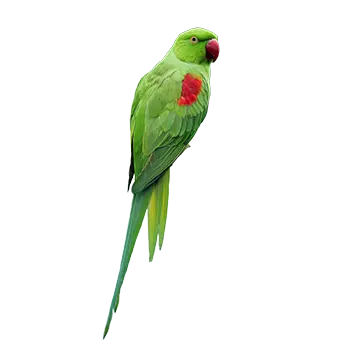

The Alexandrine Parakeet has made appearances in film and television primarily through nature documentaries and wildlife programming. Productions exploring the biodiversity of South and Southeast Asia frequently feature the species, showcasing its striking green plumage and impressive size against the backdrop of its native forests and agricultural landscapes. These documentary appearances have introduced global audiences to the Alexandrine and helped distinguish it from the more commonly depicted smaller parakeet species.
Indian cinema, which produces more films annually than any other national film industry, has occasionally featured Alexandrine Parakeets in scenes depicting traditional households, palace settings, and rural life. The bird's long-standing cultural significance in India makes it a natural choice for filmmakers seeking to evoke a sense of heritage and connection to the natural world. While the Alexandrine is rarely a central character in these productions, its presence serves as an authentic cultural detail recognized by domestic audiences.
Wildlife television series focused on urban ecology have also highlighted feral Alexandrine Parakeet populations in European cities, particularly in the United Kingdom, the Netherlands, and Belgium. These segments explore the surprising sight of large tropical parakeets thriving in temperate urban environments, often framing the birds as charismatic and slightly incongruous residents of parks and suburban gardens. The visual contrast between the vivid green birds and gray European cityscapes makes for compelling television.
Nature and animal channels have produced dedicated segments on parrot intelligence and behavior that include Alexandrine Parakeets among the species studied. These programs often demonstrate the bird's problem-solving abilities and vocal talents, contributing to a broader public appreciation of parrot cognition and helping potential owners understand the species' intellectual needs.