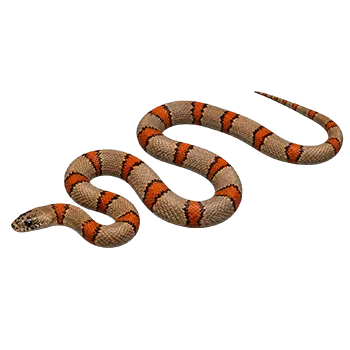

The Gray-Banded Kingsnake is a modestly sized colubrid native to the arid limestone canyons and rocky hillsides of the Chihuahuan Desert region spanning western Texas and northern Mexico. In the wild, Lampropeltis alterna is a specialist predator of lizards, particularly small species such as side-blotched lizards, banded geckos, and various skinks that share its rocky habitat. It also consumes small rodents, lizard eggs, and occasionally other small snakes when the opportunity arises. This strong natural preference for lizard prey is one of the defining nutritional considerations for captive keepers, as many hatchling and juvenile Gray-Banded Kingsnakes initially refuse rodent prey unless specific scenting techniques are employed.
Caloric demands for the Gray-Banded Kingsnake are modest compared to larger constrictors. Adults rarely exceed four feet in length and maintain a lean, muscular body condition on a relatively infrequent feeding schedule. A healthy adult typically consumes one appropriately sized mouse every seven to fourteen days depending on the individual's metabolism, activity level, and ambient temperature. Overfeeding is a genuine concern with this species because captive specimens have access to prey far more readily than their wild counterparts, which may go weeks between successful hunts in the sparse desert environment. An obese Gray-Banded Kingsnake develops visible fat deposits along the spine and sides, and excess weight contributes to fatty liver disease and shortened lifespan.
Protein and fat balance shifts across the animal's developmental stages. Hatchlings emerging at roughly eight to ten inches in length have high metabolic rates and benefit from feeding every five to seven days on pinky mice or appropriately sized lizard-scented prey. Juveniles transitioning through their first year should receive meals every seven to ten days as growth rates begin to moderate. Sub-adults and adults settle into a maintenance schedule of one meal every ten to fourteen days, with seasonal reductions during the cooler months when many keepers provide a brumation period that mimics the species' natural winter dormancy.
Hydration plays an important role in the overall nutritional health of this desert-adapted species. Although the Gray-Banded Kingsnake originates from arid environments, it is most active during and after rain events in the wild, when humidity spikes and prey activity increases. In captivity, a clean water dish should be available at all times, and the snake should be observed periodically to confirm it is drinking. Mildly dehydrated kingsnakes exhibit wrinkled skin, sunken eyes, and sluggish behavior. During the pre-shed period, slightly elevated humidity and accessible water support proper hydration of the developing skin layer beneath the old epidermis.