
Nutritional Needs

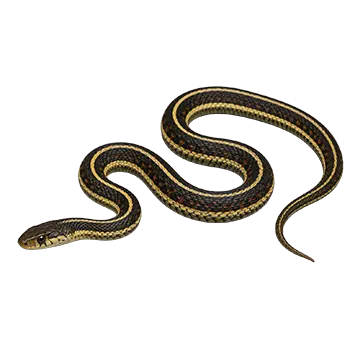
The Common Garter Snake occupies a unique nutritional niche among popular pet snake species. Unlike the majority of commonly kept colubrids and boids that thrive on a rodent-based diet, Thamnophis sirtalis is a generalist predator whose wild diet centers on earthworms, amphibians, fish, slugs, and occasionally small rodents. This dietary diversity is not merely an interesting natural history footnote — it is a fundamental consideration that shapes every feeding decision a keeper must make. Garter snakes possess a metabolism that is distinctly faster than that of many comparably sized snakes, and their digestive systems are adapted to process frequent, smaller meals rather than infrequent large ones.

Caloric and protein demands in the Common Garter Snake are moderate but consistent. An adult garter snake in good condition requires feeding two to three times per week, a schedule that would be excessive for a corn snake or ball python of similar mass but reflects the garter snake's higher metabolic rate and active lifestyle. Neonates and juveniles should be fed every other day to support the rapid growth that characterizes their first year. Overfeeding is less of a concern with garter snakes than with many other species because of their elevated activity levels and fast metabolism, but it remains possible and manifests as visible fat deposits along the lower third of the body.

The nutritional profile that garter snakes require differs from the rodent-centric model that dominates reptile keeping. Whole fish and earthworms provide different ratios of protein, fat, calcium, and phosphorus than whole rodents. Fish are comparatively lean and rich in omega-3 fatty acids but lower in calcium unless consumed whole with bones intact. Earthworms offer excellent protein and moisture content but are low in fat and calcium. This means that a garter snake diet built around a single prey type will almost certainly develop nutritional gaps over time, making dietary variety not a luxury but a necessity.

Hydration is critically important for Common Garter Snakes, which in the wild are strongly associated with moist habitats near ponds, streams, marshes, and wet meadows. Their prey items — fish, amphibians, earthworms — all carry high moisture content, which contributes significantly to the snake's overall fluid intake. In captivity, a clean water dish large enough for the snake to soak in should be available at all times and refreshed daily. Dehydration in garter snakes progresses quickly due to their relatively high surface-area-to-volume ratio and active metabolism, and it frequently presents as wrinkled skin, sunken eyes, and reluctance to feed.

Choosing the Right Prey

Prey selection for the Common Garter Snake should prioritize variety above all else. A rotation that includes nightcrawlers, appropriately sized whole fish, and occasional pinky mice creates the broadest nutritional base and most closely approximates the dietary diversity these snakes experience in the wild. No single prey item delivers everything a garter snake needs, so building a rotation schedule that cycles through multiple prey types on a weekly basis is the most effective feeding strategy a keeper can employ.

Earthworms — specifically large nightcrawlers of the species Lumbricus terrestris — are the backbone of most captive garter snake diets and for good reason. They are readily available at bait shops and online suppliers, easy to store, inexpensive, and enthusiastically accepted by virtually every Common Garter Snake regardless of age or origin. Nightcrawlers are rich in protein and moisture, making them an excellent staple prey item. For neonates that cannot manage a full nightcrawler, cutting the worm into manageable segments ensures the snake can feed without difficulty. Red wigglers (Eisenia fetida) should be avoided as a primary food source because they secrete a bitter, potentially irritating coelomic fluid that many garter snakes refuse, and chronic ingestion may cause mild toxicity.

Whole fish represent the second critical pillar of a garter snake diet. Appropriate species include silversides, guppies, mosquitofish, and tilapia strips cut to size. Thiaminase — an enzyme that destroys vitamin B1 — is the primary concern when feeding fish to garter snakes, and it is present in high concentrations in goldfish, rosy red minnows, and several other commonly available feeder fish species. Chronic feeding of thiaminase-rich fish leads to vitamin B1 deficiency, which causes neurological symptoms including tremors, loss of coordination, star-gazing posture, and eventual death if not corrected. Silversides are the safest and most widely recommended feeder fish because they are low in thiaminase and commercially available in convenient frozen packs.

Pinky mice can be offered occasionally to adult Common Garter Snakes and provide an excellent nutritional boost, particularly in terms of calcium and fat-soluble vitamins that fish and earthworms supply in lesser quantities. However, pinky mice should not form the core of a garter snake's diet. Garter snakes that are fed primarily on rodents often develop obesity because the fat content of rodents exceeds what their metabolism is adapted to process at the frequency these snakes require feeding. One pinky mouse every seven to ten days, offered as part of a rotation that includes earthworms and fish, provides the benefits of whole-mammal nutrition without the risks of excess.

Frozen and Prepared Prey Options

Frozen prey offers significant advantages for garter snake keepers in terms of convenience, safety, and nutritional consistency. Frozen silversides are the single most important prepared prey product for any Common Garter Snake keeper to stock. Available from most reptile supply retailers in vacuum-sealed packs, frozen silversides maintain their nutritional quality for six to twelve months when stored at a consistent zero degrees Fahrenheit or below. Thawing should be done in warm water — never in a microwave — and the fish should reach room temperature or slightly above before being offered to stimulate a strong feeding response.

Frozen nightcrawlers are available from some bait suppliers and specialty reptile vendors, though their quality can be inconsistent. The freezing process damages the structural integrity of earthworms more severely than it does fish or rodents, resulting in a mushy texture upon thawing that some garter snakes find less appealing than fresh worms. For this reason, many experienced keepers prefer to maintain a supply of live nightcrawlers rather than relying on frozen stock. Live nightcrawlers can be kept in a refrigerator in a container of moist peat moss or commercially available worm bedding for several weeks, making them nearly as convenient as frozen prey while preserving the texture and movement that stimulates natural feeding behavior.

Frozen pinky mice are widely available and store well for extended periods. When incorporating pinkies into a garter snake's rotation, thaw them in warm water and offer them with tongs to mimic movement. Some garter snakes that have never encountered rodent prey may initially refuse pinky mice, and scenting the pinky with earthworm or fish residue — by rubbing it against a thawed silverside or placing it in a bag with a nightcrawler — often overcomes this reluctance. Pre-killed or frozen-thawed prey eliminates the ethical and practical concerns of live feeding while providing the same nutritional value.

Commercial garter snake diets and sausage-style reptile foods have appeared on the market in recent years, marketed as complete nutritional solutions. While some of these products contain reasonable ingredient lists, they should be treated as supplements to a whole-prey diet rather than replacements. No processed food replicates the full nutritional complexity of whole prey items with intact organs, bones, and skin. Garter snakes that are fed exclusively on processed diets often show diminished feeding responses over time and may develop subtle nutritional deficiencies that whole-prey feeding prevents.

Supplements and Vitamins

Supplementation for the Common Garter Snake is more frequently necessary than for rodent-fed species because the prey items that form the core of a garter snake's diet — earthworms and fish — are comparatively low in calcium. A reptile-specific calcium powder without added phosphorus should be dusted lightly onto prey items at every other feeding for adults and at every feeding for growing juveniles and neonates. The calcium-to-phosphorus ratio in earthworms is roughly one-to-one, which is inadequate for long-term skeletal health, and fish are similarly imbalanced unless consumed whole with bones. Regular calcium supplementation corrects this ratio and prevents the gradual onset of metabolic bone disease.

Vitamin B1 (thiamine) supplementation deserves special attention in any garter snake feeding program that includes fish. Even when keepers conscientiously avoid high-thiaminase species like goldfish and rosy red minnows, occasional thiaminase exposure from less obvious sources can accumulate over time. A reptile-specific B-complex vitamin supplement added to the diet once weekly provides insurance against subclinical thiamine deficiency. Signs of B1 deficiency develop insidiously — mild coordination issues and slightly reduced feeding response may be the only early indicators before full neurological symptoms emerge.

Vitamin D3 supplementation is a subject of ongoing discussion in the garter snake keeping community. Unlike many tropical snake species that are kept in enclosed environments with no access to natural sunlight, Common Garter Snakes are native to temperate North America and are frequently observed basking in the wild. There is evidence suggesting that garter snakes benefit from low-level UVB exposure, which enables endogenous vitamin D3 synthesis and supports calcium absorption. Keepers who provide UVB lighting in the enclosure generally do not need to supplement D3. Those who do not provide UVB should consider a calcium supplement that includes D3, applied sparingly to avoid the risk of hypervitaminosis.

Multivitamin supplementation should be approached conservatively. A reptile multivitamin powder can be applied to prey items once every one to two weeks to fill potential micronutrient gaps, particularly for snakes whose diet relies heavily on one or two prey types. However, excess supplementation — particularly of fat-soluble vitamins A, D, and E — carries real toxicity risks. The most reliable path to complete nutrition remains a varied diet of high-quality whole prey items sourced from reputable suppliers, with targeted calcium and occasional B-complex supplementation addressing the specific shortfalls inherent in a fish-and-earthworm-based diet.

Foods to Avoid

The most dangerous dietary mistake a garter snake keeper can make is feeding thiaminase-rich fish as a staple prey item. Goldfish and rosy red minnows are the most commonly implicated species, but thiaminase is also present in significant quantities in smelt, certain species of herring, and several other freshwater fish. The insidious nature of thiaminase-related B1 deficiency is that it develops gradually, and by the time obvious neurological symptoms appear — persistent head tilts, corkscrew rolling, inability to right themselves, or seizure-like episodes — the damage may be partially irreversible. Keepers who have unknowingly fed thiaminase-rich fish for months must immediately switch to thiaminase-free species and begin aggressive B1 supplementation under veterinary guidance.

Wild-caught prey should be avoided for the same reasons that apply across all captive snake species, but the risks are amplified with garter snakes because their preferred wild prey types are particularly likely to carry parasites and environmental contaminants. Wild-caught earthworms may have been exposed to lawn pesticides, herbicides, or fertilizers. Wild-caught fish may carry internal parasites including tapeworms and nematodes, as well as accumulated heavy metals and agricultural runoff chemicals. Wild-caught amphibians — frogs and toads — present additional dangers because many species secrete toxic skin compounds, and even non-toxic species frequently harbor parasitic infections that can devastate a captive snake's health.

Grocery-store seafood is not an appropriate substitute for purpose-raised feeder fish. Commercially processed fish intended for human consumption has been gutted, filleted, and stripped of the organs and skeletal material that provide critical micronutrients. Additionally, processed fish may contain preservatives, salt, or other additives that are harmful to snakes. Raw shrimp, crab, and other shellfish are entirely inappropriate and offer no nutritional benefit while presenting choking and digestive hazards. If whole fish from a grocery source must be used in an emergency, only unprocessed, unseasoned whole fish such as small smelts should be considered, and only as a temporary measure until proper feeder fish can be obtained.

Large prey items that exceed the width of the snake's body at its widest point should never be offered. While garter snakes are surprisingly capable of consuming prey items that appear disproportionately large, they lack the jaw structure and muscular power of heavy-bodied constrictors and are more susceptible to choking and regurgitation when prey is oversized. Regurgitation events are stressful and dehydrating for garter snakes and can lead to esophageal irritation or secondary infection. Adult mice, large frogs, and oversized fish fillets all fall into the category of prey items that are commonly offered by well-meaning keepers but that exceed safe parameters for this species.

Feeding Tools and Scheduling

Feeding tongs are the single most important feeding tool for garter snake keepers. Stainless steel or rubber-tipped tongs between eight and twelve inches in length allow the keeper to present prey items with lifelike movement while maintaining safe distance from an eager strike. Garter snakes are fast, enthusiastic feeders that often strike at motion near the enclosure opening during feeding time, and tong-feeding prevents accidental bites and reduces the risk of the snake associating the keeper's hands with food. Tongs should be smooth and rounded at the tips to avoid injuring the snake's mouth during a misdirected strike.

Small ceramic or glass feeding dishes are useful for offering earthworms, which tend to crawl away and burrow into substrate if simply dropped into the enclosure. A shallow dish with smooth sides contains the worms and allows the snake to hunt them in a controlled area, reducing the amount of substrate the snake ingests during feeding. Some keepers prefer to feed their garter snakes in a separate, bare-bottomed container to eliminate substrate ingestion entirely, though the stress of relocation can suppress appetite in some individuals and makes this approach less universally recommended than in-enclosure feeding with a dish.

Feeding schedules for Common Garter Snakes should reflect their high metabolism and relatively small prey size. Neonates and juveniles under one year of age should be offered appropriately sized prey every one to two days, which supports the rapid growth rate characteristic of young garter snakes. Sub-adults between one and two years of age can transition to feeding every two to three days. Adults in maintenance mode thrive on a schedule of two to three feedings per week, with prey variety rotated across those feedings — earthworms one day, silversides the next, and a pinky mouse at the end of the week, for example.

Seasonal adjustments to feeding schedules may be appropriate for keepers who cycle their garter snakes through a winter brumation period. In the weeks leading up to brumation, feeding frequency should be gradually reduced and then ceased entirely at least ten to fourteen days before temperatures are lowered, ensuring the digestive tract is completely empty before the snake enters its dormant period. Feeding a snake that has food still digesting in its gut and then lowering temperatures can result in dangerous bacterial decomposition of the prey item inside the snake. Following emergence from brumation, feeding should resume gradually with small, easily digestible items like earthworm segments before returning to the normal rotation and schedule.

Always consult a qualified professional before making any health-related decisions. This content is provided for informational reference only and should not replace professional guidance specific to your animal.