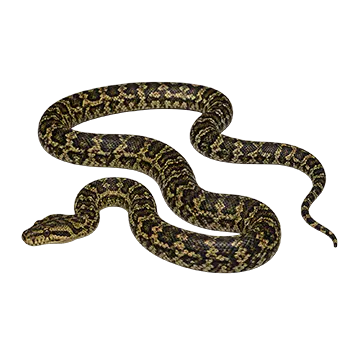

Carpet Pythons are obligate carnivores that derive all of their nutritional requirements from whole prey items. Unlike mammals or birds that may need complex supplementation regimens, snakes consuming intact prey receive a naturally balanced diet that includes protein, fat, calcium, and essential vitamins from the bones, organs, and tissues of their food. Understanding this fundamental aspect of snake biology is the starting point for making informed feeding decisions.
The nutritional demands of a Carpet Python shift across its life stages. Hatchlings and juveniles are in a phase of rapid growth and require more frequent meals relative to their body size. As they mature, their metabolic rate slows and feeding frequency decreases accordingly. Breeding females have elevated caloric and calcium needs in the months leading up to and following egg deposition, and their feeding schedule should be adjusted to support that demand without causing obesity.
One of the most common nutritional pitfalls with Carpet Pythons is overfeeding. Because they are enthusiastic feeders that rarely refuse a meal, keepers sometimes offer prey that is too large or feed on a schedule that is too frequent. Chronic overfeeding leads to obesity, fatty liver disease, and a shortened lifespan. A well-fed Carpet Python should have a smooth, rounded body profile without visible fat rolls or a pronounced triangular cross-section that suggests excess weight.
Calcium-to-phosphorus ratio is naturally balanced in whole prey, but keepers who occasionally offer prey that has been gutted or processed should be aware that the nutritional profile of such items is incomplete. Whole, intact prey remains the gold standard for ensuring that every essential nutrient is delivered in the correct proportion.