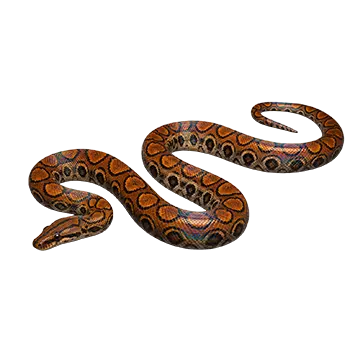

Nutritional Needs

The Brazilian Rainbow Boa is a medium-bodied constrictor native to the humid forests and savannas of South America, and its nutritional requirements reflect the metabolic demands of a species adapted to warm, moisture-rich environments. In the wild, Epicrates cenchria is an opportunistic predator that feeds primarily on small mammals, birds, and the occasional lizard or frog. This dietary profile translates cleanly into a captive feeding program built around commercially available whole-prey rodents, which deliver the complete nutritional package the species requires: protein, fat, calcium from the skeleton, vitamins from the organs, and trace minerals distributed throughout the prey animal's tissues.

Caloric management is a central consideration when feeding Brazilian Rainbow Boas. These snakes have moderate metabolic rates compared to highly active colubrids, and they are prone to obesity when fed too frequently or offered prey that is disproportionately large relative to their body mass. An overweight Brazilian Rainbow Boa develops visible fat deposits along the spine and between the scales, and chronic obesity leads to hepatic lipidosis, reproductive complications, and a measurably shortened lifespan. A healthy specimen should have a rounded triangular cross-section with visible muscle tone and no sagging folds of skin between the lateral scales.

Protein and fat requirements shift across the animal's developmental stages. Neonatal Brazilian Rainbow Boas, which are born at approximately fifteen to twenty inches in length, require small prey items offered frequently to support rapid growth during the first twelve to eighteen months. Juveniles transitioning from pinky mice to larger prey need careful size matching to avoid regurgitation. Adults in maintenance mode require meals spaced further apart, typically every ten to fourteen days, with prey sized to produce only a modest visible lump after ingestion. Breeding females benefit from a slight increase in feeding frequency in the months leading up to ovulation, as follicle development draws heavily on protein and calcium reserves.

Hydration plays an outsized role in the nutritional health of this humidity-dependent species. Brazilian Rainbow Boas originate from environments where ambient moisture is consistently high, and they absorb water both through drinking and through cutaneous uptake facilitated by their microhabitat. In captivity, a clean water bowl large enough for the snake to soak in is essential. Dehydration compromises digestive efficiency, increases the risk of incomplete sheds, and can lead to uric acid accumulation and renal stress. Maintaining enclosure humidity between seventy-five and ninety percent supports hydration at the environmental level, but a fresh water source must always be available regardless of ambient humidity.

Choosing the Right Prey

Prey selection for the Brazilian Rainbow Boa follows a straightforward progression that parallels the animal's growth from neonate to adult. Newborn boas begin on pinky mice, typically one to two per feeding depending on the size of the neonate. Within the first few months, most juveniles graduate to fuzzy mice, then hoppers, and eventually adult mice by the time they reach roughly two feet in length. Sub-adults in the two-to-four-foot range do well on weaned rats or small adult rats, and fully grown adults generally thrive on medium rats offered every ten to fourteen days.

The standard prey-sizing guideline — offering items no wider than the widest point of the snake's body — is a reliable starting framework for Brazilian Rainbow Boas. Unlike some of the larger python species that can safely consume proportionally larger meals, rainbow boas have a more modestly built digestive system, and offering oversized prey increases the risk of regurgitation. Regurgitation is a stressful event that damages the esophageal lining, dehydrates the snake, and requires a mandatory fasting period of at least two weeks before the next feeding attempt. Consistently sizing prey correctly eliminates this risk almost entirely.

Frozen-thawed prey is the strongly preferred feeding method for Brazilian Rainbow Boas. Live prey introduces unnecessary risk to the snake: even a small mouse can bite and scratch, and wounds in the warm, humid conditions that rainbow boas require are especially prone to bacterial infection. Frozen-thawed feeding also eliminates the ethical and logistical burden of maintaining live feeder colonies or making frequent trips to a supplier. Most captive-bred Brazilian Rainbow Boas accept frozen-thawed prey without hesitation from their first meal onward, particularly when the prey is warmed to body temperature and presented with gentle movement using feeding tongs.

Keepers who acquire animals that were previously fed live prey may encounter initial resistance to the switch. Successful transition strategies include warming the prey item in hot water until it reaches approximately one hundred degrees Fahrenheit, braining the prey to release additional scent compounds, and offering it during evening hours when the snake's natural hunting instincts are most active. Dimming the lights and minimizing disturbances in the room during feeding also help. Scenting a frozen-thawed mouse with the bedding of a live rodent can provide the olfactory bridge that convinces a reluctant feeder to strike.

Frozen Prey Options

Sourcing frozen prey for a Brazilian Rainbow Boa is considerably more straightforward than for keepers of giant constrictors, because the prey sizes required — mice through medium rats — are the most commonly produced and widely available feeder items on the market. Dozens of reputable online suppliers ship frozen rodents in bulk across the country, and many local reptile shops and reptile expos carry the sizes needed. This accessibility allows keepers to shop for quality and price without the logistical headaches that accompany sourcing larger prey animals.

Quality indicators for frozen prey are consistent regardless of the supplier. Properly processed feeder rodents should be flash-frozen shortly after humane euthanasia, sealed in airtight packaging, and stored at zero degrees Fahrenheit or below. Upon thawing, a quality prey item should be intact with no discoloration, freezer burn, or unusual odors. Prey that arrives partially thawed during shipping should be discarded immediately rather than refrozen. The thaw-refreeze cycle encourages bacterial proliferation — particularly salmonella and clostridium species — that can cause gastrointestinal infections ranging from mild digestive upset to life-threatening sepsis.

Bulk purchasing is the most cost-effective approach and ensures a consistent supply. A standard home freezer or a small chest freezer dedicated to prey storage accommodates months of supply for a single Brazilian Rainbow Boa at minimal cost. Organizing prey by size and date of purchase facilitates proper stock rotation so that older items are used first. Most frozen rodents maintain acceptable nutritional quality for up to twelve months at consistent sub-zero temperatures, though using stock within six months is the conservative best practice for optimal freshness and nutrient retention.

Variety in prey species, while not strictly necessary, can offer marginal nutritional benefits and may help maintain strong feeding responses in animals that occasionally become disinterested in their usual prey. African soft-furred rats, also known as multimammate mice, are an excellent alternative prey item that many Brazilian Rainbow Boas find irresistible due to their distinct scent profile. Small hamsters and gerbils are also accepted by most rainbow boas and provide slightly different fat-to-protein ratios compared to standard laboratory mice and rats. Rotating between two or three prey species over the course of a year adds dietary diversity without complicating the feeding program.

Supplements and Vitamins

Brazilian Rainbow Boas that consume whole prey on a regular schedule rarely require any form of nutritional supplementation. The whole-prey feeding model is nutritionally self-contained: the skeleton provides calcium and phosphorus in balanced ratios, the liver and other organs deliver fat-soluble vitamins and trace minerals, the muscle tissue supplies complete protein, and the fur or hair contributes indigestible fiber that supports healthy digestive motility. This completeness is precisely why whole-prey feeding is the universal standard in snake husbandry, and it is one of the features that makes snake nutrition comparatively simple relative to the complex supplementation regimens required by many herbivorous and omnivorous reptiles.

Specific circumstances may warrant targeted supplementation. Females that are actively breeding have elevated calcium demands during follicle development and gestation, and lightly dusting prey items with a phosphorus-free calcium powder during this period can help prevent the depletion of the mother's skeletal calcium reserves. Snakes recovering from illness, parasitic infection, or prolonged feeding strikes may benefit from a single application of a reptile-specific multivitamin dusted onto the first few prey items after feeding resumes. In all cases, supplementation should be conservative and ideally guided by a reptile veterinarian who can assess the animal's specific condition.

Fat-soluble vitamin toxicity is a genuine risk when supplementation is administered without veterinary guidance. Vitamins A, D, and E accumulate in the liver and fatty tissues, and repeated over-supplementation can produce hypervitaminosis with symptoms including lethargy, swelling, neurological abnormalities, and in severe cases organ failure. Vitamin D3 supplementation is particularly unnecessary for Brazilian Rainbow Boas, which do not depend on UVB-mediated cutaneous vitamin D synthesis for calcium metabolism. The vitamin D present in whole prey is sufficient to meet the species' needs under normal husbandry conditions.

The most impactful nutritional decision a keeper makes is not whether to supplement but where to source prey. Feeder rodents raised on high-quality diets in clean, well-managed facilities produce prey items with meaningfully better nutritional profiles than rodents from substandard operations. The gut contents of a well-fed mouse or rat contribute vitamins, minerals, and fatty acids that transfer directly to the snake upon ingestion. Investing in prey from reputable breeders who prioritize the health of their feeder colonies is the single most effective way to ensure the nutritional completeness of every meal.

Foods to Avoid

Certain food items pose serious risks to Brazilian Rainbow Boas and must be strictly excluded from the feeding program regardless of how convenient or available they may seem. Wild-caught prey tops the list of prohibited items. Wild rodents, birds, and amphibians carry parasites — including nematodes, cestodes, and pentastomids — that readily transfer to the snake upon ingestion. Beyond parasitic risk, wild prey may have consumed rodenticide bait, pesticide-treated grain, or herbicide-contaminated vegetation. These toxins bioaccumulate in the prey animal's tissues and can cause acute poisoning or chronic organ damage in the snake, often without any outward warning signs until the damage is advanced.

Grocery-store meat products — chicken breasts, ground beef, fish fillets, and similar items — are nutritionally inadequate and physiologically inappropriate for Brazilian Rainbow Boas. These products lack the skeletal calcium, organ-derived vitamins, and complete amino acid profiles that whole prey provides. A snake fed exclusively on boneless meat will develop metabolic bone disease, a progressive and ultimately fatal condition in which calcium is leached from the skeleton to maintain blood calcium levels. The resulting skeletal weakness is particularly dangerous in a constrictor that depends on muscular and skeletal integrity to subdue and consume prey.

Oversized prey is a common and avoidable feeding error. While Brazilian Rainbow Boas are capable constrictors, their moderate body diameter and relatively conservative digestive capacity mean that prey items significantly exceeding the width of the snake's midsection create a genuine risk of regurgitation. A regurgitation event exposes the esophageal lining to corrosive digestive acids, dehydrates the animal, and can precipitate aspiration pneumonia if fluids enter the trachea during the process. Following a regurgitation, the snake must fast for a minimum of two weeks, and the next meal offered should be noticeably smaller than the item that caused the problem.

Feeding multiple small prey items in rapid succession as a substitute for a single appropriately sized item is another practice to avoid. Power feeding — the practice of offering several prey items in a single session to accelerate growth — places excessive strain on the digestive system, promotes unhealthy fat deposition, and has been linked to shortened lifespans in boid species. Brazilian Rainbow Boas are long-lived animals that reach full size over a period of three to four years, and attempting to compress that growth timeline through overfeeding serves no benefit to the animal. A patient, measured feeding schedule produces a healthier, more robust snake with a longer and better quality of life.

Feeding Tools and Schedule

The basic feeding toolkit for a Brazilian Rainbow Boa is simple but essential. A pair of feeding tongs twelve to sixteen inches in length is the most important tool, serving as the interface between keeper and snake during every meal. Tongs allow the keeper to present prey with lifelike movement while keeping hands safely away from the strike zone. Hemostats or forceps also work for smaller prey items offered to neonates and juveniles. The tongs should be stainless steel or durable plastic with smooth, rounded tips that will not puncture the prey item and cause it to leak fluids before the snake strikes.

Prey thawing should follow a consistent and hygienic protocol. The safest method is to transfer frozen prey from the freezer to a refrigerator the night before feeding, allowing it to thaw slowly at a safe temperature. On feeding day, the prey is placed in a sealed plastic bag and submerged in warm water — approximately one hundred to one hundred ten degrees Fahrenheit — for fifteen to twenty minutes until the internal temperature reaches body warmth. Microwaving prey is strongly discouraged because it heats unevenly, creating hot spots that can burn the snake's mouth and esophagus while leaving other areas still partially frozen. The prey should never be thawed at room temperature on the counter for extended periods, as this invites bacterial proliferation on the exterior while the interior remains frozen.

Feeding schedules for Brazilian Rainbow Boas vary by age and body condition. Neonates benefit from meals every five to seven days to fuel their rapid early growth. Juveniles between one and two years of age do well on a seven-to-ten-day feeding cycle. Adults in maintenance mode should be fed every ten to fourteen days, with adjustments made based on body condition, seasonal activity levels, and reproductive status. Many experienced keepers observe that their Brazilian Rainbow Boas voluntarily reduce food intake during the cooler months or during the breeding season, and these natural fluctuations should be respected rather than overridden with forced feeding attempts.

Feeding should take place during the evening or nighttime hours when the snake is naturally most active and alert. Reducing ambient light in the room and avoiding loud noises or sudden vibrations creates an environment conducive to a strong feeding response. Some keepers feed their Brazilian Rainbow Boas inside the enclosure, while others prefer to use a separate feeding container to avoid associating the opening of the enclosure with food delivery. Both methods are valid, though in-enclosure feeding is increasingly favored by experienced keepers because it minimizes the stress of handling the snake before and after meals. Regardless of method, the snake should be left undisturbed for at least forty-eight hours after eating to allow digestion to proceed without interruption.

Always consult a qualified professional before making any health-related decisions. This content is provided for informational reference only and should not replace professional guidance specific to your animal.