
Enrichment for snakes looks fundamentally different from enrichment for mammals or birds, and it is a concept that is still gaining wider acceptance in the reptile keeping community. Snakes do not play with toys in the conventional sense — they do not fetch, chew, or manipulate objects for amusement. Instead, snake enrichment focuses on providing environmental complexity, sensory stimulation, and opportunities to express natural behaviors like climbing, exploring, hunting, and thermoregulating.
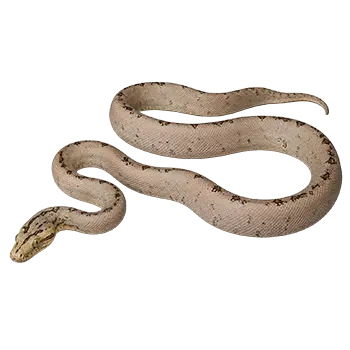
Amazon Tree Boas are particularly good candidates for enrichment because they are active, arboreal predators with complex spatial needs. In the wild, they navigate a three-dimensional canopy environment, selecting ambush sites, adjusting their position in response to temperature and humidity changes, and exploring new routes through shifting vegetation. A barren enclosure with a single perch and a water bowl denies the snake the opportunity to engage in any of these behaviors.
Research on reptile cognition has demonstrated that snakes are capable of spatial learning, habituation, and behavioral flexibility to a degree that was previously underestimated. Enrichment that challenges these capacities — novel objects, rearranged climbing structures, varied sensory input — can reduce stereotypic behaviors, improve feeding response, and contribute to better overall health. The goal is not to entertain the snake in a human sense but to create an environment that engages its natural behavioral repertoire.
A well-enriched enclosure also makes the keeping experience more rewarding for the human. Amazon Tree Boas in complex environments are more visible, more active during their waking hours, and exhibit a broader range of natural behaviors compared to snakes in minimalist setups. Investing in enrichment is a win for both the animal and the keeper.