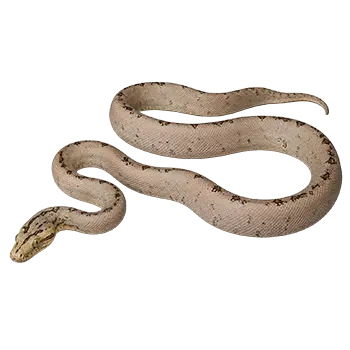

Amazon Tree Boas are obligate carnivores that thrive on a whole-prey diet. In the wild, they are ambush predators that feed primarily on small mammals, birds, and lizards from elevated perches in the rainforest canopy. Replicating this nutritional profile in captivity means offering appropriately sized rodents as the dietary staple, ensuring the snake receives the full complement of proteins, fats, calcium, and other minerals that whole prey provides.
Because these boas are arboreal and generally lean-bodied, their caloric requirements differ from heavy-bodied terrestrial species. Overfeeding is a common mistake that can lead to obesity, fatty liver disease, and a shortened lifespan. A healthy Amazon Tree Boa should have a visible spine ridge without prominent fat rolls along the body. Keepers should aim for a feeding schedule that maintains a trim, muscular build rather than rapid growth.
Younger Amazon Tree Boas have faster metabolisms and require more frequent meals to support healthy development. As the snake matures, the interval between feedings should increase. Nutritional demands also shift slightly during breeding season for females, who may benefit from slightly more frequent meals in the months leading up to ovulation. Understanding these seasonal and life-stage variations is key to providing optimal nutrition.
Water quality is an often-overlooked component of overall nutrition. Amazon Tree Boas originate from humid tropical environments and frequently drink water droplets from leaves. Providing clean, fresh water in an elevated dish or through regular misting ensures proper hydration, which directly affects digestion and nutrient absorption.