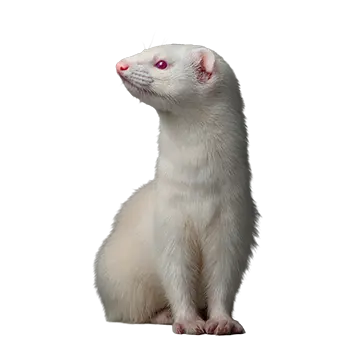

Ferrets are strict obligate carnivores, and the albino ferret is no exception. Unlike omnivorous small mammals that can derive nutrition from a combination of plant matter, seeds, and animal protein, ferrets possess a short gastrointestinal tract that lacks a functional cecum. This anatomical reality means they cannot efficiently digest fiber, complex carbohydrates, or most plant-based nutrients. Their entire digestive system is optimized for the rapid breakdown and absorption of animal proteins and animal fats, with gut transit times averaging just three to four hours from ingestion to elimination. Any feeding plan that ignores this fundamental biology will produce chronic health problems.
The ideal macronutrient profile for an adult albino ferret centers on a minimum of thirty-two to thirty-eight percent crude protein derived from animal sources, paired with fifteen to twenty percent animal-based fat. Protein from poultry, eggs, and organ meats provides the amino acid spectrum ferrets require, including taurine, which is essential for cardiac function and cannot be synthesized in adequate quantities by the ferret's own metabolism. Fat serves as the primary energy source and supports coat condition, hormone production, and fat-soluble vitamin absorption. Ferrets that are fed diets with insufficient animal fat frequently develop dry, brittle coats and low energy levels.
Carbohydrate content should remain as low as possible, ideally below three percent of the total diet on a dry-matter basis. Ferrets lack the metabolic machinery to process starches and sugars efficiently, and chronic consumption of carbohydrate-heavy foods has been strongly associated with insulinoma, a pancreatic tumor that is already one of the most common cancers in domestic ferrets. Every gram of grain, potato starch, or pea protein filler in a commercial kibble represents a nutritional liability rather than a benefit for this species.
Albino ferrets carry an additional consideration that standard-coated ferrets do not. The complete absence of melanin affects not only coat and eye pigmentation but can also influence skin sensitivity and susceptibility to certain dermatological conditions. While the core dietary requirements are identical across all ferret color variants, some breeders and veterinarians report that albino ferrets benefit from slightly elevated levels of omega-3 fatty acids to support skin barrier integrity, since their unpigmented skin is inherently more vulnerable to environmental irritation. Supplemental fish oil or diets that include cold-water fish ingredients may provide marginal protective benefits for the skin and coat.