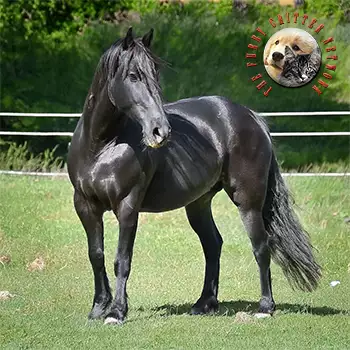

Space Requirements

The Selle Français is a sizable warmblood, with most individuals standing between 15.3 and 17 hands and carrying a proportionally substantial frame. This means that minimum stall dimensions for a standard horse simply do not apply. A stall of 12 feet by 12 feet is the baseline for a Selle Français, and 12 by 14 or even 14 by 14 is preferable for taller individuals. A horse that cannot lie down fully, roll comfortably, or turn without bumping walls is a horse under chronic physical and psychological stress.

Ceiling height in the barn matters more than many facility planners realize. A minimum clear height of 10 feet prevents head injuries and allows adequate air volume for ventilation. The Selle Français is an athletic, alert horse that carries its head high — low doorways and overhead obstructions are genuine hazards, particularly when the horse is startled or excited. Door openings should be at least 4 feet wide and 8 feet tall, with no protruding hardware at head height.

Beyond the stall itself, aisle width influences daily handling safety. A 12-foot aisle allows two horses to pass comfortably and gives handlers room to manage a spirited Selle Français during grooming and tacking. Narrower aisles create pinch points where a reactive horse can injure itself or its handler. Wash stalls, grooming bays, and cross-tie areas should be similarly generous in dimension.

Turnout space is not optional — it is an essential component of housing a sport horse. The Selle Français needs daily turnout for physical and mental health, and paddock size should allow room to trot and canter freely. A bare minimum of a half acre per horse is recommended, with larger acreage preferred. Overcrowded turnout areas lead to increased aggression, parasite loads, and pasture degradation.

Stalls & Barn Infrastructure

Stall construction materials range from traditional wood to steel, aluminum, and modular composite panels. Wood offers a warm, natural aesthetic and absorbs less condensation than metal, but it is susceptible to chewing, rotting, and harboring bacteria in damaged surfaces. Hardwood tongue-and-groove planking is more durable than softwood alternatives, though the cost difference is significant. Metal-framed stalls with mesh or bar upper sections provide excellent ventilation and visibility while resisting chewing damage.

Ventilation is arguably the most critical factor in barn design for sport horses. The Selle Français, frequently stabled for long hours between training sessions, is vulnerable to inflammatory airway disease caused by ammonia, dust, and mold spore accumulation. Ridge vents, cupolas, and adjustable sidewall openings create passive airflow that moves stale air up and out. Supplemental fans may be necessary in hot climates or during still weather, but they should augment natural ventilation rather than replace it.

Flooring within the stall must balance drainage, cushion, and durability. Rubber stall mats over a compacted base of crushed stone or clay provide excellent cushioning for joints and reduce bedding consumption. Mats should be interlocking or tightly fitted to prevent urine from seeping underneath, where it would create persistent ammonia pockets. Without mats, packed clay floors work well but require periodic releveling as horses paw and shift the surface.

Stall hardware deserves careful selection. Latches should be horse-proof — the Selle Français is an intelligent breed, and escapees are not uncommon. Snap-bolt latches or those requiring a two-step motion to open are preferable to simple slide bolts. Water buckets or automatic waterers should be positioned at chest height and recessed or protected so the horse cannot hook a leg or halter on them. Feed tubs mounted at a natural grazing angle reduce neck strain and encourage slower eating.

Bedding & Stall Management

Bedding choice affects respiratory health, hoof condition, labor costs, and waste management. Straw is traditional and widely available but produces more dust and requires more frequent mucking than alternative materials. Horses that eat their straw bedding — a common habit — may consume enough to disrupt their nutritional balance or develop impaction colic. For Selle Français horses with any respiratory sensitivity, straw is generally not the best choice.

Wood shavings are the most popular bedding material for sport horses. Kiln-dried shavings produce less dust than air-dried alternatives, and screened products that remove fine particles offer further respiratory benefits. Pine and spruce shavings are generally safe, but black walnut shavings are toxic to horses and must be avoided entirely — even a small percentage mixed into a load can cause acute laminitis. Always confirm the wood species with your supplier.

Pelleted bedding made from compressed wood fiber offers superior absorbency and odor control in a smaller volume. The pellets break down into a soft, cushioned surface when wet, and the dense packing before use simplifies storage. The initial cost per bag is higher than loose shavings, but the reduced volume needed and longer interval between full strip-outs often make pellets cost-competitive over time.

Regardless of material, daily stall maintenance is non-negotiable. Removing manure and wet spots at least twice daily keeps ammonia levels low and reduces the bacterial load on hooves. A full bedding strip-out and stall disinfection on a regular schedule — weekly to monthly depending on conditions — prevents pathogen buildup. Good stall management is the cheapest form of veterinary prevention available.

Turnout Shelters & Run-In Sheds

Not every Selle Français owner has access to a full barn, and even those who do need shelter options for turnout areas. Run-in sheds provide voluntary weather protection, allowing horses to choose when they seek cover from rain, wind, sun, or insects. A three-sided shelter open to the south or east — away from prevailing winds — is the standard design. Size matters: allow at least 12 by 12 feet per horse, with larger dimensions when multiple horses share the space to reduce conflict at the opening.

Portable and modular shelter kits offer flexibility for properties where permanent construction is impractical or prohibited. Steel-frame shelters with corrugated metal roofing are durable and relatively quick to assemble. Ensure that any portable shelter is anchored securely — a lightweight structure can become a dangerous projectile in high winds. Ground anchors, concrete footings, or weighted skids all serve this purpose depending on the soil type and local building requirements.

Roofing material should provide insulation as well as weather protection. Metal roofing without insulation creates extreme heat under direct sun and amplifies rain noise, both of which can deter horses from using the shelter. A layer of radiant barrier or rigid foam insulation beneath the roof panels significantly reduces heat buildup. Translucent panels in a portion of the roof provide natural light without sacrificing weather protection.

Drainage around the shelter is frequently neglected and frequently regretted. Water pooling at the entrance creates a mud trap that destroys footing, breeds bacteria, and discourages use. Grade the surrounding area to direct water away from the opening, and consider a gravel apron extending several feet beyond the shelter footprint. French drains or swales handle heavier water volumes on sloped or clay-heavy sites.

Fencing & Paddock Setup

Fencing is the most consequential infrastructure decision for horse properties, and the Selle Français's athleticism adds urgency to getting it right. This breed can jump from a standstill, run at significant speed, and react explosively to perceived threats. Fencing must be visible, forgiving on impact, and tall enough to discourage jumping — a minimum of five feet, with many owners preferring 54 to 60 inches for known jumpers.

Board fencing remains the gold standard for horse properties. Three-board or four-board fences built with pressure-treated posts and hardwood rails provide a solid visual barrier and absorb impact without shattering. Boards should be mounted on the inside of posts so that a horse leaning against the fence pushes the board into the post rather than popping it off. Maintenance includes regular inspection for loose nails, splintered boards, and rotting posts — all of which create injury risks.

Polymer and vinyl fencing products offer the visual appeal of traditional board fencing with reduced maintenance. High-quality polymer rails are flexible enough to bend on impact rather than break, reducing laceration risk. However, cheaper products become brittle in cold temperatures and may shatter under stress. Electric wire or tape run along the top rail extends the effective fence height and discourages leaning, reaching, and play-fighting over the fence line.

Wire fencing is acceptable only in specific configurations. Woven no-climb mesh with small openings — two by four inches or smaller — prevents hoof entrapment, which is the primary danger of wire fencing for horses. Standard field wire, barbed wire, and high-tensile single-strand wire are hazardous and should not be used for horse enclosures under any circumstances. If wire mesh is chosen, a top board or rail improves visibility and prevents horses from pushing the mesh down with their necks.

Climate Considerations & Seasonal Adaptations

The Selle Français is adaptable to a range of climates, but its housing should reflect local weather patterns. In cold regions, a well-ventilated barn that blocks wind and precipitation while allowing air exchange protects against respiratory illness without overheating. Closing all barn doors and windows in winter is a common mistake — the resulting ammonia and moisture buildup causes far more harm than cold air. Horses in good body condition with adequate forage grow effective winter coats and tolerate cold temperatures remarkably well.

Heat management is a greater challenge for performance horses than cold. The Selle Français in heavy training generates enormous metabolic heat, and recovery between sessions depends on the ability to dissipate that heat effectively. Barns in warm climates benefit from high ceilings, large roof overhangs that shade the walls, and fans positioned to create consistent airflow through each stall. Misting systems in wash areas and breezeway zones provide evaporative cooling during peak temperatures.

Mud management is a year-round concern in many regions. Chronic exposure to wet, muddy footing causes thrush, scratches, and other hoof and skin infections. High-traffic areas around gates, water troughs, and shelter entrances benefit from a base of geotextile fabric topped with crushed stone or gravel. Sacrifice paddocks — small, engineered turnout areas designed to withstand heavy use — preserve pastures during wet periods while still providing essential daily turnout.

Fly and insect control intersects with housing design in important ways. Screened windows and fan-driven air curtains at barn entrances reduce fly populations inside the barn. Automatic fly spray systems mounted in stalls and aisles provide periodic relief, though they should be used judiciously to minimize chemical exposure. Manure management is the most effective fly control measure — removing waste promptly from stalls, paddocks, and manure storage areas eliminates breeding sites at the source.

Always consult a qualified professional before making any health-related decisions. This content is provided for informational reference only and should not replace professional guidance specific to your animal.