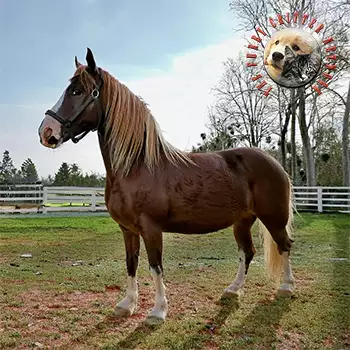

Nutritional Needs

The Peruvian Paso is a medium-framed horse with an efficient metabolism that evolved in the arid coastal and highland regions of Peru. This heritage means the breed generally thrives on moderate-calorie forage without the concentrated energy rations that larger sport breeds demand. Overfeeding is a more common problem than underfeeding, so understanding baseline caloric and nutrient requirements is the first step in choosing the right products.

Because the Peruvian Paso's signature gait — the smooth, four-beat paso llano — relies on sustained muscular coordination rather than explosive power, the diet should emphasize steady energy from fiber and fat rather than quick-burning starches and sugars. A foundation of quality grass hay, supplemented with a ration balancer or vitamin-mineral pellet, covers most of the breed's macro and micro nutrient needs when the horse is in light to moderate work.

Protein requirements for the Peruvian Paso generally fall in the ten-to-twelve percent range for adult horses at maintenance, rising slightly for horses in regular training or breeding stock. Amino acid quality matters more than raw protein percentage, so look for feeds that list specific amino acids such as lysine and methionine on the guaranteed analysis panel. Overloading protein creates unnecessary metabolic strain without improving muscle tone or gait quality.

Mineral balance deserves close attention because many regions have forage that is deficient in selenium, copper, or zinc. A targeted vitamin-mineral supplement formulated for horses helps fill these gaps without adding excess calories. Having your hay tested annually gives you a clear picture of what the forage already provides, making supplement selection far more precise.

What to Look For

When evaluating commercial feeds and supplements for a Peruvian Paso, the ingredient panel tells a more useful story than the marketing label. Look for feeds that list a recognizable forage or grain source as the first ingredient rather than a generic byproduct meal. The guaranteed analysis should clearly state crude protein, crude fat, crude fiber, and key minerals so you can cross-reference with your horse's actual requirements.

Non-structural carbohydrate content is a critical number for this breed. Peruvian Pasos can be prone to metabolic sensitivity, particularly if they carry excess weight or have limited turnout. Feeds with combined starch and sugar levels below twelve percent are generally safer choices. Many manufacturers now print NSC values directly on the tag, and those that do not will usually provide the data on request.

Texture and form factor also influence how well a feed works in practice. Pelleted ration balancers dissolve less readily in feeders exposed to weather, while extruded feeds are easier for older horses or those with dental issues to chew. If you are mixing a supplement into a carrier feed, a textured or lightly molassed product encourages the horse to eat the full dose rather than sorting around unfamiliar pellets.

Finally, consider the manufacturing standards behind the product. Feeds produced in facilities that follow equine-specific quality assurance protocols reduce the risk of cross-contamination with ingredients intended for cattle or poultry, some of which — such as ionophores — are toxic to horses. A clear lot-tracking system and transparent recall history are marks of a trustworthy manufacturer.

Recommended Forage Types

Forage is the cornerstone of any Peruvian Paso feeding program, and the breed does exceptionally well on good-quality grass hay. Timothy, orchard grass, and Bermuda grass hays offer the moderate calorie density and high fiber content that match the breed's metabolic profile. These hays promote healthy hindgut fermentation, keep the horse chewing for extended periods, and reduce the risk of gastric ulcers associated with long gaps between meals.

Alfalfa hay and other legume forages can be used sparingly as a protein and calcium boost, but they should not form the bulk of the diet for most Peruvian Pasos. The higher calorie and protein content of alfalfa can contribute to weight gain and may create mineral imbalances — particularly an inverted calcium-to-phosphorus ratio — if not carefully managed. A small flake of alfalfa at one meal per day, combined with grass hay at all other feedings, is a common and effective compromise.

Hay quality varies enormously by cutting, curing conditions, and storage. When shopping for hay products — whether baled, cubed, or pelleted — look for consistent color, a fresh smell free of dust or mold, and a texture that indicates the hay was cut at an appropriate maturity stage. Overly mature hay is high in lignin and low in digestible nutrients, while hay cut too early may be excessively rich for an easy keeper.

Hay cubes, chopped forage, and soaked hay pellets are useful alternatives for horses with respiratory sensitivities or dental limitations. These products deliver the same nutritional profile as long-stem hay with reduced dust and easier chewing. When using processed forage, ensure the horse still has access to some long-stem fiber to support normal chewing behavior and saliva production.

Concentrates & Grain Options

Many Peruvian Pasos in light to moderate work do not need a traditional grain-based concentrate at all. A ration balancer — a low-intake, nutrient-dense pellet — provides essential vitamins, minerals, and amino acids without the excess calories that come with a full grain ration. Ration balancers are specifically designed for easy keepers and horses that maintain weight on forage alone, making them an ideal fit for the breed.

For horses in heavier training, breeding programs, or those recovering from illness, a controlled amount of a low-starch commercial feed can supply additional energy. Look for products that derive most of their calories from fat and fermentable fiber sources such as beet pulp, soy hulls, or rice bran rather than from corn, oats, or barley. Fat-based energy is released more gradually, which produces a steadier temperament and reduces the hormonal spikes associated with high-glycemic feeds.

If you do feed a grain-based concentrate, portion control is essential. Dividing the daily grain ration into two or three small meals rather than one large feeding reduces the risk of hindgut acidosis, which occurs when undigested starch reaches the cecum and disrupts the microbial environment. No single grain meal should exceed five pounds for a horse of the Peruvian Paso's typical frame.

Straight grains — whole oats, cracked corn, or barley — are less common in modern feeding programs but remain options for owners who prefer simpler ingredient lists. Among the straight grains, whole oats offer the safest starch profile because their hull slows digestion and their glycemic impact is lower than corn. Regardless of grain choice, always introduce new concentrates gradually over seven to ten days to give the gut microbiome time to adapt.

Treats & Supplements

Treats serve as training rewards and bonding tools, but they should remain a minor fraction of the Peruvian Paso's daily caloric intake. Commercial horse treats vary widely in sugar content, so reading the label matters. Low-sugar options based on flaxseed, oat flour, or dehydrated fruits offer palatability without the metabolic downsides of molasses-heavy biscuits. Homemade treats made from soaked hay pellets, a drizzle of oil, and a small amount of unsweetened applesauce can be just as appealing and far cheaper.

Joint supplements containing glucosamine, chondroitin, and hyaluronic acid are popular among Peruvian Paso owners who want to support long-term soundness. The breed's smooth gait places less concussive stress on joints than a trotting breed, but repetitive lateral movement still loads the hocks and stifles in specific patterns. Starting a joint supplement in early adulthood, before clinical signs of wear appear, is a common preventive strategy.

Hoof supplements built around biotin, methionine, and zinc can benefit Peruvian Pasos with slow hoof growth or brittle hoof walls. Results from biotin supplementation typically take six to nine months to become visible because the supplement supports new growth rather than repairing existing horn. Consistency is more important than dosage escalation — a moderate daily amount taken without interruption outperforms sporadic high doses.

Digestive support products such as prebiotics, probiotics, and yeast cultures help stabilize the hindgut environment, particularly during feed transitions, travel, or antibiotic treatment. These supplements are not a substitute for sound feeding practices, but they can provide a useful buffer during periods of dietary or environmental stress. Look for products that list colony-forming unit counts so you can verify that the dose is therapeutically meaningful rather than token.

Foods to Avoid

Certain feeds and ingredients pose specific risks for the Peruvian Paso and should be excluded from the diet entirely. Feeds containing ionophores — antimicrobial additives commonly used in cattle and poultry rations — are lethal to horses even in small quantities. Never use livestock feed labeled for cattle, sheep, or poultry, and confirm that your feed supplier maintains separate production lines for equine products.

High-sugar and high-starch feeds should be minimized or avoided for Peruvian Pasos, particularly those with a tendency toward easy weight gain. Excess non-structural carbohydrates are a primary risk factor for insulin dysregulation, laminitis, and equine metabolic syndrome. Sweet feeds with heavy molasses coatings, while palatable, can push NSC intake well beyond safe thresholds when combined with pasture or hay that already carries moderate sugar levels.

Certain plants and human foods are toxic to horses and should never be offered as treats. Avocado, chocolate, caffeine-containing products, onions, garlic in large quantities, and fruit pits or seeds can cause reactions ranging from gastrointestinal upset to organ failure. Lawn clippings are another hazard — fermentation begins almost immediately after cutting, and ingestion of fermenting grass can cause fatal colic.

Moldy or dusty hay and feed are dangerous regardless of the original quality of the product. Mycotoxins produced by common hay molds can cause liver damage, reproductive failure, and neurological symptoms. If a bale smells musty, shows visible mold colonies, or produces a dust cloud when shaken, discard it entirely rather than attempting to salvage the cleaner sections.

Feeding Schedule

Horses are continuous grazers by design, and the Peruvian Paso benefits from a feeding schedule that mimics this natural pattern as closely as practical. Offering forage in at least three daily feedings — or using a slow-feed hay net that extends consumption time — keeps the stomach buffered with saliva and fiber, reducing the risk of gastric ulcers and behavioral vices associated with boredom and hunger.

Grain or concentrate meals, if used, should be timed so that the horse has access to hay for at least thirty minutes before receiving the concentrate. This practice ensures that a fiber mat is present in the stomach before the more rapidly digested grain arrives, which slows gastric emptying and improves nutrient absorption. Morning and evening concentrate feedings are the most common schedule, though horses in heavy work may benefit from a midday meal as well.

Water intake is an often-overlooked component of the feeding schedule. A Peruvian Paso at maintenance drinks approximately eight to twelve gallons per day, with needs increasing significantly during hot weather, lactation, or heavy exercise. Fresh, clean water should be available at all times, and water sources should be checked and cleaned daily. Horses transitioning to a new property or water source may reduce intake temporarily, so monitoring consumption during these transitions helps catch dehydration early.

Seasonal adjustments are a normal part of managing the feeding schedule. Pasture quality peaks in spring and early summer, often providing enough nutrition to reduce or eliminate concentrate feedings. In winter, when pasture is dormant, hay consumption rises and a modest increase in caloric density — through added fat or a slightly larger grain portion — offsets the energy the horse spends maintaining body temperature. Monitoring body condition score monthly gives you an objective baseline for making these adjustments without guesswork.

Always consult a qualified professional before making any health-related decisions. This content is provided for informational reference only and should not replace professional guidance specific to your animal.