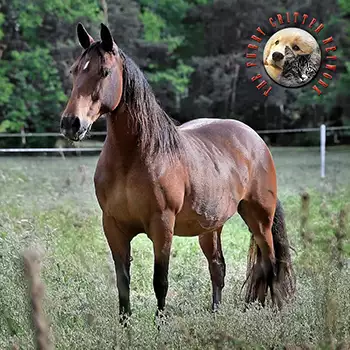

Halters, Lead Ropes & Tack Basics

A well-fitting halter is the most fundamental piece of equipment for any horse, and Morgans present a specific fitting consideration due to their characteristically refined, slightly dished head shape and compact build. Standard horse-size halters often run large on Morgans, particularly through the noseband and cheekpieces. Cob-size or adjustable halters typically provide a better fit, and the noseband should sit approximately two finger-widths below the cheekbone without dropping low enough to restrict breathing.

Halter materials range from flat nylon webbing to leather to rope. Nylon halters are durable, affordable, and easy to clean, but they do not break under pressure, which means a horse caught on a fence or object while wearing one can suffer serious injury. Leather halters and breakaway halters with leather crown pieces are strongly recommended for turnout because they release under extreme force. Rope halters apply more precise pressure and are useful for groundwork training but should not be left on unsupervised horses.

Lead ropes should be at least eight to ten feet long, made from cotton or yacht-braid material that provides good grip and does not burn hands when a horse pulls. Avoid thin, slippery nylon leads that can cut into skin under tension. Brass or zinc alloy snap hardware is preferred over cheaper pot metal snaps that can break under load. A good lead rope is a minor investment that you will use every single day.

Saddle and bridle fitting for Morgans deserves attention because the breed's build does not always match the proportions that standard tack is designed around. Morgans tend to have well-sprung ribs, relatively short backs, and prominent withers, which means saddle fit can be tricky with off-the-rack models. Having a qualified saddle fitter evaluate tree width, panel contact, and balance is one of the best investments a Morgan owner can make, as poor saddle fit causes back pain, behavioral issues, and long-term musculoskeletal damage.

Grooming Tools

Grooming is not merely cosmetic for horses; it serves as a health monitoring routine that allows you to detect skin conditions, injuries, swelling, heat, and sensitivity before they become serious problems. A basic grooming kit for a Morgan should include a rubber curry comb, a stiff-bristle dandy brush, a soft body brush, a mane and tail comb or detangler brush, a hoof pick, and a finishing cloth. Building your kit from quality individual tools rather than purchasing a cheap bundled set generally results in tools that last longer and work better.

The rubber curry comb is the workhorse of the grooming kit, used in circular motions to loosen dirt, dried sweat, and dead hair from the coat. It also stimulates circulation and distributes natural skin oils. Morgans typically have dense, fine coats that respond well to currying, and during shedding season, a shedding blade or deshedding tool supplements the curry comb for removing large volumes of loose hair efficiently.

Mane and tail care requires gentle tools and patience, as aggressive brushing breaks hairs and thins what many Morgan owners take pride in maintaining as a full, flowing feature of the breed. Wide-toothed combs, detangling sprays, and specialized mane and tail brushes designed to glide through tangles without tearing are worthwhile investments. Working from the bottom of the tail upward, a small section at a time, prevents matting and preserves hair length.

Clipping equipment becomes relevant for Morgan owners who show or who want to manage heavy winter coats. Body clippers with adjustable blade lengths handle full-body clips, while smaller trimmer models are suited for bridle paths, ears, and fetlocks. Clipper blade maintenance, including regular cleaning, oiling, and professional sharpening, directly affects cutting performance and the horse's comfort during the process. Dull blades pull hair rather than cutting it, which creates a negative association with clipping that can be difficult to reverse.

Blankets, Sheets & Protective Wear

Blanketing decisions for Morgans should be guided by the individual horse's needs rather than the owner's perception of cold. Morgans grow a thick, insulating winter coat that is remarkably effective at trapping body heat, and a healthy, unclipped Morgan with access to shelter and adequate forage often does not need a blanket at all in moderate winter climates. Blanketing a horse that does not need it can actually compromise thermoregulation by compressing the coat and preventing it from lofting for insulation.

When blanketing is appropriate, such as for clipped horses, elderly or thin individuals, or during extreme cold combined with wet and windy conditions, proper fit is essential. An ill-fitting blanket causes rubs at the shoulders, withers, and chest, can shift and become entangled around legs, and may restrict movement. Measuring from the center of the chest around the widest point of the shoulder to the point of the buttock gives the blanket size in inches. Morgans often fall in the 72- to 78-inch range, though individual variation requires actual measurement.

Turnout blankets are built with waterproof, breathable outer shells and come in varying weights of fill insulation, from zero-fill rain sheets through heavyweight options with 300 or more grams of fill. A layering system using a waterproof rain sheet combined with separate stable blankets or cooler liners provides more versatility than a single heavy blanket and allows you to adjust warmth as temperatures fluctuate throughout the season.

Fly sheets and fly masks are warm-weather essentials that protect against insect harassment, UV damage, and the skin irritation that some Morgans develop from biting insects. Fly sheets are lightweight mesh garments that cover the body without adding significant heat load. Fly masks should fit snugly around the ears and eyes without pressing on the eyeball or rubbing the face, and they should be checked and removed daily to inspect for any irritation or debris trapped underneath.

Travel & Transport Gear

Transporting a Morgan safely requires equipment that protects the horse from injury during loading, transit, and unloading. Shipping boots or standing wraps protect the lower legs from impact and interference injuries caused by the horse stepping on itself during trailer movement. Shipping boots are generally easier to apply correctly than wraps and cover from the coronary band to above the knee or hock, which provides comprehensive protection with minimal application skill.

Head bumpers are padded poll protectors that guard against the head injuries that can occur when a horse raises its head sharply inside a trailer. While not every horse needs one, tall or nervous travelers benefit from this simple, inexpensive piece of safety equipment. Tail wraps or tail guards prevent the horse from rubbing its tail against the trailer door or partition during transit, preserving tail hair that takes months to regrow.

Trailer tie systems should allow the horse enough freedom to balance and adjust head position during travel while preventing it from turning around or getting tangled. Breakaway ties or panic snaps that release under extreme force are essential safety features that prevent catastrophic injuries if a horse falls or scrambles during transit. The tie length should allow the horse to lower its head to clear its airways of dust and mucus but not so much slack that a leg can become caught in the rope.

Travel comfort extends beyond protective equipment to environmental conditions inside the trailer. Adequate ventilation is critical, as the interior of a closed trailer can become dangerously hot and ammonia-laden within minutes during warm weather. Opening vents and windows, ensuring the trailer floor drains properly, and providing hay during longer trips all contribute to a calmer, healthier travel experience. Horses that associate trailering with comfort and safety load more willingly over time, while negative experiences compound into loading resistance.

Identification & Safety Gear

Permanent identification is important for every horse, and microchipping has become the most reliable method available. A microchip is a tiny transponder injected into the nuchal ligament of the neck and can be scanned by any universal reader. Unlike brands or tattoos, microchips cannot be altered or obscured, making them the most secure form of identification for recovery of lost or stolen horses. Registration with a national equine microchip database links the chip number to the owner's contact information.

Halter plates and luggage-style tags attached to halters or stable doors provide visible identification for daily management purposes. Including the horse's name, the owner's phone number, and any critical medical information such as drug allergies ensures that anyone handling the horse in an emergency has immediate access to essential details. Engraved brass or aluminum plates are more durable than printed labels and remain legible after years of exposure.

Reflective gear is a safety essential for horses that are ridden or driven on or near roadways, particularly during dawn, dusk, or overcast conditions. Reflective leg wraps, tail straps, breast collars, and rider vests dramatically increase visibility to motorists. Morgans used for trail riding and driving are especially likely to encounter vehicular traffic, and reflective equipment is among the most cost-effective safety investments available.

First aid kits tailored for equine use should be maintained in the barn and in the trailer. A well-stocked kit includes wound care supplies such as antiseptic solution, non-stick wound dressings, self-adhesive bandaging material, and clean cotton padding. Thermometer, stethoscope, and a reference card listing normal vital signs for horses round out the diagnostic basics. Reviewing the kit contents with your veterinarian and replacing expired items on a regular schedule ensures it is ready when needed.

Seasonal & Specialty Gear

Seasonal gear addresses the changing demands of managing a horse through different weather conditions and activity levels throughout the year. Winter gear beyond blankets includes insulated water bucket covers that slow heat loss, heated gloves and hand warmers for the handler, ice studs or traction devices for shod horses working on frozen ground, and hoof sealants that prevent snowball buildup in the sole.

Summer essentials focus on cooling, insect management, and sun protection. Cooling towels, sponge baths, and fans represent the cooling category, while fly sprays, premise sprays, and fly traps form the insect management toolkit. Sunscreen formulated for equine use is important for horses with pink skin or white markings on the muzzle and around the eyes, which are susceptible to sunburn and photo-activated skin conditions. Morgans with chrome markings on the face should have sunscreen as part of their daily warm-weather routine.

Driving-specific accessories deserve mention because the Morgan is one of the premier driving breeds. Driving harness components, shaft boots, martingales, and overcheck gear are specialized products that require proper fitting by someone experienced with driving equipment. Ill-fitting harness creates pressure sores, restricts movement, and can lead to dangerous equipment failures during use. Even experienced riders often benefit from professional guidance when entering the driving discipline for the first time.

Storage and organization products round out the accessories category and make daily management more efficient. Tack trunks, saddle racks, bridle hooks, and grooming totes keep equipment organized, clean, and in good condition between uses. Climate-controlled tack rooms prevent mold growth on leather and corrosion on metal hardware. Saddle covers and bridle bags protect expensive tack from dust, moisture, and rodent damage when not in regular use.

Always consult a qualified professional before making any health-related decisions. This content is provided for informational reference only and should not replace professional guidance specific to your animal.