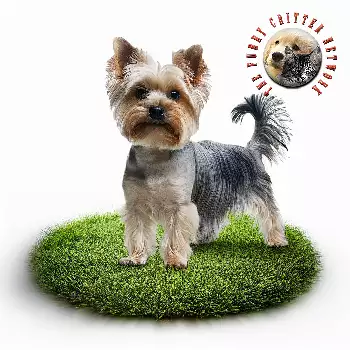

Play Style & Drive

Yorkshire Terriers were originally bred as ratters in English textile mills, and that working heritage still shows in their play style. They are alert, quick, and drawn to toys that move unpredictably, squeak, or can be shaken and pounced upon. This prey-drive foundation means that a Yorkie's idea of a good time often involves chasing, capturing, and triumphantly parading a toy around the room. Understanding this instinct helps owners select toys that satisfy the dog's natural behavioral drives rather than working against them.

Despite their small size, Yorkies play with surprising intensity. They are not delicate lapdogs when it comes to playtime — they will tug, shake, and wrestle with their toys aggressively. However, their small jaws and teeth mean they cannot handle toys designed for larger, more powerful breeds. The ideal Yorkie toy is small enough for the dog to grip comfortably, light enough to be tossed and carried, and durable enough to withstand enthusiastic play without falling apart into swallowable pieces.

Mental stimulation is equally important for this breed. Yorkshire Terriers are intelligent and can become bored quickly if their environment is not engaging. A bored Yorkie often becomes a destructive Yorkie, channeling its energy into barking, chewing furniture, or getting into mischief. Rotating toys on a weekly basis keeps the play environment fresh and prevents the dog from losing interest. Introducing a new toy while putting a few familiar ones away creates novelty without requiring a constantly growing toy collection.

Social play is another key dimension of a Yorkie's play life. These dogs thrive on interactive play with their owners and will choose a game of tug or chase with a person over solo play with a toy almost every time. Setting aside dedicated play sessions each day strengthens the bond between dog and owner while providing the physical and mental exercise the breed needs to stay balanced and content.

Interactive & Puzzle Toys

Puzzle toys are among the most valuable enrichment tools for a Yorkshire Terrier. These toys require the dog to solve a problem — sliding panels, lifting flaps, spinning compartments — to access a hidden treat. The cognitive challenge keeps the dog engaged and provides mental fatigue that is as satisfying as physical exercise. For a breed as intelligent as the Yorkie, puzzle toys can occupy 15 to 30 minutes of focused attention, which is especially useful during periods when the owner is busy or the dog needs to settle down.

Start with beginner-level puzzles and progress to more complex designs as your Yorkie masters each one. A dog that has never encountered a puzzle toy should begin with a simple treat-dispensing ball or a snuffle mat before graduating to multi-step puzzle boards. Jumping to a difficult puzzle too quickly can frustrate the dog and create a negative association with the toy. The goal is to challenge the dog without overwhelming it, and the sweet spot varies from dog to dog.

Interactive toys that respond to the dog's actions — rolling treat dispensers, motion-activated toys, and toys that bounce unpredictably — tap into the Yorkie's prey drive while adding mental engagement. These toys work well for solo play because the dog's own actions create the stimulation, reducing the need for owner involvement. However, supervise initial sessions with any new interactive toy to ensure the dog interacts with it safely and does not become overly frustrated or fixated.

Lick mats and slow feeders, while not traditional puzzle toys, provide excellent low-intensity enrichment. Spreading a thin layer of dog-safe peanut butter or wet food on a textured mat gives the Yorkie a calming activity that can reduce anxiety and provide oral stimulation. These are particularly useful during thunderstorms, fireworks, or other stressful situations when the dog needs a distraction. Freeze the mat for a longer-lasting challenge.

Chew Toys & Durability

Chewing is a natural behavior for all dogs, and Yorkshire Terriers are no exception. Appropriate chew toys satisfy the urge to gnaw while supporting dental health and providing stress relief. For Yorkies, the critical consideration is size and hardness. A chew toy must be small enough for the dog to hold and manipulate with its paws and jaws, but not so small that it could be swallowed whole. Avoid toys marketed for medium or large breeds, as these are often too hard for a Yorkie's small teeth and can cause fractures or dental damage.

Rubber chew toys with some give are generally the safest option for this breed. Look for toys rated for small or toy breeds that flex slightly under pressure rather than being rock-hard. The ideal chew toy should leave a slight indentation when you press it with your fingernail. If the material does not give at all, it is too hard for a Yorkie. Conversely, if pieces tear off easily when you pull at the toy, it is too soft and presents a choking or ingestion hazard.

Natural chew options such as bully sticks, tendons, and dehydrated sweet potato chews can be appropriate for Yorkies when sized correctly. Choose thin or small-format versions of these products and always supervise chewing sessions. Once a natural chew is small enough to fit entirely inside the dog's mouth, take it away to prevent choking. Rawhide is generally best avoided for toy breeds due to the risk of large pieces being swallowed and causing intestinal blockage.

Inspect chew toys regularly for signs of wear. Cracked rubber, exposed squeakers, torn fabric, and loose filling are all signals that a toy has reached the end of its useful life and should be replaced. Yorkshire Terriers are persistent chewers for their size, and a toy that was intact yesterday can develop dangerous damage overnight. A quick daily inspection of your dog's toy collection takes only a moment and can prevent a costly emergency veterinary visit.

Fetch & Outdoor Toys

Yorkshire Terriers enjoy fetch more than many people expect from a toy breed, though the scale of the game needs to match the dog. Standard tennis balls are too large and heavy for most Yorkies to carry comfortably. Miniature tennis balls, small rubber balls, and lightweight foam balls are better suited to their mouths. Some owners find that small plush balls with squeakers inside generate the most enthusiasm, as the combination of chase and squeaking sound engages both the prey drive and the reward center.

Outdoor fetch sessions with a Yorkie should take place in a secure, enclosed area. These dogs are fast and can cover surprising distance when pursuing a thrown toy, but they are also easily lost in tall grass or shrubbery and vulnerable to larger animals. A fenced yard, a dog park's small-dog section, or an enclosed tennis court provides the freedom to play without the risk of the dog bolting after a squirrel and disappearing from sight.

Flirt poles — essentially a stick with a string and a small toy attached to the end — are outstanding outdoor toys for Yorkshire Terriers. The erratic movement of the toy at the end of the line triggers the Yorkie's chasing instinct and provides vigorous exercise in a small space. A five-minute session with a flirt pole can tire out a Yorkie as effectively as a 20-minute walk. Use a flirt pole designed for small dogs with a lightweight lure, and allow the dog to catch the toy periodically to prevent frustration.

Water toys are appropriate if your Yorkie enjoys water, though many in the breed are not natural swimmers. If your dog does like splashing around, small floating toys designed for toy breeds can make wading pool play more engaging. Always supervise water play closely, as a Yorkie's low body mass and short legs make swimming strenuous, and even a shallow kiddie pool can pose a drowning risk if the dog becomes exhausted or panicked.

Comfort & Companion Toys

Many Yorkshire Terriers form strong attachments to specific comfort toys, carrying them around the house, sleeping with them, and becoming visibly distressed if the toy goes missing. This behavior is perfectly normal and should be encouraged rather than discouraged, as comfort objects can help manage separation anxiety and provide emotional security. Soft plush toys in small sizes, with or without squeakers, are the most common comfort objects for Yorkies.

When selecting a comfort toy, prioritize safety over aesthetics. The toy should have securely attached eyes and noses — embroidered features are safer than plastic button eyes that can be chewed off and swallowed. Seams should be reinforced, and any filling should be non-toxic. Some comfort toys are specifically designed to be machine washable, which is a practical advantage given how often a beloved comfort toy gets dragged through every corner of the house.

Heartbeat toys, which contain a small battery-operated device that mimics a heartbeat, can be particularly comforting for Yorkie puppies adjusting to a new home. The rhythmic pulse simulates the feeling of sleeping next to littermates and can ease the transition from breeder to new family. These toys are also useful for adult Yorkies that experience anxiety during thunderstorms, fireworks, or when left alone. The calming effect is not universal, but many dogs respond positively.

Having a designated comfort toy also serves a practical training purpose. A Yorkie that directs its cuddling and carrying instinct toward an appropriate toy is less likely to adopt household items — socks, shoes, remote controls — as substitute comfort objects. If your Yorkie shows signs of wanting to carry and guard objects, redirecting that behavior toward a designated toy establishes a healthy outlet and saves your belongings from becoming casualties of canine affection.

DIY & Budget Options

Not every enrichment activity requires a trip to the pet store. Some of the most engaging toys for a Yorkshire Terrier can be made from items you already have at home. A muffin tin with tennis balls or small cups placed over treats in each well creates an instant puzzle toy — the dog must figure out how to remove the covers to access the food. An empty toilet paper roll with the ends folded shut around a few small treats becomes a satisfying shredding and foraging activity. Old t-shirts can be braided into tug toys sized perfectly for a small dog's mouth.

The classic cardboard box enrichment never fails. Place a few treats inside a small box, close the flaps, and let your Yorkie figure out how to get in. For added difficulty, nest smaller boxes inside larger ones or wrap treats in tissue paper before placing them in the box. The rustling sounds and the act of tearing into the packaging stimulate the dog's senses and satisfy the breed's natural curiosity. Supervise these activities to ensure the dog does not ingest large pieces of cardboard.

Scent games are free and endlessly engaging for a breed with the Yorkie's terrier nose. Hide small treats around a room while the dog watches from behind a baby gate, then release the dog to find them. Start with easy, visible locations and gradually increase the difficulty by hiding treats under cushions, behind furniture legs, and inside loosely closed drawers. This activity exercises the dog's problem-solving skills and sense of smell while requiring zero equipment.

Frozen enrichment is another budget-friendly option. Fill a small silicone mold or ice cube tray with a mixture of low-sodium broth and small pieces of dog-safe fruit or vegetables, then freeze. The resulting frozen treat gives the Yorkie something to lick and work at over an extended period, providing both mental engagement and hydration. During warm weather, frozen enrichment doubles as a cooling activity. Rotate between different fillings to maintain the dog's interest over time.

Always consult a qualified professional before making any health-related decisions. This content is provided for informational reference only and should not replace professional guidance specific to your animal.