
Space Requirements

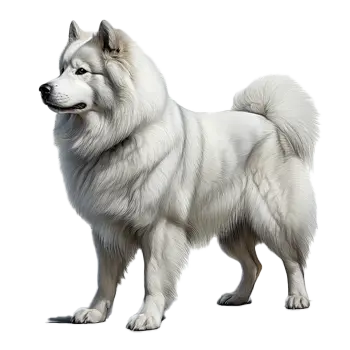
Samoyeds are medium-to-large dogs with an energetic, social disposition that demands adequate living space. While they can adapt to apartment living with sufficient daily exercise, they thrive in homes that offer room to move freely and access to a securely fenced yard. A Samoyed that is confined to a small space without enough physical and mental outlet will quickly develop destructive behaviors like chewing, digging, and excessive barking.

Indoor space planning should account for the breed's size and coat. An adult Samoyed stands 19 to 24 inches at the shoulder and can weigh up to 65 pounds, so furniture arrangements, doorways, and designated resting areas need to accommodate a dog of that stature. Their thick double coat also sheds heavily, particularly during biannual coat blows, which is worth considering when choosing flooring and furniture materials in the dog's primary living areas.

Designating a specific area in your home as the dog's space — whether that is a corner of a living room, a section of a mudroom, or a dedicated dog room — helps the Samoyed understand boundaries and provides a reliable retreat. This area should be away from drafts and direct heat sources, as Samoyeds are bred for cold climates and can overheat easily in warm indoor environments.

Yard space is a significant asset for Samoyed ownership. The breed has a strong prey drive and a historical tendency to roam, so any outdoor area must be enclosed by a fence that is at least five to six feet tall. Samoyeds are capable diggers, so extending fencing below ground level or adding a dig guard along the base is a worthwhile precaution.

Crates & Kennels

Crate training is a valuable tool for Samoyeds, particularly during puppyhood and adolescence. A properly sized crate provides a secure den-like space that supports housetraining, prevents unsupervised destructive behavior, and gives the dog a place to rest without overstimulation. For an adult Samoyed, look for a crate that is 42 to 48 inches long, depending on the individual dog's height and length.

Wire crates are the most popular option for Samoyeds because they offer excellent ventilation — an important feature for a breed that runs warm. The open design also allows the dog to see its surroundings, which suits the Samoyed's social nature. Many wire crates come with divider panels that let you adjust the interior size as a puppy grows, eliminating the need to purchase multiple crates.

Heavy-duty or escape-proof crates may be necessary for Samoyeds that experience separation anxiety. Standard wire crates can be bent or broken by a determined dog, creating both an escape route and a safety hazard from sharp edges. Reinforced steel crates with tamper-resistant latches are a more secure alternative for dogs that have demonstrated the ability to compromise standard enclosures.

Plastic airline-style crates are useful for travel but are generally not ideal as a primary indoor crate for Samoyeds. The enclosed design restricts airflow, which can cause overheating in a double-coated breed. If you need a travel crate, choose one with large ventilation openings on multiple sides and size it generously to allow adequate air circulation.

Beds & Sleeping Areas

Samoyeds benefit from a quality dog bed that supports their joints and keeps them comfortable without trapping excess body heat. Orthopedic beds with memory foam or high-density foam cores are excellent for the breed, particularly for older dogs or those with joint concerns. The bed should be large enough for the dog to stretch out fully — most adult Samoyeds need a bed that measures at least 36 by 28 inches, though larger is often better.

Cooling beds or elevated cot-style beds are especially well-suited for Samoyeds. Elevated beds allow air to circulate beneath the dog, which helps dissipate heat that would otherwise be trapped against the floor. Gel-infused cooling mats can be placed on top of or inside existing beds during warmer months to provide additional temperature regulation for this cold-weather breed.

Durability is a practical consideration when selecting a Samoyed's bed. The breed's thick coat produces a significant volume of loose fur, so removable, machine-washable covers are essential for maintaining hygiene. Look for covers made from tightly woven fabric that resists snagging and holds up to frequent washing without losing its shape or waterproof backing.

Placement of the bed matters as much as the bed itself. Position it in a low-traffic area where the dog can rest undisturbed, away from heating vents, radiators, and direct sunlight. Many Samoyeds prefer sleeping on cool tile or hardwood floors during warm weather, so providing a bed near a cooler surface gives the dog the option to self-regulate its temperature.

Outdoor Enclosures

Outdoor enclosures and dog runs can extend a Samoyed's usable living space while keeping the dog safely contained. A well-designed outdoor run should be at least 10 feet wide and 20 feet long to give a Samoyed enough room to trot and play. The fencing should be at least six feet high with no horizontal bars that could serve as footholds for climbing — Samoyeds are surprisingly agile and resourceful escape artists.

Shade structures are non-negotiable for any outdoor Samoyed enclosure. The breed's dense white coat reflects some solar radiation but does not prevent overheating, and Samoyeds are far more susceptible to heat stress than many owners realize. A solid roof or shade sail over at least half of the enclosure provides essential protection from direct sun, and access to fresh water should be available at all times.

The ground surface within the enclosure affects both comfort and maintenance. Grass is comfortable but wears down quickly under repeated use and becomes muddy in wet weather. Pea gravel drains well and stays relatively clean, but can be uncomfortable on paw pads during temperature extremes. Rubber kennel matting or artificial turf designed for pet use offers a good compromise — it drains adequately, cushions joints, and is easy to clean.

Samoyeds are highly social dogs and should never be left in an outdoor enclosure for extended periods as a substitute for indoor family time. An outdoor run is a supplement to daily exercise and supervised yard access, not a containment solution for a bored or neglected dog. Prolonged isolation outdoors leads to excessive barking, digging, and anxiety-driven behaviors that are difficult to reverse once established.

Climate Considerations

The Samoyed's double coat is one of the breed's defining features, and it directly influences housing decisions. The dense, insulating undercoat and longer outer guard hairs were developed to withstand Siberian winters, which means Samoyeds are naturally well-equipped for cold climates. In cold weather, they can comfortably spend extended time outdoors and often prefer cooler sleeping areas inside the home.

Heat management is the more pressing concern for most Samoyed owners. In warm or humid climates, indoor spaces must be climate-controlled with reliable air conditioning. Samoyeds can develop heat exhaustion quickly, particularly during summer months, and a consistently cool indoor environment is essential for their wellbeing. Many owners in warmer regions schedule outdoor time for early morning and late evening to avoid peak heat.

Never shave a Samoyed's coat in an attempt to keep them cool. The double coat actually provides insulation against heat as well as cold, and shaving removes this protective layer, exposing the skin to sunburn and disrupting the coat's natural temperature-regulation function. The coat may also grow back with an altered texture that provides less insulation than the original.

For homes in regions with harsh winters, providing a draft-free indoor sleeping area is usually sufficient — Samoyeds do not need heated beds or indoor jackets. If you have a heated dog house or insulated outdoor shelter for use during supervised winter outings, ensure it is appropriately sized so the dog's body heat can warm the interior space. An oversized shelter loses heat too quickly, while one that is too small restricts comfortable movement.

Multi-Pet Households

Samoyeds are generally sociable dogs that coexist well with other pets, but multi-pet households require thoughtful spatial planning. Each dog should have its own crate, bed, and designated feeding area to prevent resource guarding. Even in households where dogs get along well, shared resources can trigger competition and stress, particularly during mealtimes or when high-value items like chew toys are involved.

When introducing a Samoyed into a home with an existing dog, neutral territory introductions followed by gradual, supervised cohabitation are the safest approach. The resident dog should retain access to its established spaces while the Samoyed is given a separate area initially. Over days or weeks, shared spaces can be expanded as both dogs demonstrate comfort and relaxed body language around each other.

Samoyeds and cats can often live together successfully, especially when the Samoyed is introduced as a puppy. However, the breed does have a prey drive that can be triggered by a running cat, so initial introductions should always be controlled and supervised. Providing cats with elevated escape routes — cat trees, shelves, and gated rooms — ensures they can remove themselves from interactions that become too intense.

Space allocation scales with the number of pets. Two large dogs in a small apartment create logistical challenges around exercise, rest, feeding, and bathroom routines that can be difficult to manage consistently. Before adding a Samoyed to a multi-pet household, honestly assess whether your living space can accommodate another medium-to-large dog comfortably without compromising the quality of life for your existing animals.

Always consult a qualified professional before making any health-related decisions. This content is provided for informational reference only and should not replace professional guidance specific to your animal.