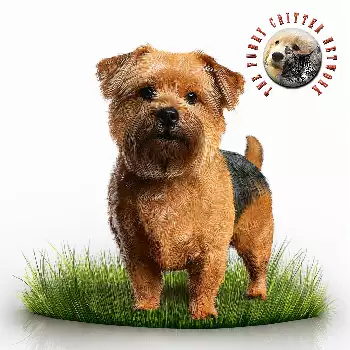

Play Style & Drive

Norfolk Terriers were bred to work in packs flushing vermin from dens, and that heritage shapes everything about how they play. They are diggers, chasers, and investigators by nature, approaching toys and games with an intensity that belies their small size. Understanding these innate drives is the key to selecting toys that will genuinely engage a Norfolk rather than gathering dust in a corner.

The breed's prey drive is perhaps their most defining play characteristic. Norfolk Terriers are wired to pursue, pounce on, and shake small objects — behaviors that mimic the capture of rodents. Toys that squeak, move unpredictably, or can be shaken vigorously tend to be instant favorites. This prey-oriented play is instinctive and healthy, and providing appropriate outlets for it reduces the likelihood of the dog redirecting those impulses toward shoes, socks, or small household items.

Norfolk Terriers are also problem solvers. They enjoy figuring things out and will persist at a challenging toy far longer than many breeds before giving up. This combination of physical tenacity and mental curiosity means they need toys that engage both body and brain. A toy that is too simple will bore a Norfolk within minutes, while one that offers layered challenges will hold their attention across multiple play sessions.

Social play is another important dimension for this breed. Norfolk Terriers are pack-oriented and enjoy interactive games with their owners as much as solo play. Tug-of-war, hide-and-seek with toys, and structured fetch games all strengthen the bond between dog and owner while channeling the Norfolk's energy productively.

Interactive & Puzzle Toys

Puzzle toys are arguably the single most valuable category for Norfolk Terriers. These dogs are intelligent, curious, and easily bored, making mental challenges essential for their wellbeing. Treat-dispensing puzzles that require the dog to slide panels, lift flaps, or rotate components to access hidden rewards tap directly into the Norfolk's natural problem-solving abilities and keep them occupied for meaningful stretches of time.

Start with beginner-level puzzles and progress to more complex designs as your Norfolk masters each stage. Many puzzle toy manufacturers rate their products by difficulty level, which provides a useful starting framework. A Norfolk Terrier that has never encountered a puzzle toy should begin with a simple treat ball or single-step dispenser before advancing to multi-step puzzles that require sequential actions to solve.

Snuffle mats and foraging toys offer another excellent form of mental enrichment. These products hide kibble or small treats within layers of fabric or compartments, forcing the dog to use their nose and paws to locate food. For a breed with a keen sense of smell and natural foraging instincts, snuffle mats transform a routine snack into an engaging activity that can slow down fast eaters while providing sensory stimulation.

Rotate puzzle toys regularly to maintain novelty. A Norfolk Terrier that has solved the same puzzle dozens of times will eventually lose interest, not because the toy is bad but because the challenge has been fully mastered. Keeping three or four puzzle toys in rotation and swapping them weekly ensures each one feels relatively fresh when reintroduced.

Chew Toys & Durability

Norfolk Terriers are determined chewers with strong jaws relative to their size. While they will not demolish toys at the rate of a large power-chewing breed, they are fully capable of destroying flimsy toys in a single session. Investing in well-constructed chew toys saves money in the long run and, more importantly, prevents the dog from ingesting fragments of shredded material that could cause intestinal blockages.

Rubber chew toys designed for small to medium dogs offer an excellent balance of durability and appeal. Look for options made from natural rubber or similarly resilient compounds that can withstand sustained gnawing without cracking or breaking apart. Many quality rubber toys can be stuffed with treats or peanut butter, adding a food-dispensing dimension that extends engagement time significantly.

Rope toys can serve double duty as both chew toys and tug toys, but they require monitoring. Norfolk Terriers may gradually unravel rope fibers and swallow them, which can lead to dangerous intestinal complications. Inspect rope toys regularly and replace them at the first sign of significant fraying. Never leave a Norfolk Terrier alone with a rope toy.

Avoid toys made for larger breeds even if they appear durable, as they are often too large for a Norfolk Terrier to grip and manipulate comfortably. Conversely, toys designed for very small or toy breeds may be too fragile for a Norfolk's enthusiastic chewing style. The sweet spot is typically toys rated for small to medium dogs with moderate to aggressive chewing tendencies.

Fetch & Outdoor Toys

Fetch is a natural fit for Norfolk Terriers, engaging their chase instinct and providing excellent cardiovascular exercise in a structured format. Small tennis balls or mini-sized rubber balls work well for the breed's compact mouth. Standard tennis balls can be cumbersome for a Norfolk to carry, so downsized versions designed for small breeds are a worthwhile investment. Avoid balls small enough to be swallowed or lodged in the throat.

Flirt poles — essentially a rod with a lure attached to a line at the end — are outstanding toys for Norfolk Terriers. They simulate the erratic movement of prey and allow the dog to sprint, pounce, and change direction rapidly, providing an intense physical workout in a compact space. A five-minute session with a flirt pole can tire a Norfolk Terrier more effectively than a thirty-minute walk, making it an excellent option for days when outdoor time is limited.

Frisbees and flying discs designed for small dogs add variety to outdoor play sessions. Soft, flexible discs are preferable to hard plastic ones, as they are gentler on the Norfolk's mouth when caught and less likely to cause dental injury. Many Norfolk Terriers take enthusiastically to disc play once they understand the concept, though some individuals prefer ground-level chase games to aerial catches.

Water toys can be hit or miss with Norfolk Terriers. While some individuals enjoy splashing in shallow water and retrieving floating toys, the breed as a whole is not particularly water-oriented. If your Norfolk shows interest in water play, soft floating toys and shallow splash pools sized for small dogs can add a fun seasonal dimension to outdoor enrichment.

Comfort & Companion Toys

Despite their bold, feisty reputation, Norfolk Terriers have a deeply affectionate side and many develop strong attachments to specific comfort toys. A soft plush toy that a Norfolk can carry around, nestle against during naps, or groom becomes a security object that provides emotional comfort, particularly during transitions like moving to a new home, adjusting to a new family member, or recovering from a veterinary procedure.

When selecting plush toys for a Norfolk Terrier, durability remains important even in the comfort category. Look for plush toys with reinforced seams, minimal small parts like button eyes or plastic noses that could be chewed off and swallowed, and double-stitched construction. Some manufacturers produce plush toys specifically designed for dogs that include no stuffing, eliminating the mess and ingestion risk associated with traditional stuffed animals.

Heartbeat toys — plush companions with a battery-operated device that mimics a heartbeat — can be particularly soothing for Norfolk Terrier puppies adjusting to life away from their littermates. The rhythmic pulse helps reduce anxiety during the first nights in a new home and can ease crate training by providing a sense of companionship inside the crate.

Allow your Norfolk Terrier to choose their own comfort toy rather than imposing one. Place several options in the dog's environment and observe which one they gravitate toward. Some Norfolks prefer a specific texture, size, or shape, and the toy they bond with may not be the one you expected. Once a favorite is identified, consider purchasing a duplicate as a backup in case the original is lost or deteriorates beyond repair.

DIY & Budget Options

Not every enrichment activity requires a purchase. Norfolk Terriers respond enthusiastically to homemade games and improvised toys that cost little or nothing. A cardboard box filled with crumpled newspaper and scattered treats becomes an engaging foraging challenge. An empty plastic bottle with a few kibble pieces inside creates a rolling treat dispenser that makes noise and rewards persistence. A muffin tin with tennis balls covering treats in each cup becomes an instant puzzle.

Hide-and-seek games are free and immensely rewarding for Norfolk Terriers. Hide treats around a room or throughout the house and encourage your dog to find them using their nose. Start with easy placements in plain sight and gradually increase difficulty by hiding treats under cushions, behind furniture, or inside loosely closed containers. This simple game exercises the Norfolk's scenting ability and problem-solving skills simultaneously.

Old towels and t-shirts can be braided into tug toys or knotted into chew-friendly shapes. While these homemade fabric toys should be used under supervision to prevent ingestion of loose threads, they provide a cost-effective way to add variety to the toy rotation. Freezing a wet, knotted washcloth creates a soothing chew toy for teething puppies that costs nothing and can be remade indefinitely.

Rotation is the ultimate budget strategy. Rather than buying new toys constantly, divide your Norfolk Terrier's existing toy collection into three or four groups and rotate them weekly. Toys that have been out of sight for a couple of weeks feel novel again when reintroduced, effectively multiplying the value of every toy you already own. This approach works with both purchased and homemade toys and keeps enrichment fresh without ongoing expense.

Always consult a qualified professional before making any health-related decisions. This content is provided for informational reference only and should not replace professional guidance specific to your animal.