
Collars, Harnesses & Leashes

The Mudi's medium build and athletic frame make it compatible with a wide range of collar and harness styles, but the best choice depends on how the dog will be used and how it behaves on leash. A standard flat collar in nylon or leather is sufficient for everyday identification and casual walks with a well-trained dog. The collar should fit snugly enough that it cannot slip over the head but loose enough to allow two fingers between the collar and the neck.

For Mudis that pull on leash or that are still learning leash manners, a front-clip harness is generally the most effective and humane management tool. Front-clip designs redirect the dog's forward momentum toward the handler, making pulling less mechanically efficient and encouraging the dog to check in. Back-clip harnesses are comfortable but can actually encourage pulling in strong, motivated dogs, so they are better suited for Mudis that have already mastered loose-leash walking.

Leash selection should match the activity. A standard six-foot leash provides enough room for comfortable walking while keeping the dog under reliable control. Leather and biothane leashes offer excellent durability and a comfortable grip, while nylon is lightweight and affordable. Retractable leashes are generally not recommended for the Mudi, as they provide inconsistent tension cues and can create dangerous situations if the dog bolts toward a distraction at full extension.

For training, hiking, or hands-free activities, a waist-mounted leash system with a bungee section can absorb sudden pulls and free up the handler's hands. These setups are popular among runners and hikers who want their Mudi alongside them without the constant grip on a traditional leash. A secondary short traffic handle near the collar attachment provides quick control in crowded or high-distraction environments.

Grooming Tools

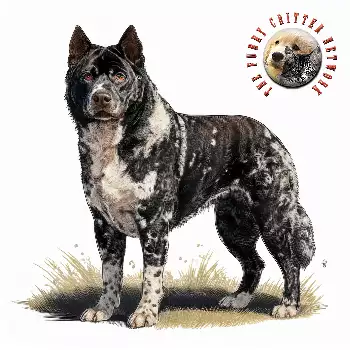
The Mudi's coat is one of its most distinctive features — a wavy to curly medium-length coat that is surprisingly low-maintenance compared to other coated breeds. The coat does not require professional grooming on a strict schedule, but regular at-home maintenance keeps it healthy, clean, and free of mats. A quality pin brush or slicker brush is the primary tool for weekly coat care, working through the waves without damaging the coat texture.

A metal comb with both wide and fine teeth is useful for checking behind the ears, under the legs, and around the collar area, where mats are most likely to form. If mats do develop, a dematting tool or mat splitter can work through tangles without cutting away large sections of coat. Working patiently from the ends of the hair toward the skin prevents discomfort and preserves coat length.

Bathing should be done as needed rather than on a rigid schedule, typically every four to eight weeks depending on the dog's activity level and environment. A gentle, pH-balanced dog shampoo will clean without stripping the natural oils that give the Mudi's coat its characteristic texture. Over-bathing can dry out the skin and cause the coat to become brittle and frizzy. A light conditioner or detangling spray can make post-bath brushing easier and help maintain wave definition.

Nail care is an often-overlooked essential. The Mudi's nails should be trimmed every two to three weeks, or as often as needed to prevent them from touching the ground when the dog stands. A guillotine-style or scissor-style nail clipper works well for this breed, though many owners prefer a rotary grinding tool for a smoother finish and reduced risk of cutting the quick. Regular handling of the paws from puppyhood builds tolerance for nail maintenance throughout the dog's life.

Bowls & Feeders

Selecting the right food and water bowls for a Mudi involves balancing durability, hygiene, and practicality. Stainless steel bowls are the gold standard for most dogs — they are durable, easy to clean, resistant to bacterial buildup, and heavy enough to resist tipping. Ceramic bowls are another solid option that adds weight and stability, though they can chip or crack if dropped and should be replaced if the glaze becomes damaged.

Plastic bowls are inexpensive but are the least recommended option. They scratch easily, harboring bacteria in the grooves, and some dogs develop contact allergies that manifest as chin acne or irritation around the muzzle. If plastic must be used, replace it frequently and wash it thoroughly after each meal.

Slow-feeder bowls with ridges, mazes, or raised patterns can be beneficial for Mudis that eat too quickly. Rapid eating increases the risk of choking, vomiting, and bloat. A slow feeder forces the dog to work around the obstacles, extending meal time and promoting better digestion. For dogs that find even slow feeders too easy, scattering kibble across a snuffle mat or using a food-dispensing toy for meals adds an extra layer of challenge.

Water should be available at all times, and the bowl should be sized appropriately for the Mudi's needs. A wide, shallow water bowl reduces the mess that can occur with narrow, deep bowls, particularly for dogs with facial furnishings that trap water. In multi-dog households, providing more than one water station ensures every dog has easy access without competition.

Travel Gear

The Mudi's adaptable temperament and manageable size make it an excellent travel companion, but proper gear ensures both safety and comfort on the road. In vehicles, the safest arrangement is a crash-tested crate or carrier secured in the cargo area or on the back seat. If a crate is not practical, a vehicle-rated harness that clips into the seatbelt system provides restraint in the event of a sudden stop or collision.

For air travel, the Mudi's size typically allows it to fly in the cabin in an airline-approved soft carrier, though specific dimensions vary by airline. A carrier that fits beneath the seat in front of the owner and provides enough room for the dog to turn around and lie down is essential. Familiarize the dog with the carrier well in advance of any flight by using it at home as a resting spot with positive associations.

Collapsible travel bowls made from silicone or fabric are lightweight, packable, and easy to clean. They take up almost no space in a bag and ensure the dog has access to food and water during stops. A portable water bottle with an attached dish is particularly convenient for hikes, long walks, or road trip rest stops where finding a water source may not be immediate.

A travel kit for the Mudi should include waste bags, a basic first-aid kit with bandaging supplies, copies of vaccination records, any medications the dog requires, and a recent photograph of the dog in case of separation. Keeping this kit packed and ready to go eliminates the scramble of assembling supplies before each trip and ensures nothing critical is forgotten.

Safety & ID

Identification is the single most important safety accessory for any dog. The Mudi's agility, intelligence, and occasional independent streak mean that even a well-trained dog can find itself separated from its owner in certain circumstances. A microchip, implanted by a veterinarian, provides permanent identification that cannot be lost, removed, or damaged. Ensure the microchip is registered with current contact information and update the registration promptly after any move or phone number change.

A visible ID tag attached to the dog's collar serves as the first line of identification for anyone who finds a lost dog. The tag should include the dog's name, the owner's phone number, and the city or region. Some owners also include a secondary contact number or a note about any medical needs. Tags should be checked periodically for legibility, as they wear down over time and can become unreadable.

Reflective or light-up collar accessories improve visibility during early morning or evening walks when lighting is poor. Clip-on LED lights, reflective collar bands, and glow-in-the-dark leash attachments all help drivers and cyclists spot the dog from a distance. For Mudis in rural areas where road shoulders are narrow, high-visibility gear is not optional — it is a safety essential.

For owners who spend time outdoors in areas with hazards such as rough terrain, dense brush, or wildlife, a brightly colored safety vest can make the Mudi easier to track visually. Blaze orange or neon yellow vests are commonly used during hunting season to distinguish dogs from game. These vests are lightweight, inexpensive, and provide peace of mind in environments where the dog's natural coat color might blend into the surroundings.

Seasonal Gear

The Mudi's natural coat provides moderate protection against the elements, but seasonal accessories can extend the dog's comfort range and make year-round outdoor activity more enjoyable. During winter, a lightweight insulated jacket or vest is helpful for Mudis in cold climates, particularly during extended outdoor sessions in snow, wind, or rain. The jacket should fit snugly without restricting shoulder movement or interfering with the dog's gait.

Paw protection is important in both winter and summer. In winter, ice, snow, and road salt can irritate or crack paw pads. Dog-safe paw balm applied before walks creates a protective barrier, and booties provide more comprehensive coverage for extended exposure. In summer, hot pavement can burn paw pads quickly. The five-second rule — placing the back of your hand on the pavement for five seconds to check if it is too hot — is a reliable test before heading out.

Rain gear is useful for Mudis in wet climates. A water-resistant coat keeps the undercoat dry and reduces the amount of post-walk drying and cleaning needed. The Mudi's wavy coat can absorb a surprising amount of water, and a thoroughly soaked coat takes time to dry and can develop odor if not addressed. A quick-drying microfiber towel kept near the door makes the transition from wet outdoor walks to indoor living smoother.

Summer accessories such as cooling vests, bandanas, and elevated outdoor beds help manage heat during warm months. A cooling vest works through evaporative technology — soaked in water and wrung out before wearing — and can lower the dog's body temperature during outdoor activity. These are especially useful for Mudis that participate in summer training, hiking, or herding work where heat exposure is prolonged.

Always consult a qualified professional before making any health-related decisions. This content is provided for informational reference only and should not replace professional guidance specific to your animal.