
Collars, Harnesses & Leashes

Choosing the right collar for a Collie requires attention to the breed's distinctive physical build. Collies have a narrow, tapered head relative to their neck, which means standard flat collars can slip over their head if they back up or pull away suddenly. A martingale collar addresses this problem with a limited-slip design that tightens gently under tension without choking, making it the preferred collar style for most Collie owners. Measure your dog's neck carefully and select a martingale that fits snugly without restricting breathing when relaxed.

Harnesses are an excellent alternative for Collies that pull on leash or for activities where you want to distribute pressure away from the neck and throat. Front-clip harnesses redirect pulling by turning the dog toward you when they lunge forward, which is particularly effective during training. Back-clip harnesses are more comfortable for well-mannered walkers and provide a secure attachment point for hiking or jogging. Dual-clip harnesses offer both options and let you switch attachment points based on the situation.

Leash selection depends on your typical walking environment and your Collie's training level. A standard six-foot leash made from nylon webbing or leather gives you adequate control while allowing your dog room to explore. Leather leashes are more comfortable to grip over long walks and develop a pleasant patina with age, while nylon is lighter and dries quickly. Avoid retractable leashes for everyday use, as the thin cord can cause burns or cuts, and the variable length makes it difficult to maintain consistent communication with your dog.

For training purposes, a long line of 15 to 30 feet gives your Collie freedom to practice recall and off-leash skills in a controlled manner. Use long lines in open fields or fenced areas where the line can trail safely without tangling around obstacles. Biothane long lines are particularly practical because they resist moisture, dirt, and odor while remaining lightweight and easy to clean.

Grooming Tools

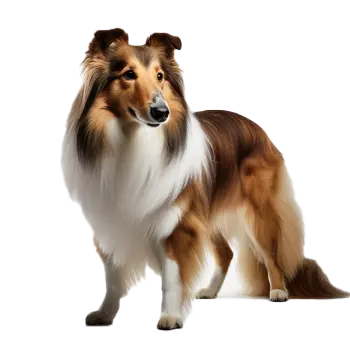
The Collie's magnificent double coat is one of the breed's most striking features, but it demands consistent grooming to stay healthy and beautiful. The undercoat is dense and soft, while the outer coat is long, straight, and somewhat coarse. This combination sheds moderately year-round and heavily during seasonal coat blows in spring and fall. A solid grooming toolkit is not optional for Collie ownership; it is a necessity.

A high-quality slicker brush is the foundation of Collie grooming. Look for one with fine, flexible pins that penetrate the outer coat to reach the undercoat without scratching the skin. Use it in long, gentle strokes following the direction of hair growth to remove loose fur and prevent tangles from developing into mats. A pin brush with rounded tips serves as a finishing tool to smooth and fluff the coat after the slicker has done the heavy lifting.

An undercoat rake or deshedding tool is essential during seasonal shedding periods. These tools feature longer teeth that reach through the outer coat to grab and remove loose undercoat without cutting or damaging the topcoat. Use them carefully and avoid excessive pressure, which can irritate the skin. During peak shedding, you may need to use the undercoat rake several times per week to keep the loose fur under control.

A steel comb with both wide and fine teeth helps you check for remaining tangles after brushing, particularly behind the ears, under the legs, and around the ruff where mats form most readily. Detangling spray can make working through stubborn knots easier and less painful for your dog. Nail clippers or a rotary nail grinder, ear cleaning solution, and a good dog shampoo formulated for long coats round out the essential grooming kit.

Bowls & Feeders

The right food and water bowls make mealtimes cleaner, safer, and more comfortable for your Collie. Stainless steel bowls are the gold standard for durability, hygiene, and ease of cleaning. They resist bacteria buildup, do not absorb odors, and are virtually indestructible. Choose bowls with a non-skid rubber base to prevent them from sliding across the floor as your Collie eats, which is a common annoyance with lightweight bowls on hard flooring.

Ceramic bowls are another solid option, offering weight and stability that keeps them in place during meals. They come in a wide range of designs and are dishwasher safe, though they can chip or crack if dropped. Avoid plastic bowls entirely, as they scratch easily and harbor bacteria in those scratches. Some dogs also develop contact allergies to plastic that manifest as chin acne or lip irritation.

Elevated feeders raise the food and water bowls to a more comfortable eating height, reducing the strain on your Collie's neck and shoulders during meals. For a breed that stands 22 to 26 inches at the shoulder, a feeder that positions the bowl rim at approximately chest height promotes a more natural eating posture. However, the relationship between elevated feeders and bloat risk is debated in veterinary circles, so discuss this option with your veterinarian before committing to an elevated setup.

Slow-feeder bowls with ridges, mazes, or raised patterns force your Collie to work around obstacles to access their food, which slows eating speed and reduces the risk of gulping air. This is particularly valuable for Collies that tend to inhale their meals, as rapid eating is a contributing factor in bloat. Slow feeders also add a mild enrichment element to mealtime, turning a routine activity into a brief mental challenge.

Travel Gear

Whether you are heading to the veterinarian, the park, or a cross-country road trip, proper travel gear keeps your Collie safe and comfortable in the vehicle. A crash-tested dog seat belt or harness restraint system is the most important piece of travel equipment you can invest in. These devices attach to your car's seat belt hardware and prevent your dog from becoming a projectile in a sudden stop. Look for products that have been independently tested for impact resistance at your dog's weight class.

Car seat covers and cargo liners protect your vehicle's interior from fur, dirt, drool, and muddy paws. Hammock-style covers that span the back seat create a contained space that prevents your Collie from falling into the footwell while also catching debris before it reaches the upholstery. Waterproof, quilted covers with non-slip backing stay put during the ride and can be removed and machine washed between trips.

For longer journeys, a travel water bottle with an attached bowl lets you offer your Collie a drink during rest stops without needing to carry separate equipment. Collapsible silicone bowls are another lightweight option that fold flat for storage and pop open when needed. Pack a travel bag with essentials including a spare leash, waste bags, any medications, a familiar blanket or toy, and copies of vaccination records in case you need to board your dog or visit an unfamiliar veterinarian.

If your Collie experiences car anxiety, gradual desensitization is more effective than any single product. Start with short, positive car experiences that end at fun destinations rather than just the vet clinic. Calming aids such as pressure wraps, pheromone sprays, or calming chews can support the process, but the foundation of comfortable car travel is building positive associations over time.

Safety & ID

Identification is one of the most critical accessories for your Collie, as even the most well-trained dog can become lost through an open gate, a broken fence, or a moment of panic during a thunderstorm. A sturdy ID tag attached to your dog's collar should display your current phone number and your dog's name at minimum. Engraved stainless steel or brass tags are more durable than printed or etched plastic, which can fade and become unreadable with wear.

Microchipping provides a permanent, tamper-proof form of identification that cannot be lost or removed like a collar and tag. The chip, about the size of a grain of rice, is implanted under the skin between the shoulder blades and can be scanned by any veterinary office or animal shelter. Keep your contact information current in the microchip registry, as the chip is only useful if the database contains accurate, up-to-date owner details.

Reflective and light-up accessories are important safety additions for Collies that walk during dawn, dusk, or nighttime hours. Reflective collar strips, LED collar attachments, and light-up leash clips make your dog visible to motorists and cyclists from a distance. The Collie's lighter coat colors offer some natural visibility, but supplemental reflective gear dramatically reduces the risk of accidents in low-light conditions.

For dogs that spend time off-leash in unfenced areas, a GPS tracking collar or tag provides real-time location monitoring through a smartphone app. These devices use cellular or satellite connectivity to pinpoint your dog's location and can alert you if they leave a predefined safe zone. While not a substitute for proper containment and recall training, GPS tracking adds a valuable layer of security for adventurous Collies that might follow their herding instincts a little too far.

Seasonal Gear

While Collies are well-equipped for cold weather thanks to their dense double coat, certain winter accessories can add comfort and safety during extreme conditions. Dog boots protect paws from ice, salt, and chemical de-icers that can cause irritation, cracking, and chemical burns. Look for boots with flexible rubber soles that provide traction on slippery surfaces and secure closures that will not slip off during movement. Most Collies need time to adjust to wearing boots, so introduce them gradually indoors before heading outside.

Paw wax or balm applied before winter walks creates a protective barrier between your Collie's pads and harsh ground surfaces. Even if your dog will not tolerate boots, a layer of paw wax prevents snow from balling up between the toes and reduces contact with irritating chemicals. Apply it to clean, dry paws and reapply as needed throughout the season.

Summer presents the greater seasonal challenge for Collies. Cooling vests that use evaporative technology can lower body temperature during outdoor activities in warm weather. Soak the vest in cool water, wring it out, and put it on your dog before heading outside. The evaporation process draws heat away from the body and can extend the amount of time your Collie can comfortably spend outdoors. Cooling mats that activate under pressure provide a similar benefit for indoor resting.

Rain gear is a practical addition for Collies in wet climates. A lightweight, waterproof dog coat keeps the outer coat from becoming soaked during rainy walks, which significantly reduces drying time and the musty odor that can develop in a damp double coat. Look for coats with adjustable straps that accommodate the Collie's deep chest and narrow waist without restricting movement. A quick-dry chamois towel kept by the door makes post-walk cleanup faster and keeps your home drier.

Always consult a qualified professional before making any health-related decisions. This content is provided for informational reference only and should not replace professional guidance specific to your animal.