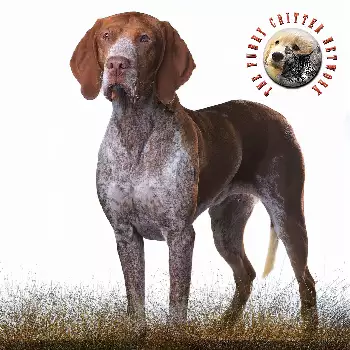

Collars, Harnesses & Leashes

Choosing the right collar for a Bracco Italiano starts with understanding the breed's build. The Bracco has a thick, muscular neck with loose skin and prominent dewlap, which means standard flat collars need to be wide enough to distribute pressure without digging into the folds of skin. A collar width of at least one and a half inches is recommended for comfort. Nylon and leather are both viable materials — nylon is lightweight and easy to clean, while leather softens over time and tends to be more comfortable against the skin for extended wear.

Harnesses are the preferred choice for walks and training, particularly for dogs that pull. A front-clip harness redirects the dog's forward momentum when it pulls, naturally turning the body back toward the handler without putting pressure on the throat. This is especially important for the Bracco Italiano because the breed's long, pendulous ears and loose neck skin make throat pressure from collar-based corrections both uncomfortable and potentially harmful. Back-clip harnesses are fine for well-trained dogs that walk politely on a loose leash.

Leash selection depends on context. A standard six-foot leash provides enough freedom for neighborhood walks while keeping the dog under close control. For field training, a long line of 20 to 30 feet gives the dog room to range and practice recalls without being fully off-leash. Retractable leashes are generally not recommended for large breeds — the thin cord can cause burns or cuts, the locking mechanism can fail under a strong dog's sudden lunge, and the variable length teaches the dog that pulling extends its range.

For hunting and field work, many Bracco Italiano owners use specialized sporting collars that sit higher on the neck and feature minimal hardware to avoid snagging on brush. Blaze orange collars and leads improve visibility in the field and are required during hunting season in many areas. If your Bracco works in water, a waterproof collar made from coated nylon or biothane resists odor buildup and dries quickly.

Grooming Tools

The Bracco Italiano's short, dense coat is relatively low-maintenance compared to long-coated breeds, but it still requires regular grooming to stay healthy and clean. A rubber curry brush or grooming mitt is the most effective everyday tool — the flexible nubs lift loose hair and dirt from the coat while stimulating the skin and distributing natural oils. Weekly brushing sessions keep shedding manageable and give you a chance to check for ticks, scratches, or skin irregularities.

The breed's long, pendulous ears are its most grooming-intensive feature. The ear canal is warm, dark, and poorly ventilated, creating ideal conditions for bacterial and yeast infections. A quality ear cleaning solution and cotton pads should be part of your regular grooming kit. Clean the ears weekly, or more frequently if the dog swims regularly or shows signs of irritation like head shaking or scratching. Avoid cotton swabs inside the ear canal, which can push debris deeper and risk damaging the eardrum.

Nail maintenance is essential for a large, active dog. Overgrown nails alter the dog's gait, cause discomfort, and can lead to joint problems over time. A heavy-duty guillotine or scissor-style nail clipper designed for large breeds handles the Bracco's thick nails effectively. Many owners prefer a rotary nail grinder, which gradually files the nail down and reduces the risk of cutting into the quick. Regardless of the tool, aim to trim or grind nails every two to three weeks.

Bathing should happen as needed rather than on a fixed schedule — typically every four to six weeks for a moderately active companion dog, or more frequently for a field dog that regularly gets into mud, water, or heavy cover. Use a shampoo formulated for dogs, as human shampoo can strip the coat's natural oils and irritate the skin. A detachable showerhead or outdoor hose with a gentle spray attachment makes bathing a large dog significantly easier. Dry the ears thoroughly after every bath to prevent moisture-related infections.

Bowls & Feeders

Bowl selection for a Bracco Italiano involves more than just aesthetics. Stainless steel bowls are the gold standard — they're durable, easy to sanitize, resistant to bacterial buildup, and heavy enough to stay in place during feeding. Ceramic bowls are another solid option and come in heavier designs that resist tipping, but they can chip or crack over time, creating crevices where bacteria can harbor. Plastic bowls are best avoided, as they can leach chemicals, scratch easily creating bacterial hiding spots, and occasionally cause contact dermatitis on the chin and muzzle.

Slow-feeder bowls deserve serious consideration for this breed. The Bracco Italiano can be an enthusiastic eater, and rapid consumption increases the risk of bloat — a life-threatening condition in deep-chested breeds. Slow feeders use ridges, mazes, or raised patterns to force the dog to work around obstacles, extending mealtime from seconds to minutes. This not only reduces bloat risk but also provides mild mental stimulation at each meal.

Elevated feeding stations were once widely recommended for large breeds as a bloat prevention measure. However, research in recent years has produced mixed results, with some studies suggesting elevated bowls may actually increase bloat risk in certain breeds. Discuss this with your veterinarian before investing in an elevated stand. If you do use one, the top of the bowl should sit at approximately the height of the dog's lower chest — not higher — to allow a comfortable eating posture.

Water bowls should be large enough to hold a generous supply, as a Bracco Italiano can drink a surprising volume of water, especially after exercise. Consider a high-capacity water dispenser or a bowl with a reservoir that automatically refills. Stainless steel is again the best material choice, and washing the water bowl daily prevents the formation of biofilm — the slimy coating that develops on surfaces in contact with standing water.

Travel Gear

Traveling with a Bracco Italiano requires planning around the dog's size. A vehicle-rated crash-tested harness is the safest way to secure the dog during car travel. These harnesses attach to the vehicle's seatbelt system and are designed to restrain the dog in the event of a sudden stop or collision. Not all dog seatbelt harnesses are actually crash-tested, so look for products that have been evaluated by an independent testing organization and are rated for dogs in the 70-to-90-pound range.

Cargo area barriers and travel crates are alternatives for SUVs, vans, and larger vehicles. A sturdy barrier between the cargo area and the passenger compartment keeps the dog contained while giving it room to lie down comfortably. For maximum safety, a crash-rated travel crate bolted or strapped into the cargo area provides both containment and impact protection. The crate should be large enough for the dog to stand, turn, and lie down — the same sizing guidelines as a home crate.

Portable water bowls, collapsible food dishes, and travel-sized portions of the dog's regular food make road trips and day outings smoother. Silicone collapsible bowls pack flat and weigh almost nothing, making them easy to toss in a bag or clip to a leash. Bring more water than you think you'll need — a large, active dog in warm weather can go through a surprising amount during a day trip, and finding a clean water source on the road isn't always straightforward.

For air travel, check airline requirements well in advance. A Bracco Italiano's size means it will need to travel in the cargo hold in an airline-approved crate, which has specific requirements for dimensions, ventilation, fastener types, and labeling. Acclimate the dog to the travel crate at home weeks before the trip to reduce stress. Direct flights are always preferable to connections, and extreme temperature restrictions may limit when and where the dog can fly.

Safety & ID

Identification is the single most important accessory for any dog. A microchip, implanted by a veterinarian, provides permanent identification that cannot be lost, removed, or damaged. Microchips are the size of a grain of rice, are injected under the skin between the shoulder blades, and contain a unique ID number linked to your contact information in a national database. Keep your registration current — a microchip is useless if the database has an old phone number or address.

ID tags remain essential as the first line of identification because they provide instant, readable information without requiring a scanner. A durable metal tag with the dog's name and your phone number — at minimum — should be attached to the collar at all times. Slide-on tags that lie flat against the collar are quieter than hanging tags and less likely to snag on brush during field work. Include your veterinarian's number or a secondary contact as a backup.

Reflective and LED accessories improve nighttime visibility dramatically. A reflective collar, clip-on LED light, or reflective vest makes the dog visible to drivers during early morning and evening walks. This is especially important for a large, dark-colored Bracco Italiano, which can be nearly invisible on unlighted roads. Many sporting collars and harnesses now incorporate reflective stitching or panels as a standard feature.

First aid preparedness is an often-overlooked aspect of safety gear. A canine-specific first aid kit should live in your car or field bag and include items like self-adhesive bandage wrap, antiseptic solution, tick removal tools, styptic powder for nail bleeding, an emergency muzzle, and a card with your veterinarian's and the nearest emergency clinic's contact information. Familiarize yourself with basic canine first aid procedures — knowing how to handle a cut paw pad, a porcupine encounter, or a heat exhaustion episode can make the difference between a minor incident and a veterinary emergency.

Seasonal Gear

Summer gear for the Bracco Italiano focuses on heat management and sun protection. A cooling vest or bandana uses evaporative cooling to lower the dog's body temperature during outdoor activity in warm weather. These products are soaked in water, wrung out, and worn by the dog — as the water evaporates, it draws heat away from the body. Portable shade structures, pop-up tents, or simple beach umbrellas provide relief during field training or outdoor events where natural shade is limited.

Paw protection matters year-round but varies by season. In summer, asphalt and concrete can reach temperatures high enough to burn paw pads — if the surface is too hot for the back of your hand, it's too hot for your dog's feet. Protective paw wax creates a barrier between the pad and the hot surface without the restriction of boots. In winter, dog boots protect against ice, salt, and chemical de-icers, though not every Bracco will tolerate them immediately. Introduce boots gradually with positive reinforcement.

Winter gear for the Bracco Italiano should address the breed's short coat and limited natural insulation. A well-fitted dog coat or jacket that covers the chest and belly provides warmth during cold-weather walks and outdoor time. Look for water-resistant outer shells and fleece or insulated linings. The fit should allow full range of motion without shifting or bunching — a coat that rides up or slides sideways provides uneven coverage and can restrict movement.

Rainy-season gear is straightforward but useful. A lightweight, waterproof dog raincoat keeps the coat dry during wet walks, which reduces post-walk cleanup and helps the dog maintain body temperature in cold rain. A highly absorbent drying towel or chamois kept by the door makes quick work of drying the dog after wet outings. For the Bracco's ears specifically, a gentle pat-dry after rain exposure helps prevent the moisture buildup that contributes to ear infections.

Always consult a qualified professional before making any health-related decisions. This content is provided for informational reference only and should not replace professional guidance specific to your animal.