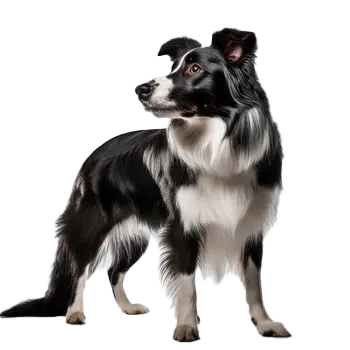

Space Requirements

Border Collies are not apartment dogs by default. While it is technically possible to keep a Border Collie in a smaller living space, doing so requires a significant daily commitment to outdoor exercise, mental stimulation, and structured activity. Without adequate outlets for their energy, Border Collies in confined spaces frequently develop destructive behaviors, excessive barking, and anxiety-driven habits like pacing or obsessive licking.

Ideally, a Border Collie's home includes access to a securely fenced yard. This breed is remarkably agile and can clear standard four-foot fences with little effort, so a fence height of at least five to six feet is strongly recommended. Some Border Collies are also skilled diggers, so reinforcing the fence line at ground level with buried wire or concrete footers can prevent escapes. The yard does not need to be enormous, but it should offer enough room for the dog to sprint, play fetch, and move freely.

Indoor space should include a designated area where the dog can retreat and rest undisturbed. Border Collies are intensely attuned to household activity and can become overstimulated in chaotic environments. A quiet corner with a bed or crate gives the dog a reliable decompression zone, which is especially important in homes with young children or frequent visitors.

If you live in an apartment or home without a yard, plan for a minimum of two hours of vigorous daily exercise outside the home, plus structured indoor enrichment activities. Dog parks, hiking trails, and open fields are excellent resources, but they supplement rather than replace the need for a consistent daily routine.

Crates & Kennels

A properly sized crate is one of the most useful tools for Border Collie ownership. It serves as a safe den space, aids in housetraining, prevents destructive behavior when the dog is unsupervised, and provides a familiar refuge during travel or stressful situations. The ideal crate size for an adult Border Collie is 42 inches long, which allows the dog to stand, turn around, and lie down comfortably without excess space that undermines the den-like feel.

Wire crates offer excellent ventilation and visibility, making them a popular choice for home use. Many models fold flat for storage or transport, and they accommodate clip-on water bowls and crate covers. A cover draped over three sides can create a more enclosed, calming environment without restricting airflow through the front panel.

Plastic or airline-style kennels are the better choice for travel, particularly air travel, where rigid construction and secure latching mechanisms are typically required by carriers. These kennels also provide a more enclosed feel that some dogs find naturally calming. They are less ventilated than wire crates, so they are not ideal for warm environments without climate control.

Crate training should be a gradual, positive process. Border Collies are intelligent enough to form strong associations quickly, so early experiences with the crate must be pleasant. Feeding meals inside the crate, offering high-value treats, and keeping initial confinement periods short all help build a positive relationship with the space. A Border Collie that views its crate as a punishment will resist it, and forcing the issue only increases anxiety.

Beds & Sleeping Areas

Border Collies benefit from a bed that supports their joints while withstanding their active lifestyle. Orthopedic foam beds are an excellent choice, particularly for adult and senior dogs. The dense foam distributes weight evenly and reduces pressure on hips, elbows, and shoulders — areas where calluses and soreness can develop in dogs that sleep on hard surfaces. Look for beds with removable, machine-washable covers, as Border Collies shed heavily and their bedding will need frequent cleaning.

Bolster-style beds with raised edges appeal to many Border Collies, who tend to curl up when sleeping and appreciate something to rest their heads against. Elevated cot-style beds are another strong option, especially in warmer climates. These beds allow air to circulate beneath the dog, keeping them cooler than ground-level options. They are also easier to keep clean and resist the moisture and odor absorption that plagues fabric-filled beds over time.

Placement matters as much as the bed itself. Position the bed in a low-traffic area where the dog can observe the household without being in the middle of constant movement. Border Collies are watchful by nature and prefer a vantage point that lets them monitor their surroundings while still feeling secure. Avoid placing beds near exterior doors, washing machines, or other sources of sudden noise that may startle the dog during rest.

Many Border Collie owners find it helpful to have multiple beds throughout the home — one in the main living area, one in the bedroom, and one inside the crate. This gives the dog comfortable resting options regardless of where the family activity is centered and reduces the likelihood of the dog claiming furniture as a substitute.

Outdoor Enclosures

Outdoor kennels and exercise pens can extend your Border Collie's usable space, but they should never serve as the dog's primary living quarters. Border Collies are deeply social dogs that bond intensely with their families, and prolonged isolation in an outdoor enclosure can trigger serious behavioral and emotional problems, including separation anxiety, excessive barking, and escape attempts.

When selecting an outdoor kennel or run, prioritize sturdy construction. Chain-link panels with a minimum gauge of 11 are standard for medium to large dogs. The enclosure should include a roof or cover to provide shade and prevent climbing escapes — Border Collies are exceptional climbers and will scale an uncovered chain-link wall if motivated. A concrete or paver base prevents digging out and simplifies cleaning.

Portable exercise pens made from heavy-gauge wire panels are useful for temporary containment during yard work, outdoor events, or camping. Choose a pen height of at least 36 to 42 inches, and be aware that a determined Border Collie can topple a lightweight pen by leaning against it. Staking the pen to the ground or weighting the base adds necessary stability.

Always provide fresh water, shade, and shelter within any outdoor enclosure. A raised platform or dog house within the run gives the dog a dry, elevated resting surface. Ensure the enclosure is positioned away from direct afternoon sun in summer and is protected from wind and precipitation in colder months.

Climate Considerations

Border Collies have a thick double coat that provides excellent insulation in cold weather. They generally handle temperatures down to about 20 degrees Fahrenheit without significant discomfort, though individual tolerance varies based on coat density, age, and overall health. In cold climates, an insulated dog house with a raised floor and a wind-blocking entrance flap can serve as effective outdoor shelter during brief unsupervised periods.

Heat is a far greater concern for this breed. The same dense coat that protects against cold traps heat in warm weather, and Border Collies are at elevated risk for heat exhaustion and heatstroke during summer months. Indoor housing should include climate control — air conditioning or at minimum strong ventilation and fans. Outdoor time during hot weather should be limited to early morning and evening hours, with access to shade and fresh water at all times.

Cooling products such as gel mats, elevated mesh beds, and cooling vests can provide meaningful relief during warm weather. Gel cooling mats work by absorbing body heat without requiring refrigeration or electricity, making them convenient for both indoor and outdoor use. Cooling vests use evaporation to lower body temperature during walks or outdoor activities.

For homes in regions with extreme seasonal variation, plan your housing setup to adapt. A crate or bed positioned near a drafty window in winter may need to move to a cooler interior room in summer. Tile or hardwood floors stay cooler than carpet, so giving your Border Collie access to hard flooring during hot months can make a noticeable difference in their comfort level.

Multi-Pet Households

Border Collies can coexist well with other pets when introductions are managed carefully and resources are not a source of competition. In multi-dog households, each dog should have its own crate, bed, and feeding station. Shared sleeping spaces can work for dogs with established, friendly relationships, but having individual retreat options available prevents conflict and reduces stress for all animals involved.

The herding instinct in Border Collies presents a unique challenge in multi-pet homes. This breed has a strong drive to chase, circle, and control the movement of other animals — including cats, smaller dogs, and even children. While this behavior is not aggressive in intent, it can be stressful and physically dangerous for the animals being herded. Providing the Border Collie with sufficient physical and mental outlets for this drive helps reduce its expression toward housemates.

When setting up housing for a multi-pet household, consider sight barriers and separate zones. Baby gates, closed doors, and staggered access to common areas allow you to manage interactions and give each animal uninterrupted rest time. This is especially important during the initial integration period, which can take weeks or months depending on the temperaments involved.

Feeding stations should be separated to prevent resource guarding, even in dogs that have never shown food aggression. Border Collies are fast eaters and may finish their own meal and attempt to access another pet's food, which can spark conflict. Feeding in crates or in separate rooms eliminates this risk entirely and allows you to monitor each animal's intake individually.

Always consult a qualified professional before making any health-related decisions. This content is provided for informational reference only and should not replace professional guidance specific to your animal.