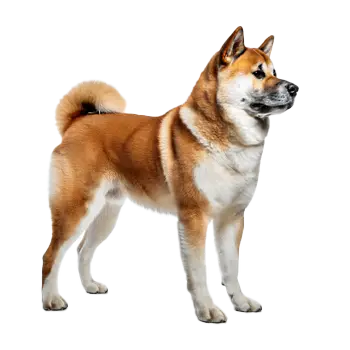

Play Style & Drive

Understanding how an Akita plays is essential before investing in toys. Unlike retrievers that endlessly chase a ball or herding breeds that thrive on structured agility tasks, Akitas tend to be more deliberate and independent in their play. They often prefer activities that engage their problem-solving instincts rather than repetitive fetch cycles. Many Akitas will retrieve a ball two or three times, then look at you as if to ask why you keep throwing it.

The breed's hunting heritage shows up in play as stalking, pouncing, and shaking behaviors. Akitas often grab a toy, shake it vigorously, and then settle down to dissect it methodically. This means that toys need to withstand powerful jaws and sustained gnawing. It also means that interactive play with an Akita often looks different than with other breeds — short, intense bursts of engagement rather than long marathon sessions.

Akitas are also highly intelligent and become bored quickly with toys that present no challenge. A toy that was fascinating yesterday may be completely ignored today if the dog has already figured it out. Rotating toys on a weekly basis — keeping some in a closet and cycling them back in — helps maintain novelty and interest without constantly buying new products.

Social play with other dogs requires careful management. Akitas can play roughly and may not tolerate being mounted, pinned, or crowded by other dogs. Off-leash dog park play is generally not recommended for the breed. Instead, structured play sessions with known, compatible dogs in controlled environments are safer and more enjoyable for everyone involved.

Interactive & Puzzle Toys

Puzzle toys are arguably the most valuable category for Akitas. These dogs are intelligent enough to solve basic puzzles quickly, so look for products with adjustable difficulty levels that can grow with your dog's skills. Sliding-panel puzzles, treat-dispensing mazes, and multi-step toys that require the dog to lift lids, pull drawers, and spin compartments are all good options.

Snuffle mats and foraging toys tap into the Akita's natural scenting abilities. Scattering kibble across a textured mat or hiding treats in a rolled-up towel forces the dog to use its nose rather than its eyes, providing mental exhaustion that rivals physical exercise. A ten-minute snuffle session can tire out an Akita as effectively as a short walk.

Stuffable toys that can be filled with a mixture of wet food, peanut butter, or yogurt and then frozen create long-lasting engagement. The frozen filling forces the dog to work patiently, licking and gnawing to extract the reward. These are particularly useful for crate time, during meals when you need the dog occupied, or on days when outdoor exercise is limited by weather.

Interactive play between dog and owner should not be overlooked. Tug-of-war is a favorite for many Akitas and provides both physical exertion and bonding time. Use a sturdy rope or rubber tug toy designed for large breeds, and establish clear rules — the game starts and stops on your cue, and the dog must release on command. These boundaries channel the Akita's intensity into a constructive, rule-governed activity.

Chew Toys & Durability

Akitas are powerful chewers, and durability is the single most important factor when selecting chew toys. Standard plush toys, thin rubber squeakers, and lightweight plastic products will be destroyed within minutes and can present choking hazards when the dog tears off and swallows small pieces. Always choose toys specifically rated for heavy or aggressive chewers.

Solid rubber toys designed for large, powerful breeds are the most reliable option. Look for products made from natural rubber or ultra-durable thermoplastic compounds that can withstand sustained pressure without cracking, splintering, or breaking into ingestible fragments. The toy should have some give — rigid, unyielding materials can damage teeth — but should not be soft enough that the dog can tear chunks off with normal chewing.

Nylon and composite chew bones offer an alternative for dogs that prefer gnawing to active play. These products are designed to wear down gradually under chewing without breaking into sharp pieces. Choose appropriately sized options — a chew bone intended for a medium dog will be swallowed or become a choking risk for an Akita. When the chew wears down to a size small enough to fit entirely in the dog's mouth, replace it.

Natural chews like bully sticks, tendons, and raw marrow bones appeal to many Akitas and provide dental cleaning benefits alongside entertainment. However, they require supervision. Cooked bones of any kind should never be given, as they can splinter and cause internal injuries. Raw bones should be large enough that the dog cannot attempt to swallow them whole, and all natural chews should be taken away once they are small enough to present a choking hazard.

Fetch & Outdoor Toys

While Akitas are not the most enthusiastic fetchers in the dog world, many do enjoy retrieving games on their own terms. Large rubber balls — too big to swallow but easy to carry — work better than tennis balls, which can compress and lodge in the throat of a large dog. Solid rubber balls with some bounce are ideal and withstand the Akita's bite force better than hollow alternatives.

Flirt poles are an underrated option for Akitas that taps directly into their prey drive. A flirt pole consists of a long handle with a lure attached by a rope or bungee cord, which you swing and drag along the ground while the dog chases and pounces. This provides intense physical exercise in a compact space and satisfies the Akita's stalking and capture instincts. Sessions should be kept short — five to ten minutes — to avoid joint strain in a heavy breed.

Water toys can be hit or miss with Akitas. Some enjoy wading and splashing, while others want nothing to do with water. If your Akita likes water play, floating toys made from buoyant rubber or foam provide entertainment during supervised swimming sessions. Never force an Akita into water, and always provide a gentle slope or ramp for easy exit if playing near pools or ponds.

Tug toys designed for outdoor use, including heavy-duty rope rings and rubber tug bars, are excellent for interactive play in the yard. These provide both exercise and training opportunities, as you can incorporate commands like "take it," "drop it," and "wait" into the game. Choose tug toys long enough to keep your hands well away from the dog's mouth during play — at least 24 inches end to end.

Comfort & Companion Toys

Not all toys need to be indestructible workout equipment. Many Akitas develop attachments to specific comfort objects, carrying a particular toy to their bed or resting with it during quiet hours. These companion toys serve an important emotional function, particularly for Akitas that experience separation anxiety or stress during changes in routine.

When selecting comfort toys, look for products that are durable enough to survive being carried and gently mouthed but soft enough to serve as a pillow or cuddle object. Reinforced plush toys with double-stitched seams and minimal small parts — no plastic eyes, no dangling ribbons — strike the right balance. Expect that even a comfort toy will eventually need replacement, but a well-made one should last weeks or months rather than being shredded on day one.

Heartbeat and warmth-simulating toys can be especially helpful for Akita puppies transitioning to a new home. These products mimic the presence of littermates and can reduce nighttime crying, crate anxiety, and stress-related behaviors during the first weeks in a new environment. While designed primarily for puppies, some adult Akitas also find comfort in these items during thunderstorms, fireworks, or other anxiety-inducing events.

Scented toys or toys that can hold a worn piece of the owner's clothing inside them offer another layer of comfort for Akitas that are closely bonded to their people. The familiar scent can ease anxiety during the owner's absence and make crate time or alone time less stressful. This approach is simple, costs nothing extra, and is remarkably effective for a breed that forms deep attachments to its primary handler.

DIY & Budget Options

You do not need to spend a fortune to keep your Akita entertained. Many of the most effective enrichment activities can be created at home with items you already have. A muffin tin with tennis balls covering treats in each cup creates an instant puzzle toy. A cardboard box filled with crumpled paper and hidden kibble becomes a foraging challenge. An old towel rolled and knotted makes a satisfying tug toy.

Frozen enrichment is one of the cheapest and most effective DIY options. Fill a bowl or container with water, drop in some treats or kibble, and freeze it overnight. The resulting ice block provides extended entertainment as the dog licks and nudges it to release the frozen rewards. In summer, this doubles as a cooling activity. You can also freeze chicken broth or diluted plain yogurt for added appeal.

DIY snuffle mats can be made from a rubber sink mat and strips of fleece fabric tied through the holes. Scatter kibble among the fabric strips, and the dog must root through the material to find each piece. These mats are inexpensive to make, machine-washable, and provide the same mental stimulation as commercial versions at a fraction of the cost.

Safety is the critical consideration with any homemade toy. Avoid items small enough to be swallowed, materials that could splinter or shred into ingestible threads, and anything with toxic coatings or finishes. Supervise your Akita with DIY toys just as you would with any commercial product, and discard items as soon as they show significant wear. The goal is to supplement your toy rotation affordably, not to replace purpose-built products that are engineered for safety with heavy chewers.

Always consult a qualified professional before making any health-related decisions. This content is provided for informational reference only and should not replace professional guidance specific to your animal.