
Play Style & Behavior

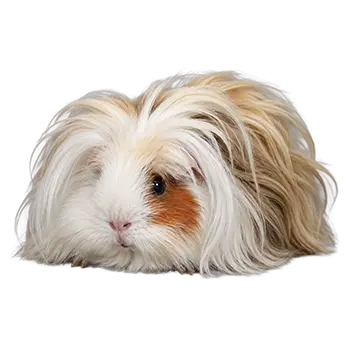
Texel guinea pigs are curious and moderately active animals that express their playfulness differently than predator species like dogs or cats. Rather than chasing, pouncing, or retrieving, guinea pigs engage the world through exploration, foraging, and social interaction. Understanding this play style is essential for choosing enrichment products that your Texel will actually use rather than ignore.

The Texel's long, curly coat introduces a practical consideration that affects toy selection. Items with small openings, rough edges, protruding wires, or fibrous textures can snag and tangle the coat, creating mats that are painful to remove and potentially harmful to the skin beneath. Smooth-surfaced toys, wide-opening tunnels, and items without dangling threads or thin cords are preferable for this breed.

Guinea pigs are most active during dawn and dusk, with shorter activity bursts scattered throughout the day. You may notice your Texel engaging in popcorning — sudden, joyful jumps and twists — during these peak activity windows, especially when fresh hay is offered or a new item is introduced to the enclosure. This behavior is a strong indicator of contentment and a sign that your enrichment setup is working.

Social play is a major component of guinea pig enrichment. Texels housed in pairs or groups will chase, rumble, and engage in gentle sparring with each other in ways that no toy can replicate. If you keep a single guinea pig, human interaction becomes even more important for meeting social stimulation needs. Floor time outside the cage, gentle handling, and verbal interaction all contribute to a Texel's social well-being.

Interactive & Puzzle Toys

Puzzle feeders and foraging toys are among the most effective enrichment tools for guinea pigs because they tap into the natural drive to search for food. Simple designs work best — guinea pigs are not rodent puzzle masters like rats, and overly complex mechanisms will frustrate rather than engage them. A treat ball that releases small pieces of hay or pellets as it rolls, or a snuffle mat with hidden vegetable pieces, provides the right level of challenge.

Paper bags stuffed with hay make excellent low-cost puzzle toys. Guinea pigs will shred the paper to access the hay inside, combining foraging behavior with the satisfying texture of tearing. Ensure the bags are plain, unprinted, and free of adhesive tape or staples. Toilet paper rolls stuffed with hay and folded at the ends serve a similar purpose and can be replaced daily at virtually no cost.

Wooden treat holders that require the guinea pig to lift, slide, or push small covers to access food provide gentle cognitive stimulation. Look for untreated, food-safe wood construction and avoid designs with small removable parts that could be swallowed. The difficulty level should allow your Texel to succeed within a reasonable amount of effort — the goal is engagement, not frustration.

Rotating puzzle toys on a weekly basis keeps them novel and interesting. Guinea pigs habituate quickly to familiar objects, and a toy that generated excited exploration on day one may be completely ignored by day five. Keeping a small rotation of three or four puzzle items and cycling them in and out of the enclosure maintains their novelty value without requiring a large investment.

Chew Toys & Dental Health

Guinea pig teeth grow continuously throughout life, and providing appropriate chewing opportunities is essential for dental health. Without adequate wear, teeth can become overgrown and misaligned, leading to painful malocclusion that interferes with eating and requires veterinary intervention. While hay is the primary source of dental wear, chew toys provide supplementary grinding surfaces and enrichment value.

Apple wood sticks, willow sticks, and pear wood branches are safe, popular chewing options that most guinea pigs find appealing. The wood should be untreated and pesticide-free — sticks from pet supply sources are generally safer than those harvested from unknown trees. Avoid cherry, plum, peach, and other stone fruit woods, as they can contain trace amounts of cyanide compounds in the bark and cambium layer.

Woven grass and hay balls offer both chewing and foraging value. Guinea pigs will gnaw on the exterior while pulling strands from the interior, combining dental wear with the satisfying behavior of hay extraction. These are disposable items that should be replaced once they become soiled or compressed beyond usefulness, typically every few days to a week depending on how enthusiastically they are used.

Mineral and salt licks are commonly marketed for guinea pigs but are generally unnecessary and potentially harmful when a proper diet is being fed. Guinea pigs receiving adequate pellets and fresh vegetables are already meeting their mineral requirements, and excess mineral intake — particularly calcium — can contribute to urinary stone formation. If your veterinarian specifically recommends a mineral supplement, follow their guidance, but routine provision of mineral blocks is not supported by current cavy nutrition research.

Tunnels & Hideaways

Tunnels are among the most universally loved enrichment items for guinea pigs. They satisfy the instinct to seek cover and create pathways through the enclosure that encourage movement and exploration. For Texels, tunnel diameter is a critical consideration — the tunnel must be wide enough that the coat does not drag along the interior walls, as friction-induced matting in the belly and side coat is a common problem with narrow tunnels. A minimum interior diameter of six inches is recommended for adult Texels.

Fleece tunnels are popular because they are soft, machine-washable, and gentle on long coats. They collapse for easy storage and can be repositioned within the enclosure to create new layouts. The downside is that fleece tunnels need frequent laundering to prevent odor buildup and bacterial growth. Rigid tunnels made from smooth plastic or bent wood offer more structural permanence but are harder to clean and less adaptable to different cage configurations.

Hidey houses serve a different but equally important function. Every guinea pig needs at least one enclosed hiding spot where it can retreat when feeling stressed, startled, or simply in need of rest. In multi-pig enclosures, there should be at least one hidey per guinea pig plus one extra to prevent resource competition. Wooden hidey houses are durable and chewable, though they eventually absorb urine odor and need replacement. Fleece-covered or fabric hidey houses are softer and coat-friendlier but require regular washing.

Bridges, ramps, and low platforms can add mild vertical variety to the enclosure without the risks associated with tall multi-level cages. Guinea pigs enjoy gentle elevation changes and will often rest on a low platform to survey their surroundings. Ensure any elevated surface has solid, non-slip flooring and low guard edges, and that the incline of any ramp is gentle enough for a guinea pig to navigate comfortably without risk of falling.

Foraging & Exploration

Foraging enrichment transforms passive feeding into active engagement, which is one of the most impactful improvements you can make to a guinea pig's daily life. Rather than placing all hay in a single rack and all vegetables in a single bowl, distributing food throughout the enclosure encourages movement, exploration, and natural browsing behavior that guinea pigs are biologically wired to perform.

Hay can be offered in multiple locations and formats — a standard hay rack, a paper bag stuffed with hay, a hay pile behind a tunnel, and loose hay scattered across a section of the enclosure all serve different foraging purposes simultaneously. This multi-station approach also ensures that subordinate guinea pigs in group housing can always access food without competing with dominant cage mates for a single resource point.

Vegetable treasure hunts add another layer of enrichment. Tucking small pieces of bell pepper or herbs inside hay piles, behind hidey houses, or inside paper tubes transforms vegetable time from a passive bowl experience into an active search. Most guinea pigs quickly learn to investigate novel locations and items in anticipation of hidden food, and the anticipatory exploration itself provides significant mental stimulation.

Novel objects introduced periodically can spark curiosity and encourage investigation. A crumpled piece of plain paper, a cardboard box with guinea-pig-sized doorways cut into it, or a small pile of dried leaves from safe trees all offer temporary novelty that enriches the environment. These items should be monitored for chewing safety and removed once they become soiled, but their low cost makes them ideal for frequent rotation.

DIY & Budget Options

Some of the most effective guinea pig enrichment items cost nothing at all. Cardboard boxes from everyday deliveries can be transformed into hidey houses, tunnels, and foraging puzzles with nothing more than scissors and a few minutes of effort. Cut multiple doorways into a medium-sized box to create a multi-entrance hideout, or connect several boxes with archways to build an exploration maze. Replace the setup weekly as the cardboard becomes soiled or chewed through.

Paper towel and toilet paper rolls are endlessly versatile. Stuff them with hay for a simple foraging challenge, arrange them vertically in a small box to create a hay-dispensing puzzle, or simply offer them loose for shredding and pushing around. These items are safe if ingested in small amounts and provide satisfying textural variety. Avoid rolls from wrapping paper or aluminum foil, as these may have adhesive or metallic residues.

Fleece scraps from old blankets or fabric store remnants can be sewn into simple tunnels, sleeping sacks, or nest pads with basic sewing skills. A rectangular fleece piece folded in half and stitched along the long edge creates a tube tunnel that can be machine-washed weekly. Fleece forests — strips of fleece tied to a cage grid panel to create a curtain — offer a tactile enrichment experience that many guinea pigs enjoy walking through.

Safe herb and grass gardens grown in shallow containers provide living enrichment that doubles as fresh food. Wheatgrass, parsley, cilantro, and basil can all be grown indoors in a sunny window and offered to guinea pigs once established. The act of nibbling directly from a growing plant is qualitatively different from eating cut herbs from a bowl and provides a richer sensory experience. Just ensure the growing medium is organic and free of pesticides or chemical fertilizers.

Always consult a qualified professional before making any health-related decisions. This content is provided for informational reference only and should not replace professional guidance specific to your animal.