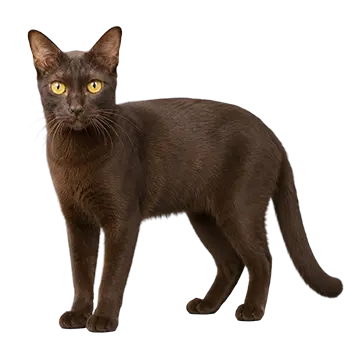

Play Style & Drive

The Suphalak is a naturally athletic and curious breed with a strong prey drive that translates into enthusiastic and sustained play sessions. Unlike some breeds that lose interest in toys quickly, the Suphalak tends to remain engaged and will actively seek out interaction with both toys and their human companions. Understanding this play style is essential for selecting toys that will hold up to regular use and provide genuine mental and physical stimulation.

This breed excels at stalking, chasing, and pouncing, which are behaviors rooted in their predatory instincts. Toys that mimic the movement patterns of small prey animals — erratic darting, fluttering, and sudden stops — are most effective at capturing and sustaining a Suphalak's attention. Static toys that sit motionless tend to be ignored after the initial novelty wears off, so movement and unpredictability are key qualities to prioritize.

The Suphalak's intelligence means they can quickly figure out how a toy works, which may lead to boredom if the toy offers no variation. Rotating toys on a weekly basis keeps the environment fresh and prevents any single toy from becoming stale. Store unused toys out of sight and reintroduce them after a period of absence, and most Suphalaks will greet them with renewed interest as if encountering them for the first time.

Play sessions serve a dual purpose for the Suphalak: physical exercise and social bonding. This breed forms strong attachments to their owners and often prefers interactive play over solitary amusement. Dedicating fifteen to twenty minutes twice daily to active play with your Suphalak strengthens your relationship while channeling their energy into constructive activity rather than destructive behavior.

Interactive & Puzzle Toys

Puzzle feeders and treat-dispensing toys are outstanding enrichment tools for the Suphalak's active mind. These toys require the cat to manipulate compartments, slide panels, or navigate obstacles to access hidden treats, engaging problem-solving skills that keep this intelligent breed mentally sharp. Start with simpler puzzles and gradually increase difficulty as your cat masters each level to maintain an appropriate challenge.

Wand toys and fishing-rod-style toys are the cornerstone of interactive play for most Suphalaks. The combination of an unpredictable lure at the end of a string and the direct involvement of a human controller creates the most stimulating play experience available. Vary your movements between fast sweeps across the floor, slow drags behind furniture, and sudden aerial flutters to simulate different types of prey and keep your cat's interest at peak levels.

Electronic interactive toys that move autonomously can supplement human-led play when you are unavailable. Robotic mice, laser-chasing devices with randomized patterns, and motion-activated toys provide stimulation for the Suphalak during work hours or other times when direct interaction is not possible. However, these should never fully replace hands-on play, which provides social enrichment that automated toys cannot replicate.

Training-based enrichment is another excellent option for the Suphalak. This breed's intelligence and desire to interact with people make them surprisingly responsive to clicker training and trick learning. Teaching your Suphalak to sit, high-five, or retrieve a toy on command provides mental stimulation that is fundamentally different from standard play and deepens the bond between cat and owner.

Chew & Kick Toys

Kick toys, sometimes called bunny-kick toys, are elongated plush toys designed for cats to grab with their front paws and kick vigorously with their hind legs. This behavior is instinctive and provides excellent exercise for the core muscles and hind limbs. The Suphalak's muscular build and strong play drive make them enthusiastic users of kick toys, so choose models made with reinforced stitching and durable outer fabrics that can withstand repeated attacks.

Catnip-filled and silvervine-infused toys add an extra layer of appeal for many Suphalaks. Approximately sixty to seventy percent of cats respond to catnip, while silvervine tends to elicit a response in a higher percentage, including some cats that are indifferent to catnip. Offering both allows you to determine which substance your Suphalak prefers. Refillable toys that allow you to replace the catnip or silvervine maintain their potency far longer than permanently sealed versions.

Dental chew toys designed for cats can contribute to oral health while satisfying the urge to bite and gnaw. Look for textured rubber or mesh toys specifically marketed for feline dental care, as these are sized and textured appropriately for a cat's mouth. Avoid dog chew toys, which are typically too large and too hard for safe feline use and could cause dental fractures or choking.

Safety should guide all chew toy selections. Inspect toys regularly for signs of wear, including loose threads, exposed stuffing, and detached components like eyes or bells. The Suphalak's vigorous play style means toys will degrade faster than with less active breeds. Discard any toy that shows structural compromise, as ingested stuffing, thread, or small parts can cause serious gastrointestinal blockages.

Chase & Hunting Toys

Ball toys remain a simple but effective staple for the Suphalak. Lightweight balls that skitter unpredictably across hard floors trigger the chase instinct and provide bursts of high-intensity exercise. Balls with bells or rattles inside add an auditory element that maintains interest even when the ball rolls out of sight. Avoid foam balls or those made of materials that can be easily torn apart and swallowed.

Track toys with enclosed balls or spinning elements allow the Suphalak to bat, chase, and stalk without the toy rolling under furniture and becoming irretrievable. Multi-level track designs with intersecting paths offer added complexity that engages the cat's problem-solving instincts alongside their physical reflexes. These toys work well as independent play options because the enclosed design keeps the toy accessible and in motion with minimal human involvement.

Feather toys, whether attached to wands or presented as standalone teasers, are perennial favorites for the Suphalak. The visual flutter and tactile sensation of feathers closely mimic small birds, which triggers intense predatory focus. Natural feather attachments tend to be more engaging than synthetic alternatives, but they are also more fragile. Keep spare feather attachments on hand and supervise feather play to prevent ingestion of quills or barbs.

Laser pointers can provide vigorous exercise but should be used with a critical caveat: always end a laser session by directing the dot onto a physical toy or treat that the cat can catch. Chasing a light they can never capture can cause frustration and anxiety in some cats, particularly intelligent breeds like the Suphalak that are driven by the satisfaction of a successful hunt. Pairing the laser with a tangible reward at the end of the session satisfies the prey-capture cycle and prevents behavioral issues.

Comfort & Companion Toys

The Suphalak's affectionate and people-oriented nature means they can experience loneliness and separation anxiety when left alone for extended periods. Comfort toys, particularly soft plush items that retain the scent of their owner, can provide reassurance during absences. Placing a worn shirt or blanket near your cat's favorite resting spot serves a similar function and costs nothing.

Heartbeat-simulating toys designed for kittens and puppies can also comfort adult Suphalaks that are particularly attached to their owners. These battery-operated plush toys produce a rhythmic pulse that mimics the presence of a living companion. While not all adult cats respond to these devices, those that do often curl up against them during rest periods and show reduced signs of stress when left alone.

Crinkle toys and textured fabric toys appeal to the Suphalak's tactile curiosity. Toys that incorporate multiple textures, such as combinations of smooth fabric, crinkly material, and ribbed surfaces, provide sensory variety that keeps the cat engaged. Small crinkle balls in particular tend to be irresistible to this breed, as the sound produced during batting and carrying mimics the rustling of small prey in undergrowth.

Calming pheromone-infused toys represent a newer category that combines comfort with behavioral support. These toys release synthetic feline facial pheromones that signal safety and familiarity, potentially reducing stress-related behaviors in anxious cats. For a Suphalak transitioning to a new home, recovering from a disruptive event, or adjusting to a change in household composition, pheromone toys can complement other environmental management strategies.

DIY & Budget Options

Some of the most engaging toys for a Suphalak cost little or nothing to make. A crumpled ball of paper, a cork from a wine bottle, or a cardboard tube from a paper towel roll can provide surprisingly sustained entertainment. The Suphalak's strong play drive means they are often more interested in the movement and texture of an object than its retail price. Experiment with household items to discover what captures your specific cat's interest.

Cardboard boxes remain one of the most universally beloved cat toys across all breeds, and the Suphalak is no exception. A large box with entry holes cut into the sides becomes a fortress, hiding spot, and ambush station all in one. Connecting multiple boxes with tunnels cut between them creates an elaborate play structure that can be reconfigured or replaced as boxes wear out, at virtually no cost.

DIY puzzle feeders can be constructed from muffin tins, egg cartons, or plastic containers with holes cut into the lids. Place kibble or treats inside and let your Suphalak work out how to extract them. These homemade puzzles are effective at slowing down fast eaters while providing the same mental stimulation as commercially manufactured puzzle toys. Increase difficulty by adding obstacles like tennis balls placed over muffin tin wells.

Sock toys filled with catnip and tied shut, fleece strips braided into tug toys, and feathers tied to a string and attached to a doorknob are all simple projects that produce functional and entertaining toys. When crafting DIY toys, always prioritize safety by avoiding small components that could be swallowed, strings long enough to entangle, and materials that fray into ingestible threads. Supervise play with homemade toys until you are confident they will hold up to your Suphalak's level of enthusiasm.

Always consult a qualified professional before making any health-related decisions. This content is provided for informational reference only and should not replace professional guidance specific to your animal.