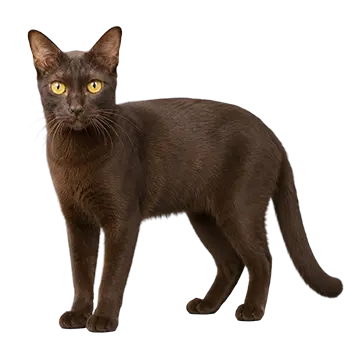

Nutritional Needs

The Suphalak is a medium-sized cat with a solid, muscular frame that demands a protein-rich diet to maintain lean body mass and energy levels. Originating from Thailand, this breed has historically thrived on diets heavy in animal-based proteins, and modern feeding strategies should reflect that biological need. A minimum of thirty to forty percent protein from named animal sources should form the foundation of any diet you select for this breed.

Because the Suphalak tends to be an active and playful cat well into adulthood, caloric intake should be calibrated to support that energy output without encouraging excess weight gain. Obesity in cats of this build can place undue stress on joints and organs, so monitoring body condition score is more useful than relying solely on package feeding guidelines. A healthy Suphalak should have a visible waist when viewed from above and ribs that are easily felt but not prominently visible.

Fat content in the range of twelve to twenty percent provides essential fatty acids that support the Suphalak's characteristically glossy, close-lying coat. Omega-3 and omega-6 fatty acids are particularly important for skin health and coat sheen. Taurine, an amino acid cats cannot synthesize on their own, must be present in adequate quantities to support cardiac function and vision, both critical for this active breed.

Hydration is another essential consideration. Cats in general have a low thirst drive, and the Suphalak is no exception. Incorporating moisture-rich foods into the diet or using water fountains to encourage drinking can help prevent urinary tract issues that are common across many cat breeds. Wet food, raw-inspired diets, or even adding water to dry kibble can all contribute to better hydration.

What to Look For

When evaluating cat food for a Suphalak, start with the ingredient list. The first ingredient should always be a named animal protein such as chicken, turkey, salmon, or duck. Avoid products that list vague terms like "meat meal" or "animal by-products" without further specification, as these ingredients offer inconsistent nutritional quality and digestibility.

Look for foods that use limited and recognizable carbohydrate sources. While cats are obligate carnivores and have minimal carbohydrate requirements, some starch is used in kibble production for binding purposes. Sweet potato, peas, and tapioca are generally well-tolerated options. Corn, wheat, and soy are more commonly associated with sensitivities in some cats and offer less nutritional value relative to their caloric contribution.

Artificial preservatives, colors, and flavoring agents have no place in a quality cat food. Chemical preservatives like BHA, BHT, and ethoxyquin have raised health concerns in long-term feeding studies. Instead, look for foods preserved with mixed tocopherols or rosemary extract, which are natural alternatives that maintain shelf stability without the associated risks.

Finally, check for nutritional adequacy statements. Foods that meet the standards set by recognized pet nutrition authorities for "all life stages" or "adult maintenance" have undergone formulation analysis or feeding trials that confirm they deliver complete and balanced nutrition. This is especially important for a breed like the Suphalak, where sustained vitality and muscle condition depend on consistent, well-rounded nutrient intake.

Recommended Dry Food

Dry kibble remains a practical staple for many Suphalak owners due to its shelf stability, dental benefits, and cost efficiency. When selecting a dry food, prioritize formulas designed for active adult cats with high protein content and moderate fat levels. Grain-free options can work well for Suphalaks that show sensitivities, but grain-inclusive formulas with whole grains like brown rice or oatmeal are equally valid choices if your cat tolerates them without digestive upset.

Kibble size and texture matter more than many owners realize. The Suphalak has a moderately sized jaw, and kibble that is too large or too hard may discourage thorough chewing, leading to faster eating and potential digestive issues. Medium-sized, slightly irregular kibble shapes tend to promote better chewing habits and slower consumption.

Look for dry foods that incorporate functional ingredients beyond basic nutrition. Added probiotics for digestive health, chelated minerals for improved absorption, and named fat sources like chicken fat or salmon oil all indicate a higher-quality formulation. These additions support the Suphalak's overall wellness from gut health to coat condition without requiring a separate supplement regimen.

Store dry food properly to maintain freshness and nutritional integrity. Exposure to air, heat, and moisture degrades fats and vitamins over time. Keep kibble in its original bag inside a sealed container, stored in a cool and dry location. Purchasing bags sized to last no more than four to six weeks helps ensure your Suphalak always receives food at peak quality.

Wet & Fresh Options

Wet food is an excellent dietary component for the Suphalak, primarily because of its high moisture content. With water making up roughly seventy-five to eighty percent of most canned or pouch-style foods, wet options naturally support kidney and urinary tract health. For a breed that may not drink enough water on its own, this built-in hydration is a meaningful advantage.

Pâté, shredded, and chunk-in-gravy styles each offer different textures that may appeal to your Suphalak's preferences. Some cats strongly prefer one consistency over others, and it may take some experimentation to find what your cat enjoys most. Rotating between textures can help prevent pickiness while also broadening the range of proteins and nutrients your cat receives.

Fresh and refrigerated cat food options have gained popularity and can be a worthwhile addition to a Suphalak's diet. These minimally processed formulas often use whole-food ingredients cooked at lower temperatures, which can preserve more of the natural nutrient content compared to traditional canning. They tend to be higher in cost but may offer superior digestibility and palatability for cats that are selective eaters.

If you choose to incorporate raw or lightly cooked diets, do so with careful attention to food safety and nutritional completeness. Raw feeding requires precise formulation to avoid deficiencies in essential nutrients like calcium, phosphorus, and vitamin E. Commercially prepared raw diets that have undergone high-pressure pasteurization offer a safer middle ground between conventional and fully raw feeding approaches.

Treats & Supplements

Treats should complement your Suphalak's diet without undermining its nutritional balance. As a general rule, treats should account for no more than ten percent of daily caloric intake. Single-ingredient freeze-dried treats made from chicken, fish, or liver are among the healthiest options, providing high palatability with minimal additives or fillers.

Dental treats designed to reduce tartar buildup can serve a dual purpose for the Suphalak, offering both a reward and a functional health benefit. Look for products that carry acceptance seals from veterinary dental organizations, as these have been independently verified to deliver on their oral health claims. Avoid treats that are excessively hard, as they can chip teeth, or excessively soft, as they tend to stick to tooth surfaces.

Supplements should generally be unnecessary if your Suphalak is eating a complete and balanced commercial diet. However, specific situations may warrant targeted supplementation. Omega-3 fish oil can enhance coat luster and support joint health in older Suphalaks. Probiotic supplements may benefit cats transitioning between foods or recovering from digestive upset. Always consult with a veterinarian before adding supplements, as over-supplementation of certain vitamins and minerals can cause toxicity.

Hairball remedies and fiber supplements can be helpful for Suphalaks during seasonal shedding periods. Although the Suphalak's short coat produces less loose hair than long-haired breeds, regular ingestion of fur during grooming can still lead to hairball formation. Petroleum-free, fiber-based formulas are generally preferred over traditional petroleum-based pastes.

Foods to Avoid

Certain human foods pose serious health risks to cats, and the Suphalak is no exception. Onions, garlic, chives, and leeks belong to the allium family and can cause oxidative damage to red blood cells, leading to anemia even in small amounts. These ingredients are sometimes hidden in broths, sauces, and baby foods, so always read labels carefully before offering any human food to your cat.

Chocolate and caffeine contain methylxanthines that are toxic to cats and can cause vomiting, elevated heart rate, seizures, and in severe cases, death. Grapes and raisins have been associated with kidney failure in some animals, and while the mechanism is not fully understood in cats, avoidance is strongly recommended. Xylitol, an artificial sweetener found in sugar-free gum and some baked goods, can cause rapid insulin release and liver failure.

Raw eggs and raw fish may contain bacteria such as salmonella or parasites that can cause serious illness. Raw egg whites also contain avidin, a protein that interferes with biotin absorption. Cooked eggs and cooked fish are safe alternatives that provide excellent protein and fatty acid content without the associated risks.

Dairy products are poorly tolerated by most adult cats, including the Suphalak. After weaning, cats typically lose the ability to produce adequate lactase, the enzyme needed to digest lactose. Milk, cheese, and cream can cause diarrhea, bloating, and abdominal discomfort. If your cat enjoys dairy-like treats, look for lactose-free options specifically formulated for cats.

Feeding Schedule

Establishing a consistent feeding schedule supports both digestive health and behavioral stability in the Suphalak. Most adult Suphalaks do well on two measured meals per day, spaced roughly twelve hours apart. This schedule mimics a natural pattern of feast and rest and helps prevent the grazing behavior that can lead to overconsumption and weight gain.

Kittens and young Suphalaks under twelve months of age require more frequent feeding, typically three to four meals per day, to support their rapid growth and higher metabolic rate. As the cat matures, meals can gradually be consolidated. By around one year of age, most Suphalaks can transition comfortably to the standard twice-daily schedule.

Portion sizes should be determined based on your cat's weight, body condition, activity level, and the caloric density of the food you are using. Feeding guides on packaging provide a reasonable starting point but should be adjusted based on individual response. If your Suphalak is gaining weight, reduce portions by ten to fifteen percent and reassess after two weeks. If the cat appears underweight or lethargic, a modest increase may be appropriate.

Free feeding, where food is left out at all times, is generally not recommended for the Suphalak. While some cats self-regulate effectively, many will overeat when given unlimited access. Timed meals also create natural opportunities to monitor appetite, which is one of the earliest indicators of illness. A Suphalak that suddenly refuses a meal or shows reduced enthusiasm for food should be observed closely and seen by a veterinarian if the change persists beyond twenty-four hours.

Always consult a qualified professional before making any health-related decisions. This content is provided for informational reference only and should not replace professional guidance specific to your animal.