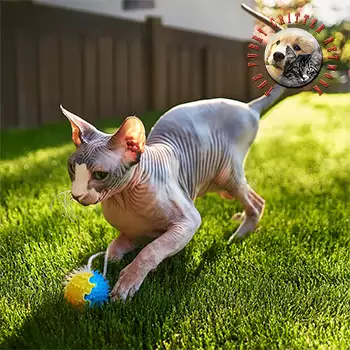

Sphynx cats have a notably higher metabolism than most coated breeds. Without a fur layer to insulate their bodies, they burn more calories simply maintaining core body temperature. This means their daily caloric intake needs to be significantly higher relative to their size, and owners who underfeed a Sphynx will quickly notice weight loss, lethargy, and a decline in skin condition.
Protein should form the foundation of every Sphynx diet. Look for foods where a named animal protein — such as chicken, turkey, salmon, or duck — appears as the first ingredient. Sphynx cats thrive on diets with protein content in the 35–45 percent range for dry food and proportionally higher in wet formulas. Adequate protein supports lean muscle mass and helps fuel their active, playful disposition.
Fat content is another critical factor. Because Sphynx cats lack fur, their skin is more exposed and requires consistent nourishment from within. Diets rich in omega-3 and omega-6 fatty acids help maintain supple, healthy skin and reduce the buildup of oily residue that Sphynx cats are prone to producing. A fat content of around 15–20 percent in dry food is a reasonable target.
Carbohydrate content should be moderate to low. Sphynx cats can be prone to digestive sensitivity, and excessive grain fillers or starchy binders can contribute to loose stools and gassiness. Many owners find that grain-free or limited-ingredient formulas work well, though individual cats may tolerate grains without issue. Consult your veterinarian if digestive problems persist regardless of diet changes.