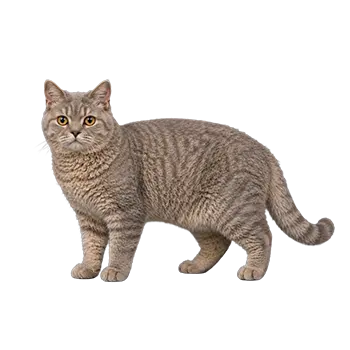

Space Requirements

The Selkirk Rex is a moderately active, sociable cat that values a mix of cozy resting spots and open areas for play. While they are not as hyperactive as some breeds, they still benefit from vertical space in the form of cat trees, shelves, or window perches that allow them to survey their territory from above. A well-designed living environment accounts for climbing, lounging, and occasional bursts of playful energy.

Even in smaller apartments, strategic use of vertical real estate can make a significant difference. Wall-mounted shelves, tall cat trees placed near windows, and elevated walkways allow the Selkirk Rex to navigate the room at multiple levels without requiring a large floor plan. These vertical elements satisfy the natural feline desire for height and give the cat a sense of security and ownership over the space.

The Selkirk Rex's easygoing personality means they adapt well to most living situations, but they do not enjoy being confined to a single small room for extended periods. Access to at least two or three rooms provides enough variety for exploration and prevents boredom. If space is limited, rotating toys and rearranging climbing structures periodically can refresh the environment.

Litter box placement is a critical component of spatial planning. The general guideline of one litter box per cat plus one extra applies to Selkirk Rex households. Boxes should be placed in quiet, low-traffic areas that are easily accessible but offer a degree of privacy. Avoid placing litter boxes near food and water stations, as cats instinctively prefer separation between elimination and feeding areas.

Cat Trees & Climbing Structures

A sturdy cat tree is one of the most impactful investments for a Selkirk Rex household. Given the breed's solid, muscular build, which can reach sixteen pounds in larger males, the tree must have a heavy, wide base that prevents tipping during vigorous climbing or jumping. Lightweight or narrow-based models may wobble under the weight, discouraging the cat from using them.

Look for cat trees with multiple platforms at varying heights, at least one enclosed cubby for hiding, and sisal-wrapped posts for scratching. The platform surfaces should be large enough for a Selkirk Rex to stretch out fully without hanging over the edge. Carpeted surfaces provide grip and comfort, though some owners prefer replaceable sisal or fabric pads for easier maintenance.

Placement near a window dramatically increases a cat tree's appeal. Selkirk Rex cats enjoy watching outdoor activity, and a window-adjacent perch combines climbing enrichment with visual stimulation. If the window receives direct sunlight, it becomes a preferred napping spot, especially during cooler months when the warmth is most appreciated.

Wall-mounted shelving systems offer an alternative or supplement to freestanding cat trees. These modular platforms can be configured in staircase patterns, zigzag routes, or long horizontal runs along a wall. They take up no floor space and can be customized to fit any room layout. Ensure all mounting hardware is anchored into wall studs rather than drywall alone to safely support the cat's weight.

Beds & Sleeping Areas

Selkirk Rex cats are champion sleepers, often logging fourteen to sixteen hours per day, so investing in quality sleeping areas pays dividends in the cat's comfort and well-being. Beds with raised bolsters or donut shapes are popular choices, as the raised edges provide a sense of enclosure and a surface for the cat to rest its head against while curling up.

Material choice matters for a curly-coated breed. Smooth, tightly woven fabrics like microfiber or fleece are easier to clean and less likely to snag or tangle the Selkirk Rex's distinctive curls. Long-pile plush materials may feel luxurious but can trap loose hair and become matted quickly, increasing maintenance demands. Removable, machine-washable covers simplify cleaning and keep the bed hygienic.

Multiple sleeping options distributed throughout the home ensure the Selkirk Rex always has a comfortable spot nearby, regardless of which room the family is occupying. A bed in the living room, a heated pad in a quieter bedroom, and a perch-style bed attached to a windowsill give the cat variety and choice. Cats that are offered several options tend to rotate between them based on mood, temperature, and time of day.

Heated beds or self-warming pads can be especially appealing during colder months. Selkirk Rex cats have a dense coat that provides reasonable insulation, but they still gravitate toward warm surfaces. Low-wattage heated beds designed for pets maintain a gentle, consistent warmth without overheating risk, and many include auto-shutoff features for safety when the owner is away.

Outdoor Enclosures

Catios and enclosed outdoor spaces allow the Selkirk Rex to experience fresh air, sunlight, and outdoor stimulation without the dangers associated with free roaming. These enclosures range from small window-box units that attach to an existing window frame to large freestanding structures that function as furnished outdoor rooms. The right size depends on available space, budget, and how much time the cat will spend outside.

Construction materials should prioritize durability and predator resistance. Welded wire mesh or heavy-gauge galvanized hardware cloth provides secure containment while allowing airflow and visibility. Avoid lightweight chicken wire, which can be compromised by determined wildlife. The enclosure should have a solid roof or mesh top to prevent escape and protect against aerial predators or falling debris.

Furnishing the catio with shelves, ramps, scratching posts, and resting platforms transforms it from a simple cage into an enriching environment. Natural elements like cat-safe plants, branches, or a shallow water feature add sensory variety. Ensure all plants within and around the enclosure are verified non-toxic to cats, as curious Selkirk Rex cats will investigate and chew on greenery.

Weather protection is essential for year-round use. A partially covered roof provides shade during summer and shelter from rain. In colder climates, an insulated shelter box within the catio gives the cat a warm retreat. Access to the indoor home through a cat door or tunnel ensures the Selkirk Rex can move freely between inside and outside as conditions change.

Climate Considerations

The Selkirk Rex's dense, curly coat provides moderate insulation but can make them susceptible to overheating in warm climates or during summer months. Indoor temperatures between 65 and 78 degrees Fahrenheit are generally comfortable for the breed. During heat waves, ensure air conditioning or fans maintain a reasonable temperature, and provide cool resting surfaces like tile floors or elevated mesh beds that allow air circulation beneath the cat.

Humidity levels also influence the Selkirk Rex's coat condition and comfort. Very dry environments can lead to static buildup in the curly fur and dry skin, while excessively humid conditions may cause the coat to lose its curl definition and become limp. A household humidity level between 40 and 60 percent supports both coat health and general respiratory comfort.

In winter, drafts near windows and doors can create cold spots that deter the cat from using otherwise appealing perches or beds. Weatherstripping around windows, draft guards at door bases, and insulated window perch covers help maintain consistent warmth in the cat's favorite areas. Positioning beds away from exterior walls also reduces exposure to radiant cold.

Cats that have access to catios or screened porches need seasonal adjustments to their outdoor time. During extreme heat or cold, outdoor access should be limited or supervised. Providing shaded areas in summer and insulated shelters in winter allows moderate outdoor use across a wider range of conditions, but the cat should always have the option to retreat indoors voluntarily.

Multi-Cat Households

The Selkirk Rex's patient and sociable temperament makes them well suited to multi-cat households, but harmonious cohabitation still requires thoughtful environmental design. The most important principle is resource abundance: each cat should have access to its own food station, water source, litter box, and sleeping area without needing to compete or navigate past another cat to reach them. Resource scarcity is the primary driver of inter-cat tension.

Vertical territory becomes even more valuable in multi-cat homes. Cats establish social hierarchies partly through access to elevated positions, and providing multiple high perches ensures that no single cat monopolizes the premium spots. Cat trees with several platforms, wall-mounted shelving at different heights, and tall furniture that cats are permitted to use all contribute to a three-dimensional territory that reduces conflict.

Sight-line management helps cats share space comfortably. Open floor plans with no visual barriers force cats into constant awareness of each other, which can be stressful for more timid individuals. Strategically placed furniture, cardboard boxes, tunnels, and room dividers create visual breaks that allow cats to feel hidden or separate even within the same room.

Introductions between a new Selkirk Rex and existing household cats should follow a gradual, scent-based protocol. Keeping the new cat in a separate room for the first week, exchanging bedding between cats, and allowing supervised visual contact through a cracked door or baby gate before full physical access reduces the risk of aggressive encounters. The Selkirk Rex's calm disposition generally makes them amenable to this process, but each cat's individual personality dictates the pace of integration.

Always consult a qualified professional before making any health-related decisions. This content is provided for informational reference only and should not replace professional guidance specific to your animal.