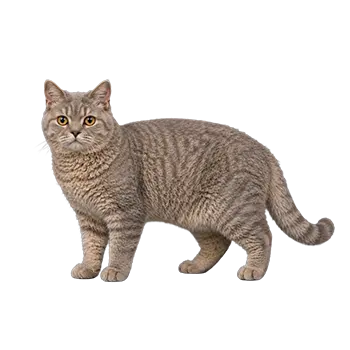

Nutritional Needs

The Selkirk Rex is a medium-to-large cat with a sturdy, muscular build and a uniquely curly coat that demands consistent nutritional support. Their dense, plush fur relies on adequate protein and fat intake to maintain its distinctive texture and healthy luster. A diet rich in animal-based proteins provides the amino acids essential for coat renewal, muscle maintenance, and overall vitality throughout all life stages.

Because of their solid bone structure and tendency to carry a rounded physique, caloric management is important for the Selkirk Rex. These cats can gain weight gradually if overfed, and excess weight places unnecessary strain on joints and internal organs. A balanced macronutrient profile that emphasizes lean protein while moderating carbohydrate content helps keep body condition in the ideal range.

Selkirk Rex cats are generally healthy eaters without extreme dietary sensitivities, though some individuals may develop food intolerances over time. Monitoring stool quality, coat condition, and energy levels provides useful feedback on whether the current diet is meeting the cat's needs. Any persistent digestive issues or dull coat texture may signal that a dietary adjustment is warranted.

Kittens, adults, and seniors each have distinct caloric and nutrient requirements. Growing Selkirk Rex kittens need higher calorie density and more frequent meals to support their rapid development, while senior cats benefit from formulas that support joint health and kidney function. Choosing life-stage-appropriate food ensures the cat receives optimal nutrition at every age.

What to Look For

The first ingredient on any cat food label should be a named animal protein such as chicken, turkey, salmon, or duck. Avoid products that lead with vague terms like "meat meal" or "animal by-products," as these indicate lower-quality protein sources with inconsistent nutritional profiles. Whole or deboned proteins provide the most bioavailable amino acids for a Selkirk Rex's muscular frame.

Fat content is another critical factor, particularly for coat health. Look for foods that include identified fat sources like chicken fat or salmon oil, which supply omega-3 and omega-6 fatty acids. These essential fats directly influence the condition of the Selkirk Rex's curly coat, promoting softness and reducing the likelihood of dry, brittle fur or excessive shedding.

Carbohydrate content should be moderate. Cats are obligate carnivores and do not require large amounts of grain or starch in their diet. While some carbohydrate content is acceptable and can provide fiber for digestive health, foods with excessive fillers like corn, wheat, or soy offer limited nutritional benefit and may contribute to weight gain or digestive discomfort.

The guaranteed analysis panel on the packaging reveals minimum protein and fat percentages along with maximum fiber and moisture content. For adult Selkirk Rex cats, aim for a minimum of 30 percent protein and 15 percent fat on a dry-matter basis. Understanding how to read these labels empowers owners to compare products meaningfully rather than relying solely on marketing claims.

Recommended Dry Food

High-quality dry kibble serves as a convenient and cost-effective foundation for many Selkirk Rex diets. The best dry foods feature a named animal protein as the primary ingredient, moderate fat levels, and minimal reliance on grain-based fillers. Kibble also provides a mild dental benefit, as the mechanical action of chewing can help reduce minor plaque buildup on the teeth.

When selecting dry food, consider the kibble size and shape relative to the Selkirk Rex's jaw. These cats have a broad, rounded head with a moderately short muzzle, so they may prefer kibble that is easy to pick up and chew without strain. Some formulas are specifically shaped for brachycephalic or round-faced breeds, which can be a good fit.

Storage and freshness matter with dry food. Kibble that sits exposed to air loses nutritional potency and can develop off-flavors that deter even enthusiastic eaters. Resealable bags or airtight storage containers preserve freshness and prevent contamination from moisture or pests. Purchasing appropriately sized bags based on the household's consumption rate minimizes waste.

Rotating between two or three high-quality dry formulas can prevent taste fatigue and reduce the risk of developing sensitivities to any single protein source. Gradual transitions over five to seven days, mixing increasing amounts of the new food with the old, help avoid gastrointestinal upset during switches.

Wet & Fresh Options

Wet food offers significant hydration benefits for the Selkirk Rex, a breed that may not always drink sufficient water from a bowl alone. Canned or pouch-style foods typically contain 75 to 80 percent moisture, which supports kidney function and urinary tract health. Incorporating wet food into the diet, whether as a primary meal or a supplement to kibble, helps ensure adequate daily fluid intake.

Pâté, shredded, and chunky textures each appeal to different cats, and individual Selkirk Rex preferences can vary widely. Offering a few texture styles during initial feeding trials helps identify what the cat enjoys most. Palatability is important because even the most nutritious food provides no benefit if the cat refuses to eat it consistently.

Fresh and refrigerated cat food options have become increasingly available and offer minimally processed alternatives to traditional canned formulas. These products typically use whole-food ingredients with gentle cooking methods that preserve more of the natural nutrient content. The trade-off is a shorter shelf life and higher per-serving cost, so they work best as a rotational or supplemental component.

When feeding wet or fresh food, portion control and food safety require attention. Uneaten wet food should be discarded after two hours at room temperature to prevent bacterial growth. Opened cans or pouches can be refrigerated for up to three days, and bringing refrigerated food to room temperature before serving often improves acceptance.

Treats & Supplements

Treats serve a valuable role in bonding, training, and enrichment for Selkirk Rex cats, but they should account for no more than ten percent of daily caloric intake. High-protein, low-carbohydrate treats align best with feline nutritional needs. Freeze-dried single-protein treats made from chicken, fish, or liver are excellent choices that most cats find irresistible.

Omega fatty acid supplements can be particularly beneficial for the Selkirk Rex's curly coat. Fish oil or krill oil supplements added to meals support skin elasticity and coat texture, helping maintain the breed's signature soft, plush curls. Start with the lowest recommended dose and increase gradually, monitoring for any digestive sensitivity.

Probiotics and digestive enzyme supplements may benefit Selkirk Rex cats that experience occasional loose stools or inconsistent digestion. These supplements support a healthy gut microbiome and can improve nutrient absorption. Powdered or paste formulations that mix easily into wet food tend to be the most straightforward to administer.

Hairball control treats or supplements deserve consideration for any Selkirk Rex, given their dense, curly coat. Regular grooming reduces the volume of ingested fur, but a fiber-based hairball formula can help move swallowed hair through the digestive tract more efficiently. Look for products that use natural fiber sources like psyllium or cellulose rather than petroleum-based lubricants.

Foods to Avoid

Several common human foods are toxic or harmful to cats and must be kept out of reach. Onions, garlic, chives, and related alliums can cause oxidative damage to feline red blood cells, leading to anemia even in small amounts. Chocolate contains theobromine and caffeine, both of which are dangerous to cats, with dark chocolate posing the greatest risk.

Grapes and raisins have been associated with acute kidney injury in some animals, and their mechanism of toxicity is not fully understood. Until more is known, these foods should be strictly avoided. Similarly, xylitol, an artificial sweetener found in sugar-free gum, candy, and some baked goods, can cause a rapid drop in blood sugar and potential liver failure in pets.

Raw fish and raw eggs carry risks of bacterial contamination and may contain enzymes that interfere with nutrient absorption. While some proponents advocate raw diets for cats, the safety concerns are significant, particularly for indoor cats whose immune systems may not be accustomed to handling foodborne pathogens. Cooked proteins are a safer alternative for supplemental feeding.

Dairy products are another common pitfall. Despite the cultural image of cats enjoying milk, most adult cats are lactose intolerant and will experience digestive upset from cow's milk, cheese, or cream. If an owner wants to offer a milk-like treat, lactose-free cat milk products are available and far less likely to cause stomach distress.

Feeding Schedule

Establishing a consistent feeding schedule supports healthy digestion and weight management for Selkirk Rex cats. Most adult cats thrive on two measured meals per day, served at approximately the same times each morning and evening. Predictable meal timing helps regulate appetite and reduces the likelihood of overeating or food anxiety.

Free-feeding, where dry food is left available at all times, can be convenient but carries a significant risk of weight gain for a breed already prone to a stocky build. If free-feeding is preferred for lifestyle reasons, using a measured daily portion placed in the bowl each morning and not refilled until the next day provides some control. Puzzle feeders can slow consumption and add mental stimulation to mealtimes.

Kittens under six months of age require three to four smaller meals per day to fuel their rapid growth and high energy expenditure. Between six months and one year, the schedule can gradually transition to two meals daily. Senior Selkirk Rex cats may benefit from smaller, more frequent meals if they experience reduced appetite or digestive sensitivity with age.

Portions should be calculated based on the cat's current weight, body condition score, and activity level rather than relying solely on package guidelines, which tend to overestimate caloric needs. A veterinarian can help determine the ideal daily calorie target and adjust it as the cat ages or if weight changes are needed. Weighing food with a kitchen scale is more accurate than using measuring cups, especially with kibble of varying densities.

Always consult a qualified professional before making any health-related decisions. This content is provided for informational reference only and should not replace professional guidance specific to your animal.