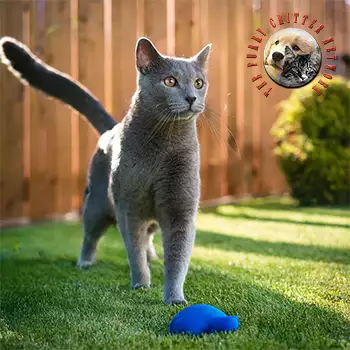

Play Style & Drive

Russian Blues are intelligent, observant cats with a moderate to high play drive that tends to manifest in focused, deliberate bursts rather than frantic, sustained activity. They are hunters by instinct and prefer toys that mimic the movement patterns of small prey — darting, stopping, changing direction, and occasionally hiding. Understanding this play style helps you select toys that actually hold their attention rather than collecting dust.

This breed often warms up to new toys slowly. Do not be surprised if a Russian Blue ignores a new purchase for a day or two before cautiously investigating it. They tend to observe objects from a distance first, approach carefully, and then commit fully once they decide something is worth engaging with. Patience during the introduction phase pays off in long-term toy engagement.

Russian Blues are also known for developing strong preferences for specific toys and returning to favorites repeatedly over months or even years. Once you identify what types of motion, texture, and sound appeal to your cat, you can build a toy collection around those preferences. Some individuals prefer feathered toys while others fixate on crinkle sounds or the unpredictable motion of spring-loaded gadgets.

Playtime is essential not just for physical exercise but for weight management. Russian Blues are prone to gaining weight, especially as indoor-only cats, and two dedicated play sessions of 10 to 15 minutes per day can make a measurable difference in maintaining healthy body condition. Active play also reduces stress-related behaviors like overgrooming and furniture scratching.

Interactive & Puzzle Toys

Puzzle feeders and interactive toys are exceptionally well suited to the Russian Blue's intelligence. These products require the cat to manipulate slides, levers, or compartments to access treats or kibble, engaging problem-solving skills and extending feeding time. Start with simple single-step puzzles and progress to multi-step designs as your cat's confidence grows.

Stationary puzzle boards with cups, pegs, and tunnels let your Russian Blue work for individual pieces of kibble or treats. These are ideal for solo play during the day when you are not home. Rotate between two or three different puzzles weekly to prevent boredom — a solved puzzle that never changes loses its appeal quickly for an intelligent breed.

Motion-activated toys that respond to a cat's touch or proximity can provide stimulation when you are unavailable for interactive play. Look for products with unpredictable movement patterns rather than simple repetitive motions. Toys that change direction, speed, or behavior when batted keep a Russian Blue engaged longer than those with a single predictable loop.

Wand toys remain the gold standard for interactive play between owner and cat. A wand with a feathered or fabric attachment allows you to simulate prey behavior — dragging along the ground, flicking behind furniture, and pausing to let your cat stalk. Russian Blues particularly enjoy the stalking phase, so slow, deliberate movements often produce more engagement than rapid flailing.

Chew Toys & Durability

Cats are not heavy chewers compared to dogs, but Russian Blues do enjoy mouthing and biting certain toys, especially during solo play. Toys made from durable rubber, tightly woven fabric, or compressed catnip felt withstand moderate chewing without breaking apart. Avoid toys with small glued-on components like plastic eyes or beads that can detach and become choking hazards.

Catnip-stuffed toys are a popular chew option, though sensitivity to catnip is genetically determined and roughly 30 to 50 percent of cats show no response at all. If your Russian Blue does respond, catnip toys provide a safe chewing outlet and a burst of playful energy. Silver vine is an alternative stimulant that affects a broader percentage of cats and can be found in stick or powder form.

Dental health chew toys designed for cats feature textured surfaces that help reduce tartar buildup as the cat gnaws. While these should not replace veterinary dental care, they can supplement oral hygiene between professional cleanings. Look for products with a mesh or nubbed texture rather than hard plastic, which can damage teeth if chewed aggressively.

Inspect all chew toys regularly for signs of wear. Fraying fabric, exposed stuffing, or cracked rubber should be discarded immediately. Russian Blues tend to be gentler with toys than some breeds, but even moderate use over weeks or months can compromise structural integrity. Replace worn toys promptly to prevent ingestion of loose materials.

Chase & Hunting Toys

Chase toys tap directly into the Russian Blue's predatory instincts. Battery-operated mice, rolling balls, and track-style toys with enclosed balls provide the erratic movement that triggers hunting behavior. The best chase toys move unpredictably — sudden stops, direction changes, and varying speeds keep a cat mentally engaged rather than simply batting at a repetitive loop.

Laser pointers are effective chase motivators but should be used carefully. Always end a laser session by directing the dot onto a physical toy or treat so your cat gets the satisfaction of a successful catch. Endless chasing without a capture can cause frustration in some cats, particularly intelligent breeds like the Russian Blue that expect their hunting sequence to conclude with a tangible reward.

Ball toys with bells or rattles inside appeal to cats that respond to auditory stimulation. Place a few in areas with hard flooring where the sound carries well and the ball rolls freely. Some Russian Blues will self-initiate play with these toys, batting them around the house unprompted, making them a good option for solo enrichment during the day.

Feather teasers attached to door frames or suction-cup bases provide passive hunting simulation. These toys dangle and flutter with air movement or when the cat bats at them, mimicking the motion of a bird. Mount them at a height your Russian Blue can reach from a standing position or a short jump — too high and the toy becomes inaccessible frustration rather than engaging play.

Comfort & Companion Toys

Russian Blues sometimes form attachments to specific soft toys, carrying them around the house, kneading on them, or sleeping with them. Small plush toys roughly the size of a mouse or bird can become comfort objects, especially for cats left alone during work hours. Offering a few options lets your cat self-select the textures and sizes it finds most soothing.

Kickable toys — elongated plush shapes that a cat can wrap its front legs around and kick with its hind feet — satisfy a natural wrestling instinct. Look for kick toys at least 8 to 10 inches long, stuffed firmly enough to withstand hind-leg bunny kicks, and filled with catnip or silver vine for added appeal. These toys provide both physical exercise and stress relief.

Crinkle toys combine comfort with auditory stimulation. The crinkling sound mimics the rustling of small prey in leaves and triggers investigative behavior. Crinkle balls, crinkle mats, and plush toys with internal crinkle material offer variety. Russian Blues with a strong response to crinkle sounds may prefer these over silent plush alternatives.

Avoid companion toys with long strings, ribbons, or yarn attached. These pose a serious ingestion risk if a cat chews through the attachment point during unsupervised play. Linear foreign bodies — swallowed strings or ribbons — can cause life-threatening intestinal obstructions. Any toy with dangling components should be reserved for supervised play sessions only.

DIY & Budget Options

Some of the most engaging toys for Russian Blues cost nothing at all. A crumpled ball of paper, a cardboard box with holes cut in the sides, or a paper bag with the handles removed can provide extended entertainment. Cats respond to novelty, and household items rotated every few days can rival expensive commercial products in terms of engagement.

Cardboard boxes deserve special mention because Russian Blues love enclosed spaces. A medium-sized box placed on its side creates an instant hiding spot and ambush point. Cut a few paw-sized holes in the sides and drop a ball inside for a simple puzzle toy. Stack multiple boxes to create a multi-level fort. Replace boxes when they become flattened or shredded.

DIY puzzle feeders can be made from muffin tins, egg cartons, or toilet paper rolls. Place kibble or treats inside the compartments and let your cat fish them out with a paw. Cover some compartments with tennis balls or crumpled paper to increase difficulty. These homemade solutions are especially useful for slowing down fast eaters and providing mealtime enrichment.

Ice cubes with a small treat frozen inside provide novelty and engagement, especially during warm weather. Place the ice cube on a plate or in a shallow bowl and let your cat bat it around and lick at the treat as the ice melts. This is a short-duration activity but introduces an unusual texture and temperature that many Russian Blues find intriguing. Always supervise to ensure your cat does not attempt to swallow large ice pieces.

Always consult a qualified professional before making any health-related decisions. This content is provided for informational reference only and should not replace professional guidance specific to your animal.