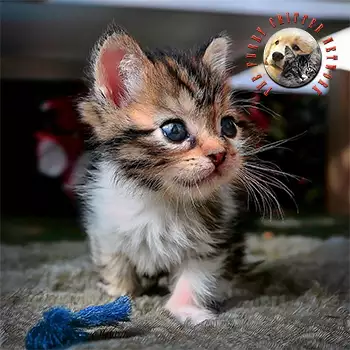

Activity monitors designed for cats attach to the collar and track movement patterns, rest cycles, and caloric expenditure throughout the day. For Munchkins, this data is particularly valuable because their unique build makes visual assessment of weight and fitness less intuitive than with standard-bodied cats. A sudden decline in activity levels can signal joint discomfort, illness, or pain that the cat may otherwise mask — cats are instinctive hiders of vulnerability.
Most cat activity monitors use accelerometer technology to detect motion and classify it into categories like active play, walking, and resting. The companion app translates raw data into daily and weekly summaries, allowing you to spot trends over time. A Munchkin that was averaging forty minutes of active play per day and gradually drops to fifteen warrants a veterinary check, even if the cat appears behaviorally normal during your interactions.
Some advanced monitors track additional health indicators such as scratching frequency, grooming duration, and eating patterns. Changes in grooming behavior — either excessive licking or a sudden decrease — can indicate skin conditions, pain, or stress. Elevated scratching frequency may point to allergies or parasites. These data points complement your own observations and give your veterinarian objective information during wellness visits.
Device weight and size are critical for Munchkins. A monitor that is too heavy or bulky will irritate the cat, affect its natural gait, and likely be rejected. Look for devices under fifteen grams that attach securely to a standard collar without dangling or shifting. Waterproof construction is preferable, as cats occasionally get wet and a moisture-damaged monitor provides unreliable data or stops functioning entirely.