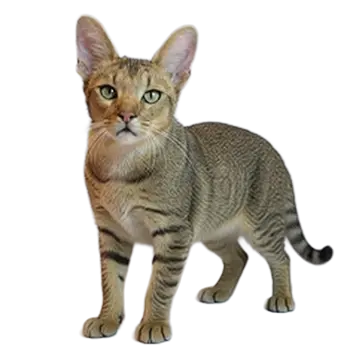

Nutritional Needs

The Chausie is a large, muscular hybrid cat descended from the jungle cat (Felis chaus), and its dietary requirements reflect that wild ancestry. These cats have exceptionally high metabolic rates driven by their athletic builds and near-constant activity levels. A Chausie in good condition requires a diet significantly richer in animal protein than what most standard commercial cat foods provide, with protein ideally making up at least 40 percent of the diet on a dry-matter basis.

One of the most important nutritional considerations for Chausies is their documented sensitivity to plant-based ingredients and grains. Many Chausies, particularly those closer to their foundation generation, have shorter intestinal tracts than domestic cats. This means they process plant matter less efficiently and are more prone to inflammatory bowel issues when fed diets heavy in corn, wheat, soy, or other fillers. Owners should prioritize formulas built around named animal proteins with minimal botanical additives.

Fat content is another critical factor. Chausies burn through calories quickly, and healthy animal fats provide the concentrated energy they need without excessive carbohydrate loads. Look for foods where animal fat sources are clearly identified rather than listed generically. Omega-3 and omega-6 fatty acids support the Chausie's short, dense coat and contribute to joint health, which matters for a cat that jumps, climbs, and sprints as intensely as this breed does.

Taurine, an essential amino acid for all cats, deserves special attention in Chausie diets. Because these cats eat larger quantities of food relative to their size compared to sedentary breeds, ensuring adequate taurine levels across their total intake is important for cardiac and eye health. Most quality commercial foods meet minimum taurine requirements, but owners feeding raw or home-prepared diets should verify supplementation levels with a veterinarian.

What to Look For

When evaluating cat food for a Chausie, the ingredient panel tells you most of what you need to know. The first three ingredients should be named animal proteins — chicken, turkey, rabbit, duck, or fish — rather than vague terms like "meat meal" or "animal by-products." Chausies thrive on diets that mirror what a wild or semi-wild cat would consume, so the closer the formula gets to whole-prey nutrition, the better the results tend to be.

Avoid foods with long lists of synthetic additives, artificial colors, or chemical preservatives. Chausies with sensitive digestive tracts react poorly to unnecessary additives that serve no nutritional purpose. Natural preservatives like tocopherols (vitamin E) are preferable to BHA, BHT, or ethoxyquin. Similarly, avoid formulas that use sugar, caramel color, or palatability enhancers designed to mask low-quality base ingredients.

Caloric density matters more for Chausies than for most domestic cats. Because they are large, active cats, they need foods that deliver substantial nutrition per serving without requiring enormous volumes of food. A calorically dense formula reduces the total volume of food passing through a potentially sensitive digestive system while still meeting energy needs. Check the guaranteed analysis for caloric content per cup or per can, and compare across brands to find options that offer efficient nutrition.

Texture and format preferences vary between individual Chausies, but many owners report that their cats prefer pâté-style wet foods or raw-inspired formulas over heavily processed kibble. This may be partly behavioral — Chausies are active chewers and hunters — and partly digestive. Experimenting with formats while keeping ingredient quality consistent helps identify what works best for each individual cat.

Recommended Dry Food

Dry food can serve as a practical component of a Chausie's diet, particularly for free-feeding or when owners are away for portions of the day. However, not all kibble is created equal, and Chausies are among the breeds least tolerant of low-quality dry formulas. Look for grain-free or limited-ingredient dry foods with protein content above 38 percent and fat content above 18 percent on a dry-matter basis. The kibble size should be appropriate for a large cat — small, flat pieces designed for kittens or petite breeds may be swallowed without chewing.

High-protein, low-carbohydrate dry foods formulated for active or indoor-outdoor cats tend to align well with Chausie nutritional needs. These formulas typically use animal proteins as primary ingredients and rely on legumes or sweet potatoes for binding rather than wheat or corn. While no dry food perfectly replicates a raw or whole-prey diet, the best options come close enough to serve as a reliable baseline.

Freeze-dried raw kibble alternatives represent a middle ground between traditional kibble and raw feeding. These products retain more of the nutritional profile of raw meat while offering the convenience and shelf stability of dry food. Many Chausie owners find these formats reduce digestive issues compared to conventional kibble, though they come at a higher price point. If cost is a factor, mixing freeze-dried raw with a high-quality traditional kibble can stretch the budget while still improving overall diet quality.

Storage matters with premium dry foods because they tend to use natural preservatives that have shorter shelf lives. Buy in quantities your cat will consume within four to six weeks, and store kibble in airtight containers away from heat and humidity. Rancid fats in oxidized kibble can cause digestive upset in any cat, but Chausies are particularly quick to refuse food that has degraded.

Wet & Fresh Options

Wet food is often the cornerstone of a Chausie's diet, and for good reason. Canned and fresh foods deliver higher moisture content, which supports urinary tract health and provides a more bioavailable protein source than most dry formulas. Chausies descended from desert-adapted wild cats that derived most of their hydration from prey, so a moisture-rich diet aligns with their evolutionary physiology.

Pâté-style wet foods with single or limited protein sources work well for Chausies with sensitive stomachs. Formulas built around novel proteins like rabbit, venison, or duck can be particularly useful for cats that show intolerance to more common proteins like chicken or fish. When introducing a new wet food, transition gradually over seven to ten days by mixing increasing proportions of the new food with the current diet to avoid gastrointestinal upset.

Fresh and refrigerated cat foods have emerged as a premium option that many Chausie owners find worth the investment. These minimally processed foods use whole ingredients cooked at lower temperatures, preserving more nutrients and enzymes than traditional canning processes. The trade-off is shorter shelf life and higher cost, but for a breed prone to digestive sensitivity, the improved ingredient integrity can make a meaningful difference in coat quality, energy levels, and stool consistency.

Raw feeding is popular among Chausie enthusiasts, particularly for cats closer to their foundation generations. Commercially prepared raw diets that follow established nutritional guidelines offer the benefits of raw feeding without the risks of homemade raw diets, which can be nutritionally incomplete if not carefully formulated. If pursuing raw feeding, work with a veterinarian experienced in feline nutrition to ensure the diet meets all micronutrient requirements, particularly calcium-to-phosphorus ratios and vitamin supplementation.

Treats & Supplements

Treats for Chausies should follow the same principles as their core diet: high in animal protein, low in plant-based fillers, and free of artificial additives. Freeze-dried single-protein treats made from chicken, fish, or liver are excellent choices that most Chausies find highly palatable. These treats also work well as training rewards, since Chausies are intelligent and responsive to food-motivated learning.

Dental treats designed for large cats can serve double duty by providing enrichment and supporting oral health. Look for treats that carry veterinary dental health certifications, as these have been tested for effectiveness at reducing plaque and tartar. Avoid dental treats packed with starches and grains, which can contribute to the very dental problems they claim to address while also aggravating digestive sensitivities.

Supplementation should be approached carefully and ideally under veterinary guidance. Chausies eating a complete and balanced commercial diet typically do not need additional supplements. However, cats on raw or home-prepared diets may benefit from targeted supplementation. Probiotics formulated for cats can support digestive health in Chausies prone to loose stools or inflammatory bowel issues. Fish oil supplements providing EPA and DHA support coat health and may reduce inflammation in cats with joint stress from their athletic lifestyles.

Treats should constitute no more than ten percent of a Chausie's daily caloric intake. Because these cats are large and active, owners sometimes underestimate how many treats they dispense throughout the day, particularly when using treats for enrichment or training. Tracking treat quantities helps prevent caloric creep that can lead to weight gain even in naturally athletic cats.

Foods to Avoid

Chausies are more sensitive than most domestic cats to dietary missteps, so understanding what to avoid is as important as knowing what to feed. Grain-heavy foods are the most common culprit behind digestive issues in this breed. Corn, wheat, and soy appear in many commercial cat foods as inexpensive fillers, but they offer minimal nutritional value to obligate carnivores and can trigger inflammation in Chausies with shortened digestive tracts.

Dairy products should be avoided entirely. While the image of a cat lapping up milk persists in popular culture, most adult cats are lactose intolerant, and Chausies appear to be particularly sensitive. Dairy-based treats, cheese, and milk can cause diarrhea, bloating, and discomfort. Even small amounts offered as occasional treats can disrupt a sensitive Chausie's digestive balance.

Certain human foods that are toxic to all cats pose heightened risks for Chausies simply because their curious, bold personalities make them more likely to investigate and consume unattended food. Onions, garlic, grapes, raisins, chocolate, and anything containing xylitol should be kept well out of reach. Chausies are exceptional jumpers and counter-surfers, so food safety requires more vigilance than it might with a less athletic breed.

Avoid foods with high carbohydrate content relative to protein. Some commercial diets marketed as premium still derive 30 percent or more of their calories from carbohydrates, which is far too high for a Chausie. Reading the guaranteed analysis and calculating the carbohydrate content by subtracting protein, fat, moisture, fiber, and ash from 100 percent gives a clearer picture of what you are actually feeding. Any formula where carbohydrates exceed 10 to 12 percent on a dry-matter basis is likely too starchy for this breed.

Feeding Schedule

Chausies do best on a structured feeding schedule rather than unlimited free-feeding. Two to three measured meals per day for adults helps regulate digestion, prevents overeating, and allows owners to monitor appetite changes that might signal health issues. Kittens and young Chausies under 18 months may need three to four smaller meals daily to support their rapid growth and intense energy expenditure.

Portion sizes for Chausies vary significantly based on the individual cat's weight, activity level, and the caloric density of the chosen food. A 20-pound Chausie in peak athletic condition may require 350 to 450 calories per day, but a less active individual of the same weight might need only 280 to 320 calories. Start with the feeding guidelines on your chosen food's packaging, then adjust based on body condition. You should be able to feel your Chausie's ribs without pressing hard, but they should not be visually prominent.

Timing meals to coincide with natural activity patterns works well for this breed. Chausies tend to be most active in the morning and evening, mirroring crepuscular hunting behavior inherited from their wild ancestors. Feeding after play sessions or exercise periods takes advantage of natural appetite cycles and can improve digestion by allowing the cat to eat when its metabolism is already elevated.

Water intake deserves attention alongside feeding schedules. Chausies eating primarily dry food need access to fresh, clean water at all times, and many prefer running water from a fountain over a still bowl. Cats on wet or raw diets get substantial moisture from their food but should still have water available. Monitoring water intake is especially important for Chausies because urinary issues can develop in cats that are chronically under-hydrated, and this breed's desert ancestry does not make them immune to such problems.

Always consult a qualified professional before making any health-related decisions. This content is provided for informational reference only and should not replace professional guidance specific to your animal.