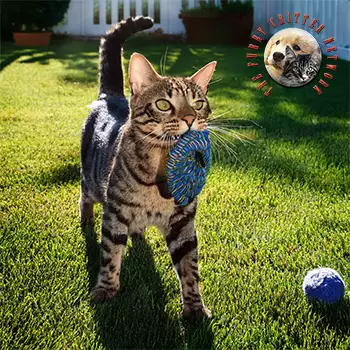

The California Spangled was developed in the 1980s by breeder Paul Casey with the deliberate goal of creating a domestic cat that resembled wild spotted cats like the ocelot and leopard. The result is a muscular, long-bodied cat with a low-slung, predatory gait and a metabolism that reflects its athletic build. Feeding a California Spangled requires a diet that prioritizes dense animal protein and adequate fat to fuel a body that was bred for power and agility rather than sedentary indoor life.
These cats typically weigh between eight and fifteen pounds, with males trending toward the upper end of that range. Their body composition leans heavily toward muscle rather than fat, which means their caloric needs per pound of body weight are often higher than those of a comparably sized but less active breed. A California Spangled that appears thin by the standards of a rounder breed may actually be at an ideal body condition — the breed standard calls for a lean, athletic frame with visible musculature through the shoulders and haunches.
Coat health is another dietary priority. The California Spangled's distinctive spotted pattern is displayed on a short, sleek coat that should have a smooth, almost velvety texture. Adequate intake of omega-3 and omega-6 fatty acids is essential for maintaining that characteristic sheen. Deficiencies in essential fatty acids tend to show up quickly in short-coated breeds, manifesting as dullness, flaking, or a rough texture that obscures the pattern.
Because the breed is relatively rare and the gene pool is limited, some California Spangled cats may have sensitivities that are less common in more genetically diverse breeds. Paying close attention to how your individual cat responds to different protein sources and formulations is more important than following generic feeding guidelines. Digestive tolerance, stool quality, coat condition, and energy level are the most reliable indicators of whether a diet is working.