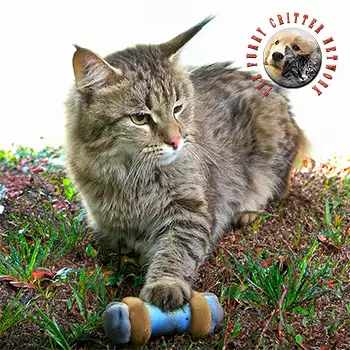

Play Style & Drive

American Bobtails are often described as having a dog-like personality, and this extends to their play style. They are natural hunters with a strong prey drive, frequently engaging in stalking, pouncing, and carrying toys in their mouths. Many owners report that their Bobtails will play fetch without any training, retrieving tossed toys and bringing them back for another round. Understanding this instinctive play pattern is key to selecting toys that will genuinely engage your cat.

This breed tends to be more physically active than many other cat breeds, maintaining a kitten-like playfulness well into adulthood. They enjoy vigorous play sessions that involve running, leaping, and wrestling, and they thrive when given opportunities to exercise their athletic build. A sedentary lifestyle can lead to weight gain and behavioral issues in Bobtails, making regular interactive play an essential part of their care routine rather than an optional extra.

Bobtails are also notably intelligent and respond well to toys that challenge them mentally. They can learn to open simple latches, figure out puzzle mechanisms, and even respond to verbal cues during play. This cognitive ability means they bore quickly with toys that offer no challenge or variability. Rotating toys regularly and introducing new types of play keeps their interest sharp and prevents the kind of apathy that develops when a cat has unrestricted access to the same set of toys every day.

Social play is another hallmark of the breed. American Bobtails genuinely enjoy interactive play with their owners and often initiate games on their own by bringing a toy to a person or engaging in attention-getting behaviors. While independent play options are important for times when you are away, this breed derives the greatest satisfaction from shared play experiences. Plan for at least two dedicated interactive play sessions of fifteen to twenty minutes each day.

Interactive & Puzzle Toys

Interactive toys that require human participation are the gold standard for American Bobtail enrichment. Wand toys with feathered, furred, or ribbon attachments trigger the hunting sequence — stalk, chase, pounce, catch — and allow you to control the movement patterns that keep play engaging. Vary your movements between slow, creeping motions along the floor and quick, erratic aerial movements to simulate different types of prey and maintain your cat's interest throughout the session.

Puzzle feeders transform mealtime into a cognitive exercise, requiring the cat to manipulate compartments, slides, or obstacles to access food or treats. For a breed as intelligent as the American Bobtail, these feeders provide essential mental stimulation that reduces boredom and associated behavioral problems like excessive grooming or destructive scratching. Start with simpler designs and gradually increase the difficulty as your cat masters each level.

Treat-dispensing balls and wobble toys offer a bridge between physical and mental exercise. These devices reward movement with food, encouraging the cat to bat, roll, and chase the toy to release treats. For Bobtails who tend to eat too quickly or need weight management support, these toys slow down food consumption while adding an element of play to the feeding routine.

Electronic interactive toys — such as automated laser pointers, rotating feather wands, and motion-activated toys — can supplement human-led play sessions, particularly when you are away from home. However, they should never fully replace interactive play with a person. The social bond formed during play is as important as the physical exercise for this people-oriented breed. When using laser toys, always end the session by directing the dot to a physical toy or treat so the cat experiences the satisfaction of a successful catch.

Chew Toys & Durability

While cats are not typically thought of as chewers in the way dogs are, American Bobtails do enjoy gnawing on certain textures, particularly during teething (for kittens) and as a stress-relief behavior in adults. Providing appropriate chew toys redirects this behavior away from household items like electrical cords, houseplants, and furniture corners. Look for toys made from durable rubber, thick woven fabric, or compressed catnip materials that can withstand sustained chewing.

Durability is a significant concern with any toy intended for an American Bobtail. Their strong jaws and vigorous play style can destroy flimsy toys within minutes, creating both a waste of money and a safety hazard from swallowed pieces. Inspect toys regularly for signs of wear — loose threads, torn seams, detached small parts — and discard anything that is coming apart. Toys with securely embedded squeakers or rattles are generally safer than those with loosely attached bells or button eyes.

Catnip-infused toys serve as both chew toys and sensory enrichment. Approximately sixty to seventy percent of cats respond to catnip, and American Bobtails are no exception. The response typically manifests as rolling, rubbing, and energetic play followed by a calm period. Silvervine and valerian root are alternative attractants that may appeal to cats who do not respond to catnip. Refreshable catnip toys with refillable pouches offer better long-term value than toys with catnip embedded in the stuffing, which loses potency over time.

For kittens and younger Bobtails who are teething, textured rubber toys designed specifically for feline dental health can soothe sore gums while encouraging healthy chewing habits. These are often small enough for a kitten to grip and carry, and their durable construction stands up to persistent gnawing. Avoid giving cats toys designed for dogs, as the materials and sizes may not be appropriate and could present choking hazards.

Chase & Hunting Toys

The American Bobtail's strong prey drive makes chase toys among the most effective options for exercise and enrichment. Toy mice, small plush animals, and ball toys that skitter unpredictably across hard floors trigger the same hunting behaviors the breed would display in the wild. Lightweight balls with irregular shapes or internal weights that cause erratic rolling patterns are particularly engaging because they mimic the unpredictable movement of live prey.

Track toys — circular or figure-eight channels with balls trapped inside — provide self-directed chase entertainment. The cat can bat the ball and watch it zip around the track, triggering repeated pouncing attempts. Multi-level track toys add complexity and visual interest. While some cats lose interest in track toys once the novelty wears off, Bobtails tend to return to them regularly, especially when a treat or a sprinkle of catnip is added to renew the appeal.

Kicker toys — elongated, pillow-shaped toys designed for the cat to grab with their front paws and kick with their hind legs — satisfy the bunny-kick instinct that is part of the feline prey-capture sequence. These are excellent for solo play and help the cat expend energy through vigorous kicking motions. Choose kicker toys made from tightly woven fabric with reinforced seams, as the Bobtail's powerful hind legs can shred lighter materials quickly.

Crinkle toys and toys that make rustling sounds appeal to the auditory component of the hunting instinct. The sound of crinkling paper or mylar mimics the noise of small prey moving through grass or leaves, immediately capturing a cat's attention. Tunnel toys combine the auditory appeal of crinkle material with the physical thrill of darting through an enclosed space, and they are a perennial favorite among American Bobtails who enjoy ambush-style play.

Comfort & Companion Toys

Not all play is high-energy. American Bobtails also benefit from comfort toys that serve as companions during rest periods. Soft plush toys sized appropriately for cuddling can become security objects, particularly for cats who spend extended periods alone during the workday. Some cats develop strong attachments to specific toys, grooming them, sleeping with them, and carrying them from room to room.

Heated comfort toys that can be warmed in the microwave provide soothing warmth that mimics the body heat of a companion animal. These are especially valuable for single-cat households, newly adopted cats adjusting to their environment, or senior Bobtails with joint stiffness who appreciate the therapeutic warmth. Always follow heating instructions carefully and check the temperature before offering the toy to your cat to prevent burns.

Aromatic comfort toys infused with calming herbs like lavender or chamomile may help reduce anxiety during stressful events such as thunderstorms, veterinary visits, or household moves. Synthetic feline pheromone sprays can also be applied to comfort toys to create a calming association. While the evidence for pheromone effectiveness varies, many owners report positive results, and the approach carries no risk of harm.

For Bobtails in multi-cat households, comfort toys can help reduce inter-cat tension by giving each animal their own personal possession. Provide enough comfort toys that no cat needs to compete for resources, and be aware that some cats are possessive about their favorites. If conflict arises over a particular toy, providing duplicates is often the simplest solution.

DIY & Budget Options

Some of the most engaging cat toys cost nothing at all. A crumpled ball of paper, a cardboard box, or a paper grocery bag with the handles removed can provide hours of entertainment for an American Bobtail. The appeal lies in the novelty and the textures — the crinkle of paper, the enclosed space of a box, the unpredictable movement of a lightweight ball skittering across a tile floor. Rotate these free options regularly to maintain their novelty.

Cardboard boxes deserve special mention as perhaps the most universally beloved cat toy in existence. Cut holes in the sides for peek-and-pounce play, stack multiple boxes to create a climbing structure, or simply leave one on the floor and watch your Bobtail claim it immediately. The enclosed space satisfies the denning instinct, the cardboard provides a satisfying scratching surface, and the edges are perfect for chewing. Replace boxes as they deteriorate, and avoid any that have staples, tape, or printed surfaces that might be toxic.

DIY puzzle feeders can be constructed from common household items. An empty egg carton with treats placed in the cups, a muffin tin with balls placed over the treat-filled wells, or a cardboard tube with holes cut in the sides and kibble sealed inside all function as effective puzzle toys. These homemade options are particularly useful for testing whether your Bobtail enjoys puzzle feeding before investing in more elaborate commercial products.

Safety is the primary concern with any DIY toy. Avoid string, yarn, ribbon, and rubber bands, which can be swallowed and cause life-threatening intestinal blockages. Remove any small components that could be chewed off and ingested. Never use aluminum foil, as small pieces can be swallowed and cause internal damage. Supervise play with homemade toys until you are confident that your cat interacts with them safely, and inspect them regularly for deterioration.

Always consult a qualified professional before making any health-related decisions. This content is provided for informational reference only and should not replace professional guidance specific to your animal.