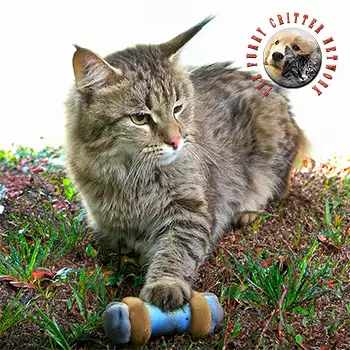

A well-fitted collar is the most basic accessory for any American Bobtail, serving as the primary platform for identification tags and a visible signal that the cat has an owner. Breakaway collars are essential for cats — unlike dogs, cats climb, squeeze through tight spaces, and can get snagged on branches or furniture. A breakaway clasp releases under pressure, preventing choking or strangulation. Measure your Bobtail's neck and allow room for two fingers to fit comfortably between the collar and the skin.
Harness training is increasingly popular among Bobtail owners who want to give their cats supervised outdoor time. The American Bobtail's relatively easygoing temperament and dog-like trainability make them better harness candidates than many other cat breeds. Vest-style harnesses that distribute pressure across the chest and shoulders are preferable to figure-eight or strap-style designs, which can slip off or put uncomfortable pressure on the throat. Ensure the harness fits snugly without restricting breathing or movement.
Leash selection for cats differs from dogs. A lightweight leash between four and six feet long gives your Bobtail freedom to explore while keeping them within safe range. Retractable leashes are generally not recommended for cats, as the sudden stop-and-go tension can startle them and the thin cord can tangle around legs or objects. A simple nylon or cotton leash with a small, lightweight clip attaches comfortably to most cat harnesses without adding cumbersome weight.
Introduce collar and harness gear gradually, starting indoors in a familiar environment. Let your Bobtail wear the harness around the house for short periods before attaching a leash, and practice indoor leash walking before venturing outside. Reward each step with treats and praise. Most American Bobtails adapt to harness walking within a week or two of consistent, positive training sessions, though some individuals may take longer or simply not enjoy the experience.