
Nutritional Needs

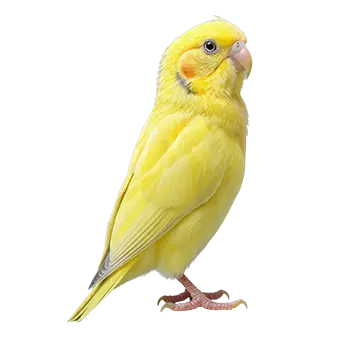
The Yorkshire Canary is a large type canary bred primarily for its dramatic length, upright posture, and flowing feathering, and these physical characteristics impose specific nutritional demands that differ from those of smaller, more compact canary breeds. Maintaining the long, silky plumage that defines the Yorkshire requires a steady supply of sulfur-containing amino acids, essential fatty acids, and fat-soluble vitamins. A diet that merely prevents obvious deficiency is not sufficient for a bird whose breed standard depends on feather quality, body condition, and structural length.

Carbohydrates and fats supply the energy that fuels the Yorkshire's active metabolism. Like all canaries, the Yorkshire has a rapid metabolic rate relative to its body size, and it cannot tolerate extended periods without food. Its slightly larger frame compared to breeds like the Gloster or Fife means its caloric requirements sit at the upper end of the canary range, though individual needs vary with activity level, ambient temperature, and whether the bird is in active molt.

Protein is essential for feather regeneration, muscle maintenance, and immune function. During the annual molt, protein demand rises sharply because every feather the bird replaces is composed almost entirely of keratin, a structural protein. A Yorkshire in heavy molt that does not receive adequate protein may produce feathers that are brittle, poorly colored, or structurally weak, undermining the very trait for which the breed is kept. Egg food supplements and high-protein seed varieties become particularly important during this period.

Minerals and trace elements round out the nutritional picture. Calcium supports skeletal health and, in hens, eggshell formation. Iodine regulates thyroid function, and deficiency can cause lethargy and feather problems. Iron, zinc, and manganese each play roles in enzyme function and immune response. The challenge for owners is not simply providing these nutrients but providing them in the correct ratios, since excess of one mineral can interfere with absorption of another.

What to Look For

Selecting food products for a Yorkshire Canary starts with understanding the difference between a seed blend designed as a complete daily diet and one intended merely as a treat or supplement. A quality canary seed mix should list canary grass seed as its primary ingredient, since this small, elongated seed has the protein-to-fat ratio best suited to canary metabolism. Additional seeds such as Niger seed, flax, hemp, and small amounts of rapeseed contribute essential fatty acids and caloric variety. Mixes dominated by millet or sunflower seed are formulated for other species and are too high in carbohydrates or fat for daily canary use.

Freshness is a critical but often overlooked quality indicator. Seeds are living organisms that lose nutritional value and germination potential as they age. Fresh seeds have a slight sheen, a firm texture, and a mildly sweet smell. Stale or rancid seeds appear dull, crumble easily, and may carry a musty odor. Buying from retailers with high turnover and storing open bags in cool, dry, airtight containers helps ensure the bird receives seeds at their nutritional peak. A simple germination test, placing a tablespoon of seeds on a damp paper towel for a few days, reveals whether the seeds are still viable.

Formulated pellets designed for canaries and finches offer an alternative to seed-based diets that eliminates selective feeding, a common problem in which birds pick out their favorite seeds and leave the rest. Pellets compress a balanced nutrient profile into every piece, so the bird cannot unbalance its own diet. When evaluating pellets, look for products made from whole grains and natural ingredients without artificial dyes or added sugars. Pellets sized for canaries should be small enough to handle comfortably, as a Yorkshire's beak, while sturdy, is not built for crushing large parrot pellets.

Labeling transparency matters. Products that list specific ingredients rather than vague categories like animal by-products or grain products allow the buyer to make informed decisions. Nutritional analysis panels showing crude protein, crude fat, crude fiber, and moisture content provide the quantitative data needed to compare products meaningfully. For canaries, look for protein content in the range of twelve to sixteen percent and fat content between five and eight percent in a complete diet formulation.

Recommended Seed Blends and Pellets

The traditional seed-based diet remains the most widely used approach for feeding Yorkshire Canaries, and the best commercial blends reflect decades of refinement by canary breeders. A premium canary seed blend typically centers on canary grass seed at fifty to sixty percent of the mix, supplemented by Niger seed for its high oil content, rapeseed for protein and energy, linseed for omega-3 fatty acids, and small quantities of oat groats or perilla for variety. Some blends incorporate dried herbs, dried egg food crumbles, or tiny pieces of dried fruit, though purists prefer a clean seed-only mix to which they add supplements separately for better control.

Niger seed, sometimes labeled Nyjer or thistle seed, deserves particular mention because of its importance to feather quality. Rich in oil and protein, it supports the production of the long, fine feathers characteristic of the Yorkshire. Many breeders increase the proportion of Niger seed in the diet during the molt to give the bird additional resources for feather synthesis. It can also be offered in a separate small dish so the bird can self-regulate its intake.

Formulated pellets have gained acceptance among canary keepers, though adoption is slower than in the parrot community. The main advantage of pellets is nutritional consistency: every bite delivers the same balance of nutrients. For Yorkshire Canaries, pellets formulated specifically for canaries and finches are the appropriate choice, as these account for the canary's particular metabolic profile. Transitioning a seed-raised bird to pellets requires patience, often taking several weeks of gradual blending, but owners who make the switch report improved feather condition and more stable body weight over time.

A blended approach, offering pellets as the base diet with a measured amount of seed mix daily, combines the nutritional reliability of pellets with the behavioral enrichment of seed foraging. This strategy is well-suited to the Yorkshire Canary, which benefits from the mental stimulation of husking seeds while still receiving the complete nutrition that pellets provide. The key is controlling seed quantity so it supplements rather than replaces the pellet foundation.

Fresh Foods and Egg Food

Fresh vegetables and greens provide vitamins, minerals, and dietary moisture that dry foods cannot fully replicate. Yorkshire Canaries readily accept a range of leafy greens including romaine lettuce, dandelion greens, chickweed, watercress, and spinach in small amounts. Dark greens are preferable to pale varieties like iceberg lettuce, which has minimal nutritional value. Greens should be washed thoroughly to remove pesticide residues and offered while still slightly damp, as canaries enjoy bathing their beaks in wet leaves.

Vegetables beyond leafy greens add further variety. Thinly sliced carrot, broccoli florets, grated zucchini, and small pieces of sweet bell pepper introduce beta-carotene and vitamin C. While canaries synthesize their own vitamin C internally, the phytonutrients present in colorful vegetables contribute to overall health in ways that isolated vitamins do not. Vegetables should be offered in small quantities that the bird can consume within a few hours to prevent spoilage, especially in warm environments.

Egg food is a cornerstone supplement in canary husbandry, particularly during breeding and molting seasons. Commercial egg food products are formulated from dried egg, breadcrumbs or biscuit meal, vitamins, and minerals, producing a crumbly, protein-rich food that canaries consume eagerly. For Yorkshire Canaries, egg food serves the dual purpose of supplying the additional protein needed for feather production and providing a vehicle for mixing in powdered supplements such as calcium or vitamin preparations. Some breeders prepare their own egg food from hard-boiled eggs mashed with whole wheat breadcrumbs and a small amount of grated carrot, though commercial preparations offer more consistent nutritional profiles.

Fruit can be offered occasionally as an enrichment food, though it should not form a significant part of the daily diet due to its sugar content. Small pieces of apple, pear, or berries are usually well-received. Citrus fruits are generally tolerated in tiny amounts but are not favorites. The primary value of fruit is behavioral variety rather than essential nutrition, giving the bird something different to explore and taste.

Supplements and Mineral Sources

Calcium supplementation is important for all canaries but takes on added significance for breeding hens, which draw heavily on calcium reserves for eggshell production. A cuttlebone mounted in the cage provides a self-service calcium source that also helps keep the beak trim. Mineral blocks formulated for small birds serve a similar function and often include trace minerals like iodine and zinc. Both should be replaced when they become excessively worn, soiled, or have been in the cage for more than a few months, as they can accumulate bacteria on their surfaces over time.

Liquid vitamin supplements designed for cage birds are widely available and can be added to drinking water or drizzled over soft food. Products containing vitamins A, D3, E, and the B-complex group address the most common nutritional gaps in seed-based diets. However, dosing should be conservative. Fat-soluble vitamins accumulate in the body, and chronic oversupplementation can cause toxicity. Following the manufacturer's recommended dosage and using supplements only during periods of increased demand, such as molting, breeding, or recovery from illness, is a prudent approach.

Iodine supplementation is particularly relevant for canaries. Thyroid dysfunction caused by iodine deficiency is well-documented in canary species and can manifest as difficulty breathing, lethargy, and poor feather quality. Iodine blocks or iodine-enriched mineral supplements placed in the cage allow the bird to self-regulate its intake. Some seed mixes include iodine-coated seeds, which is another effective delivery method.

Probiotics and prebiotics formulated for birds support digestive health and nutrient absorption. These products are available as powders that can be mixed into soft food or egg food. They are especially beneficial during stressful periods such as rehoming, show preparation, or antibiotic treatment, all of which can disrupt the gut microbiome. While not strictly essential for a healthy bird on a balanced diet, they provide a margin of safety for digestive function that many experienced breeders consider worthwhile.

Foods to Avoid

Certain foods that are safe for humans or other pets pose serious risks to canaries and must be kept strictly out of reach. Avocado is toxic to virtually all bird species, with even small amounts of the flesh or skin potentially causing cardiac failure. Chocolate and caffeine-containing foods are similarly dangerous, as theobromine and caffeine affect the avian cardiovascular system at doses far below those that would trouble a mammal. These are absolute prohibitions with no safe threshold.

Onions, garlic, and related allium vegetables contain sulfur compounds that damage avian red blood cells, potentially causing hemolytic anemia. While a single incidental exposure may not produce obvious symptoms, repeated or cumulative exposure is dangerous. This includes powdered forms that might be present in seasoned human foods shared inadvertently with the bird. Any food prepared with onion or garlic seasoning should be considered unsuitable.

High-salt foods present a significant risk to canaries because of their small body size and limited kidney capacity. Even a few bites of salted cracker, chip, or processed meat can deliver a sodium load disproportionate to the bird's ability to excrete it, leading to dehydration, kidney stress, and potentially fatal electrolyte imbalances. Similarly, sugary foods encourage yeast overgrowth in the digestive tract and can cause obesity, which is particularly detrimental to a breed that must maintain an elegant, streamlined body condition.

Fruit pits and apple seeds contain amygdalin, a compound that releases cyanide during digestion. While a canary is unlikely to crack open a cherry pit, apple seeds are small enough to be swallowed whole and should always be removed before offering apple slices. Raw dried beans contain lectin compounds toxic to birds and must never be offered, though thoroughly cooked beans in small amounts are safe. Rhubarb leaves, mushrooms of uncertain origin, and any wilted or moldy produce should also be excluded from the diet entirely.

Feeding Schedule and Portions

Yorkshire Canaries should have access to their base diet, whether seed mix or pellets, throughout the day. Unlike larger parrots that can tolerate structured meal feeding, canaries have metabolic rates that demand nearly constant fuel availability during waking hours. An empty seed dish, even for a few hours, can cause dangerous drops in blood sugar and body temperature in a small bird. Checking and refilling the seed dish at least twice daily is essential, and owners should blow away empty hulls from the top of the dish to ensure the bird can reach intact seeds below.

Fresh foods and egg food should be offered on a predictable morning schedule. Placing soft foods in the cage early in the day allows the bird to eat during its most active period and gives the owner time to remove uneaten portions before they spoil. In warm climates or during summer months, fresh food left in the cage for more than three to four hours can develop bacterial growth that poses a health risk. Small portions offered and removed promptly are safer than large servings left indefinitely.

Portioning requires attention to the individual bird's condition and life stage. A Yorkshire Canary in resting condition, outside of the breeding and molting seasons, needs approximately one to two teaspoons of seed or pellets daily, supplemented by a small amount of greens and occasional egg food. During molt or breeding, caloric and protein needs increase, and the bird should receive additional egg food and possibly an enriched seed blend. Monitoring the bird's body condition by gently feeling the keel bone provides a more reliable assessment than visual inspection alone, since the Yorkshire's long feathering can conceal weight changes.

Water must be fresh and available at all times. Canaries drink frequently throughout the day, and a contaminated or empty water source is a serious welfare issue. Water dishes or tube drinkers should be cleaned and refilled daily, and positioned away from perches and food dishes to minimize contamination with droppings or seed hulls. If liquid supplements are added to the water, the solution should be prepared fresh each day, as vitamin-enriched water can support bacterial growth more rapidly than plain water.

Always consult a qualified professional before making any health-related decisions. This content is provided for informational reference only and should not replace professional guidance specific to your animal.